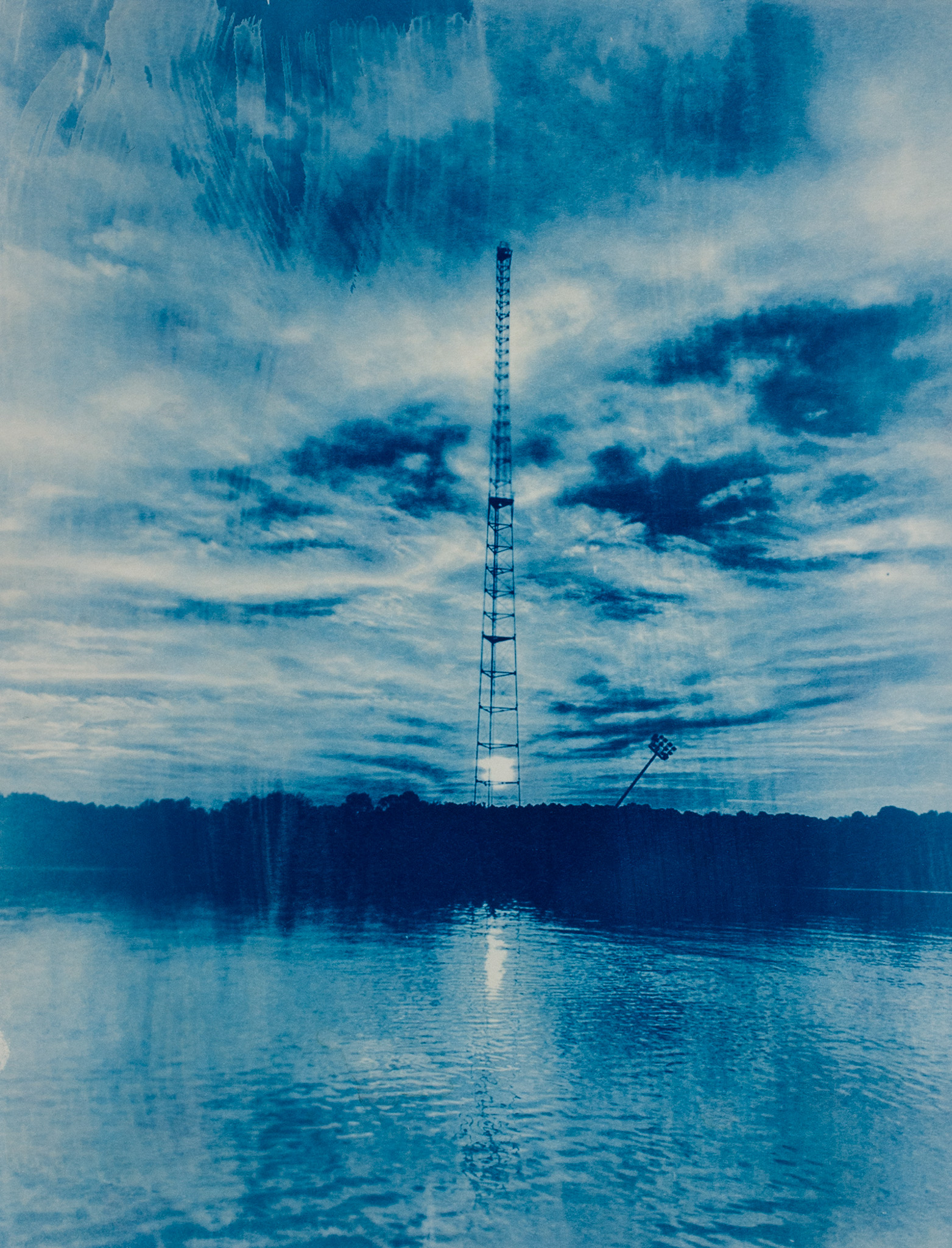
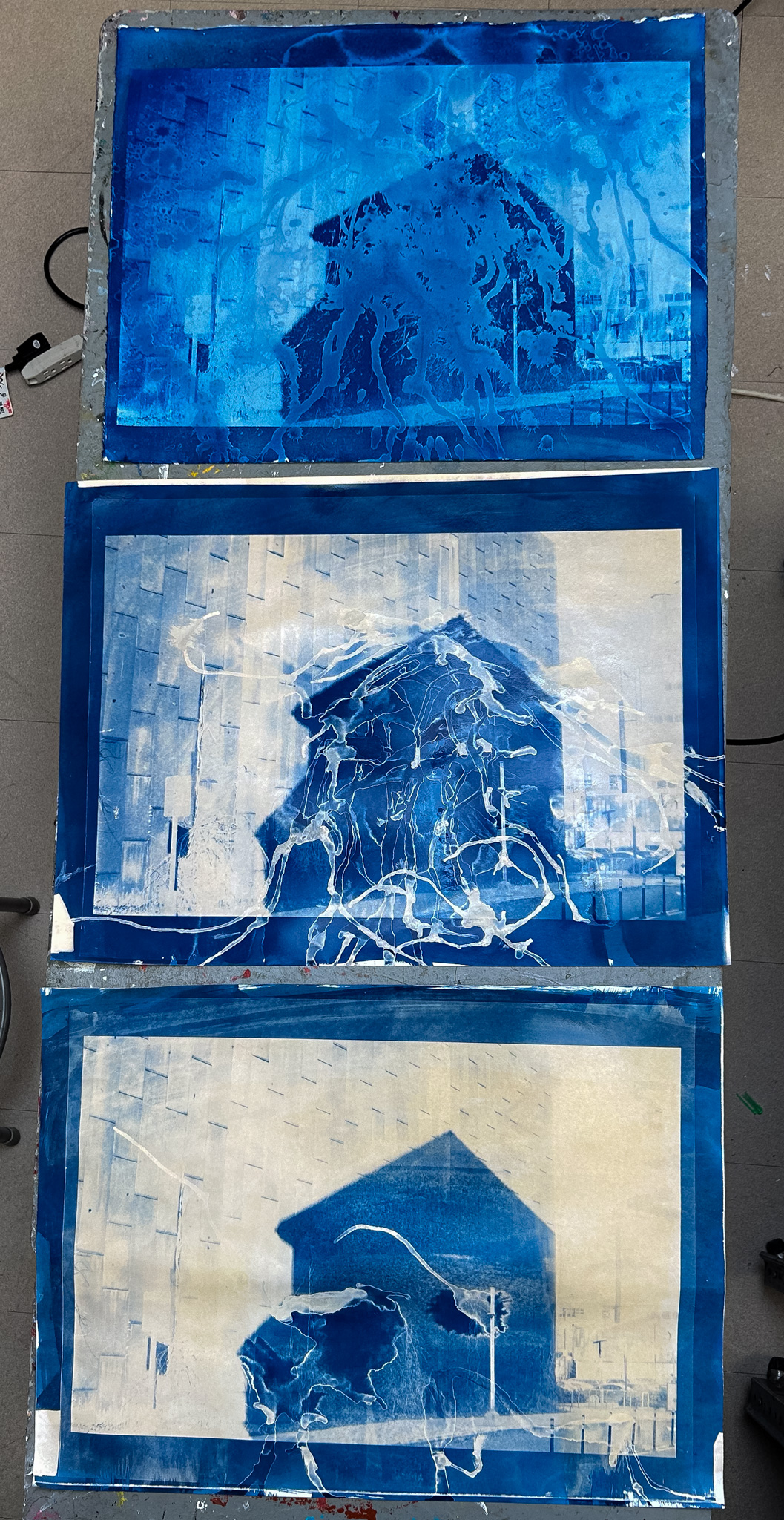
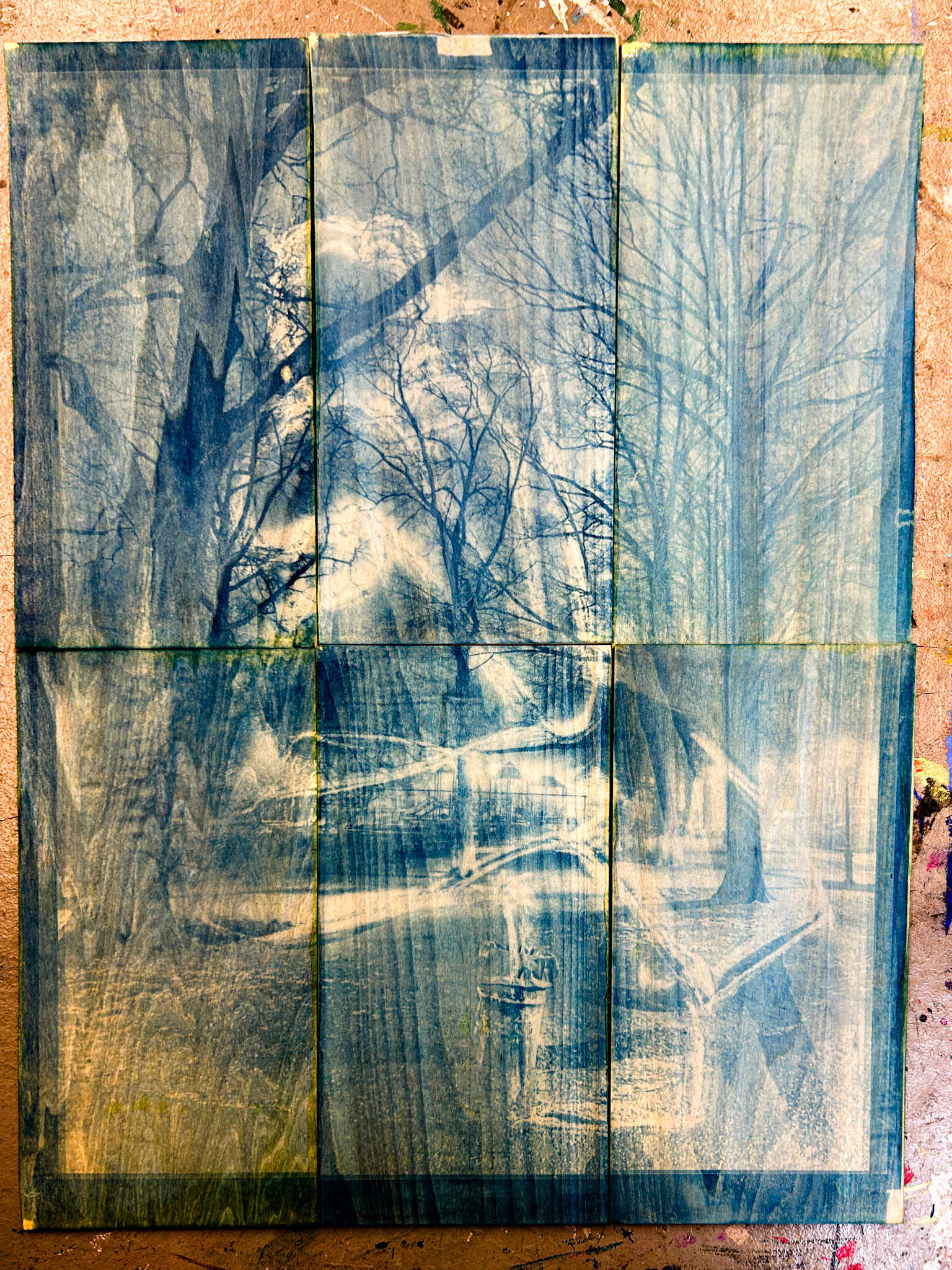
UV Prints
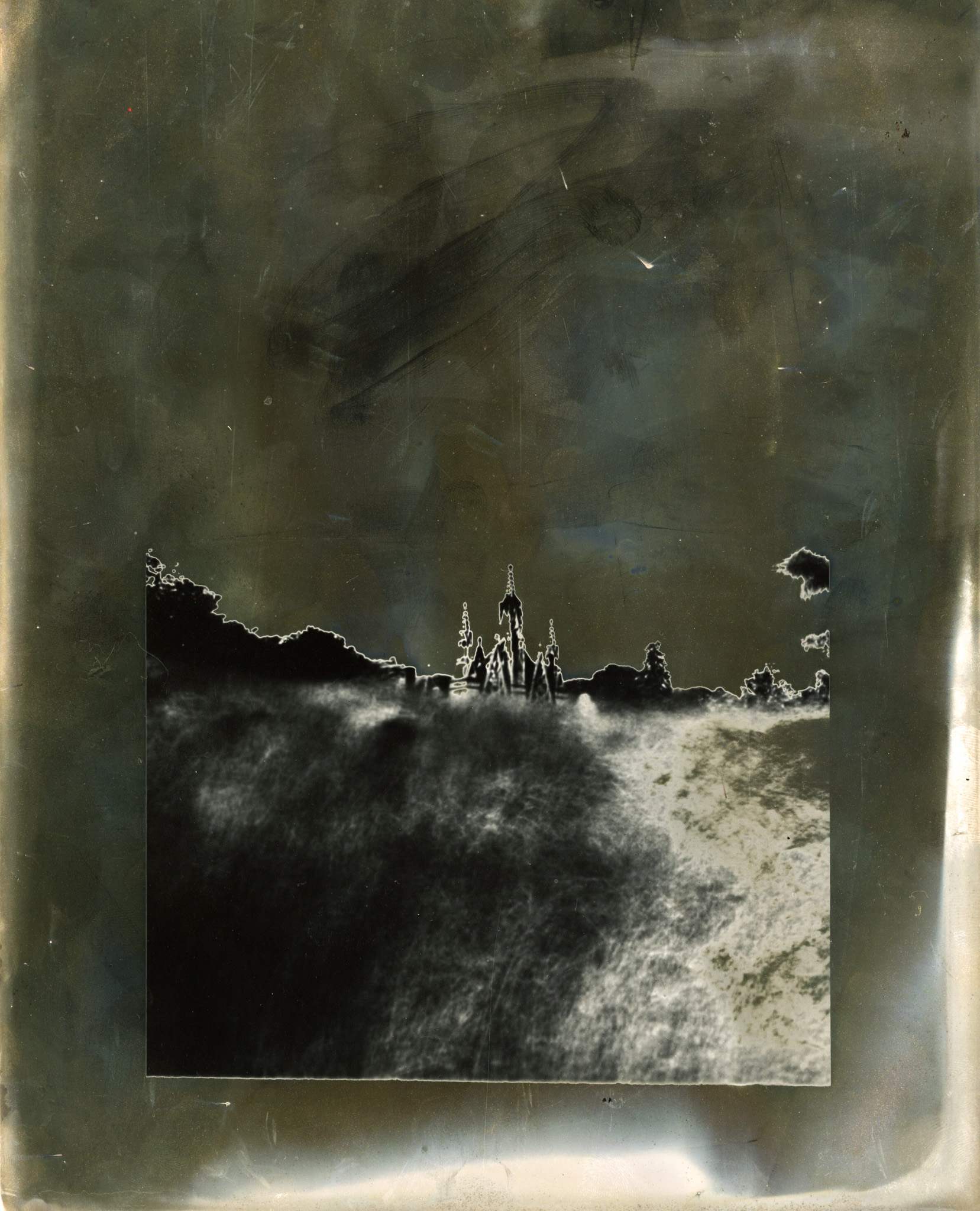
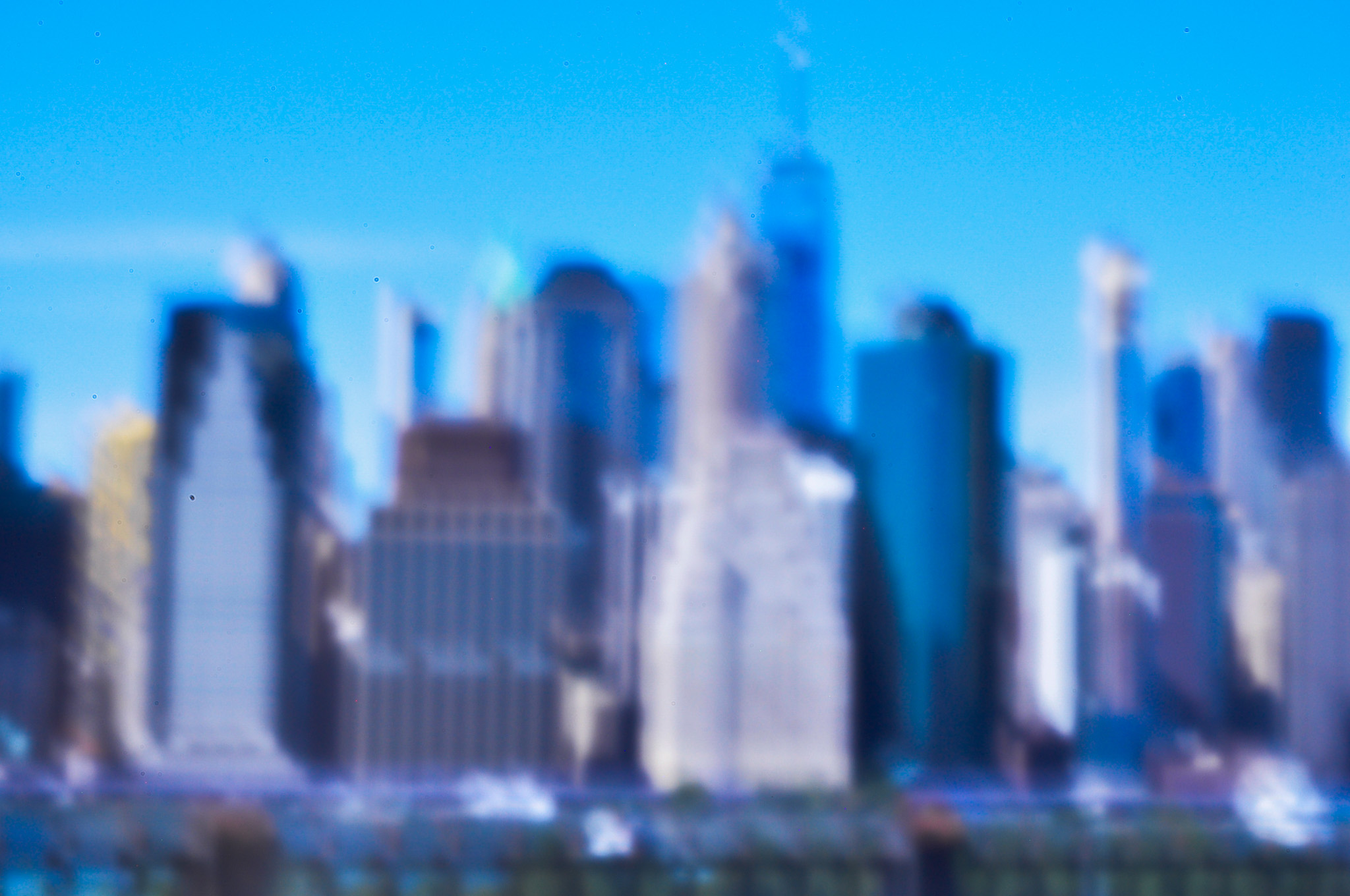
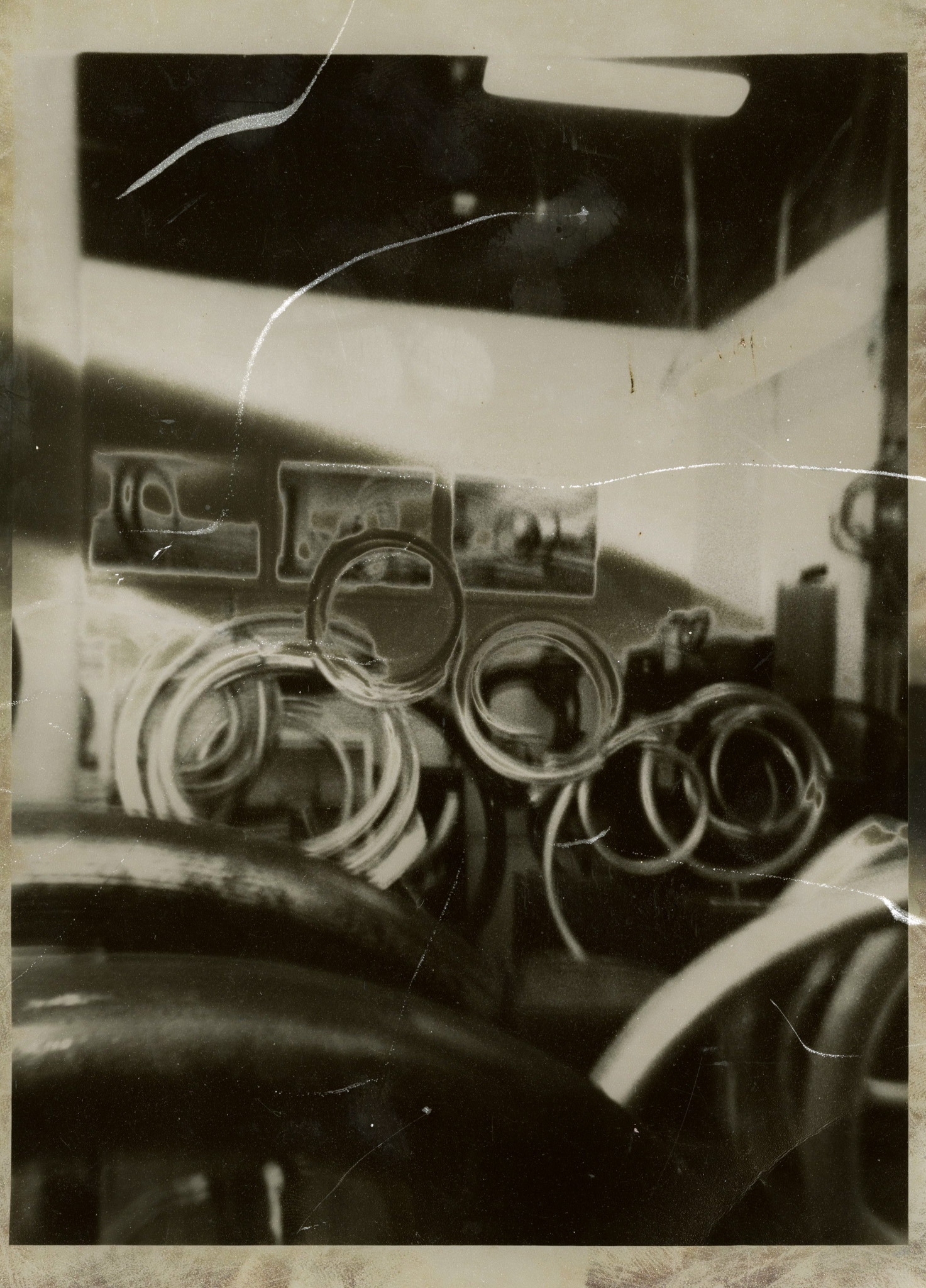
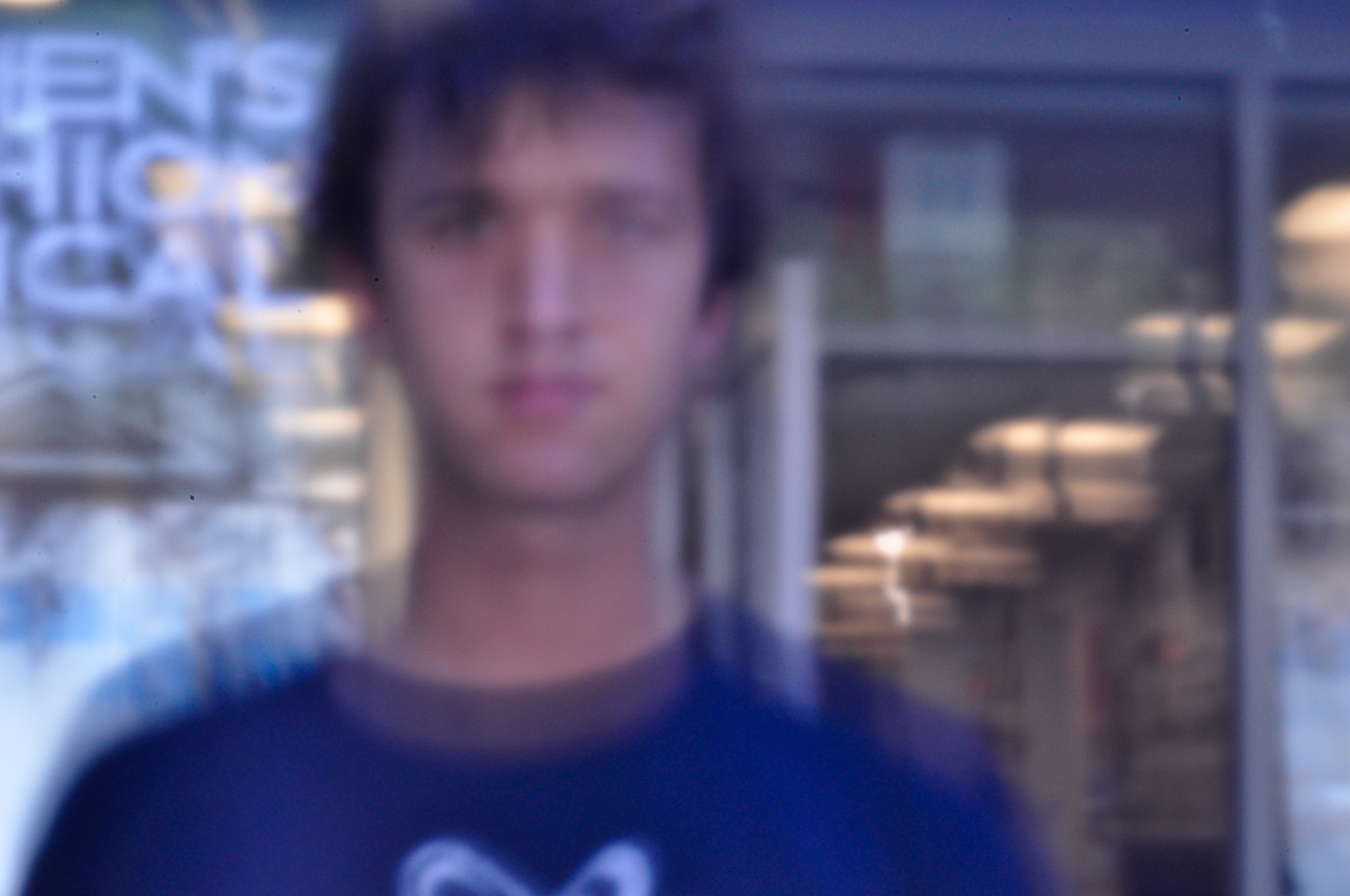
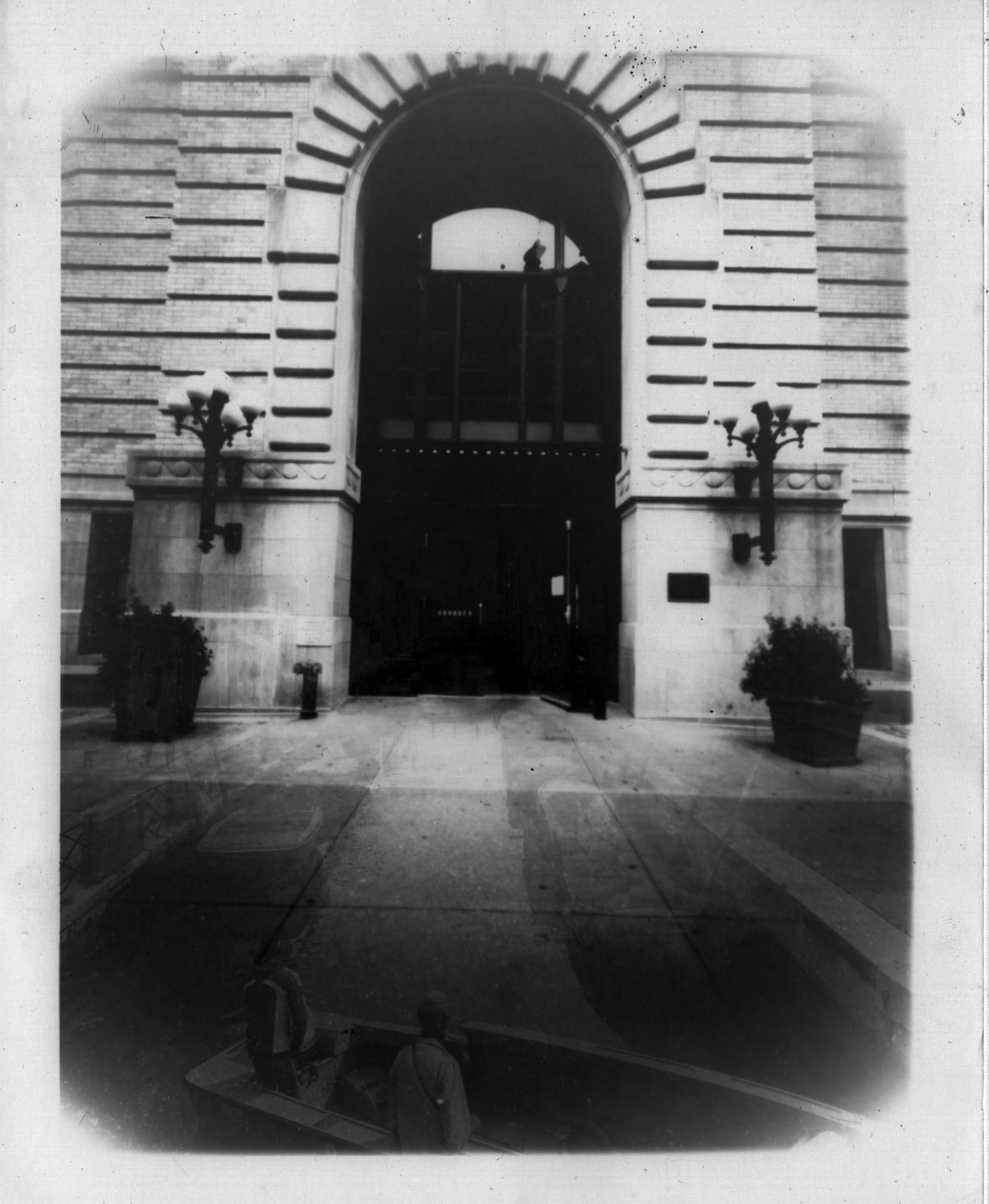
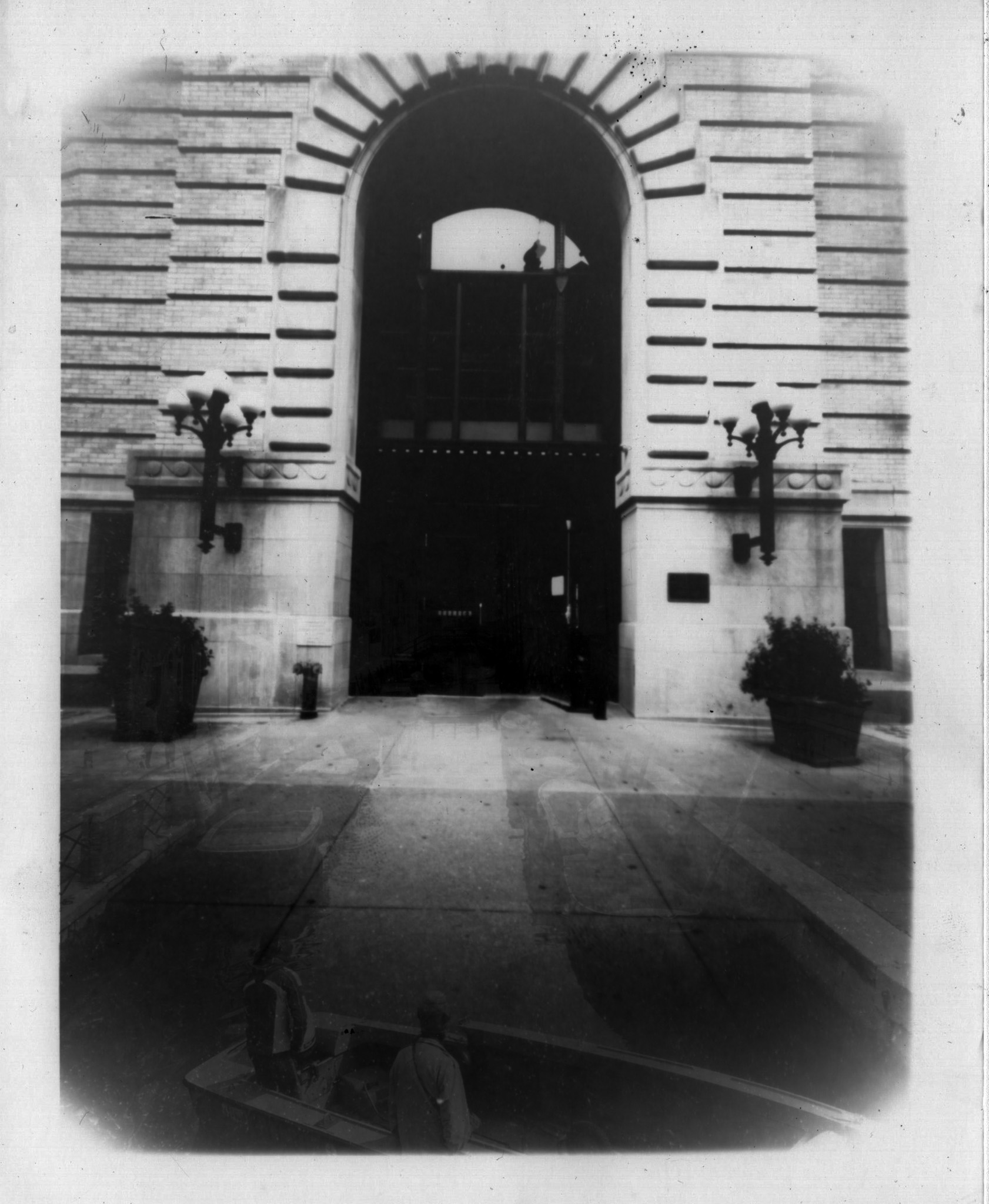
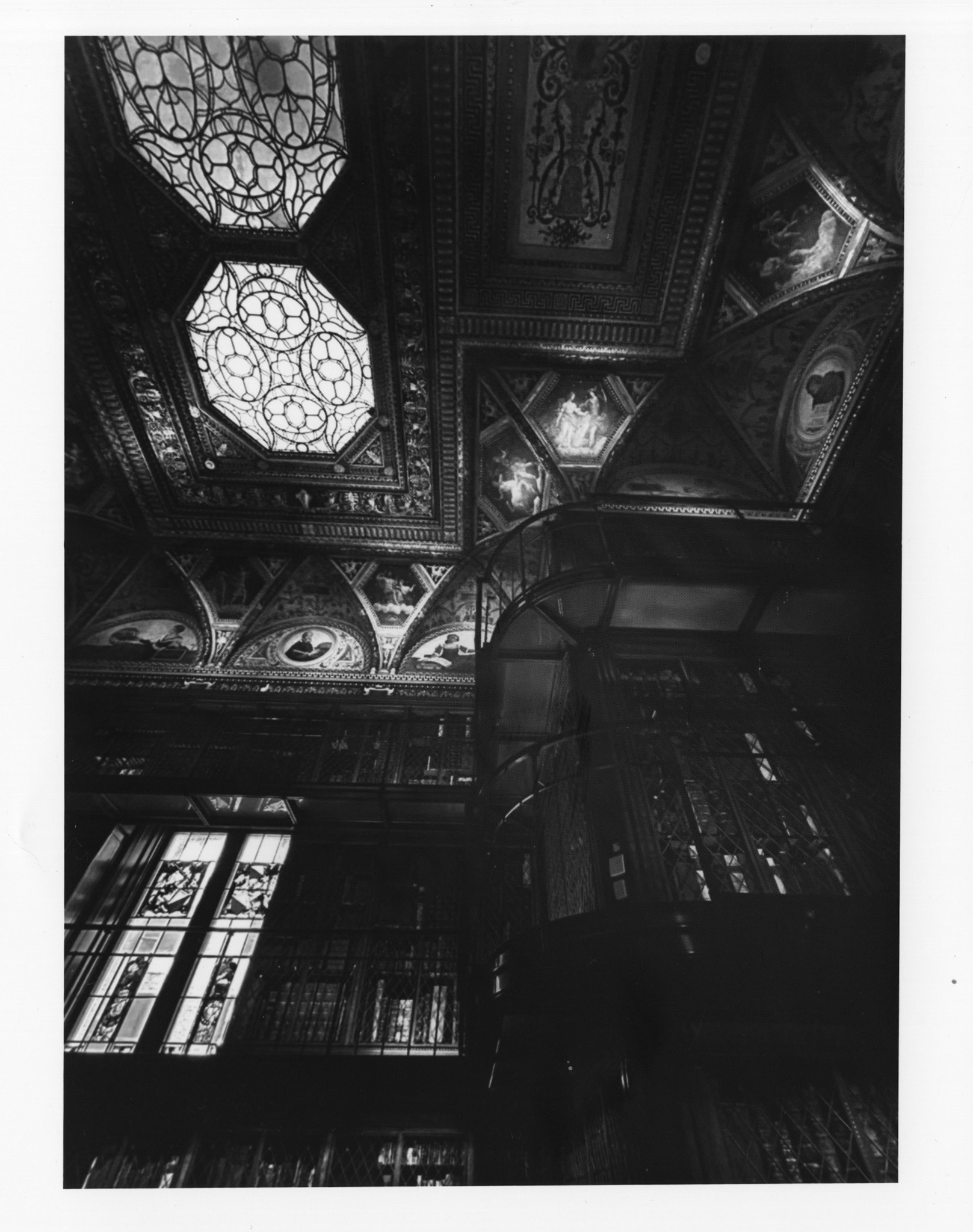
Pinhole & Silvering
UV Prints
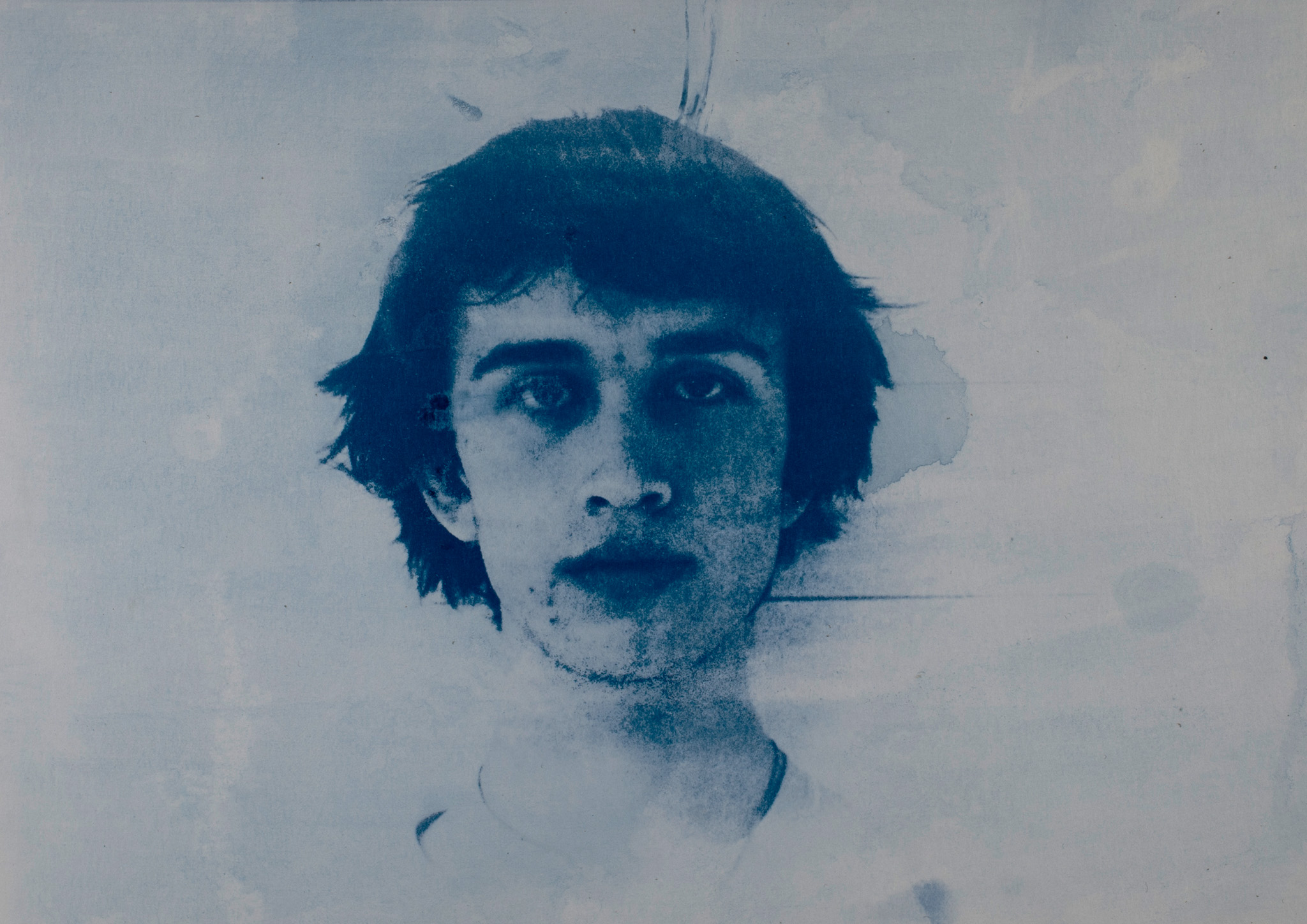
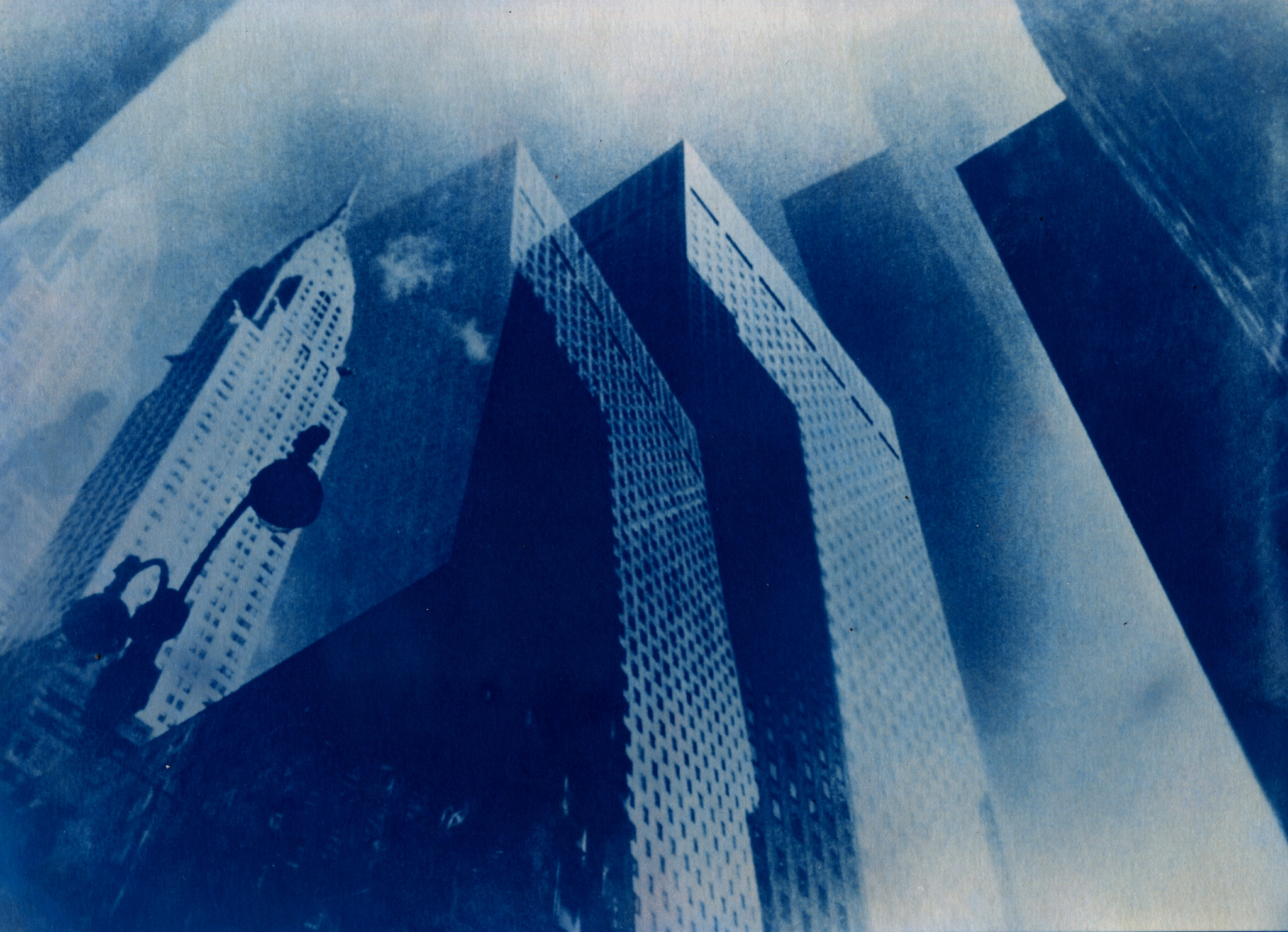
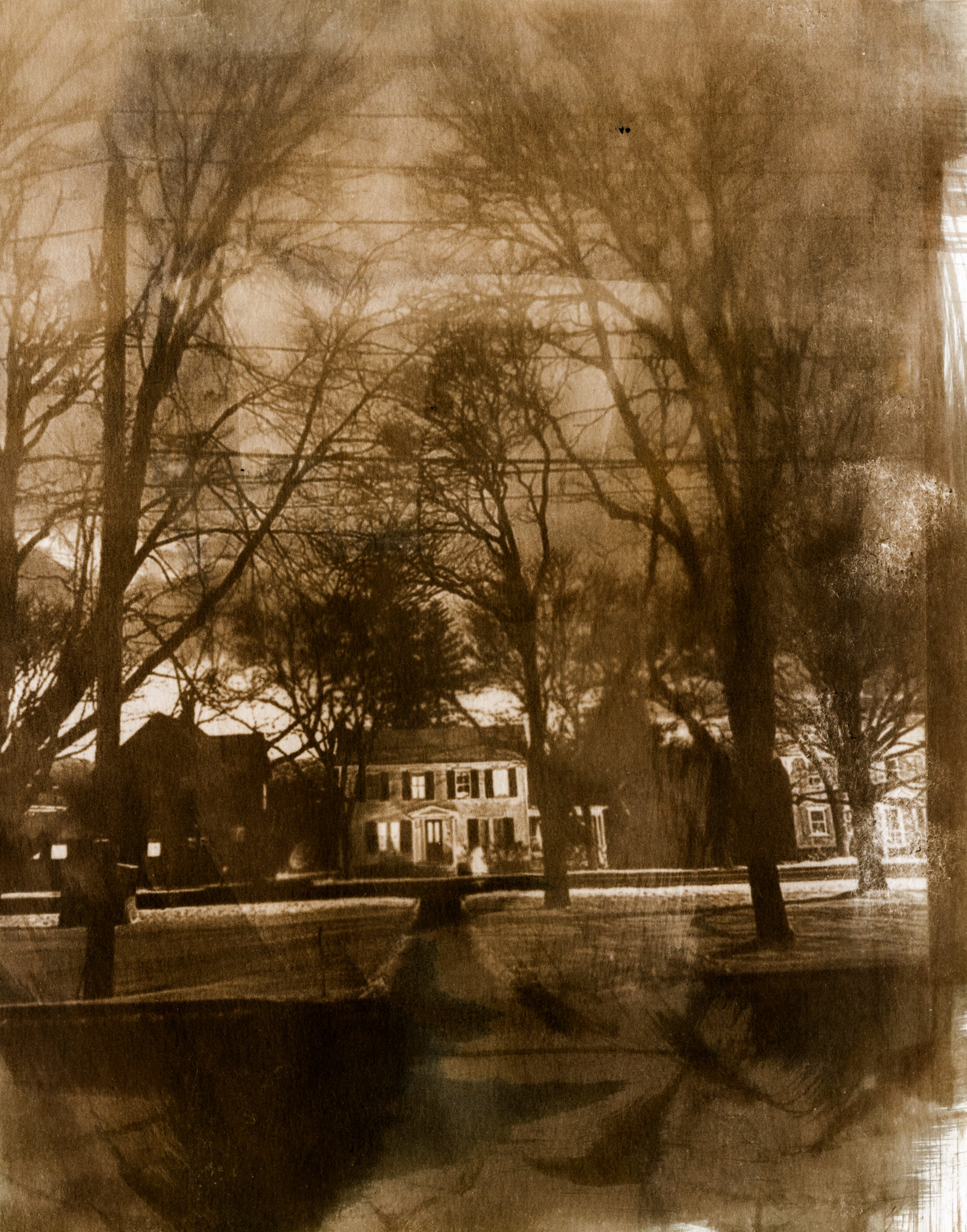
Pinhole & Silvering
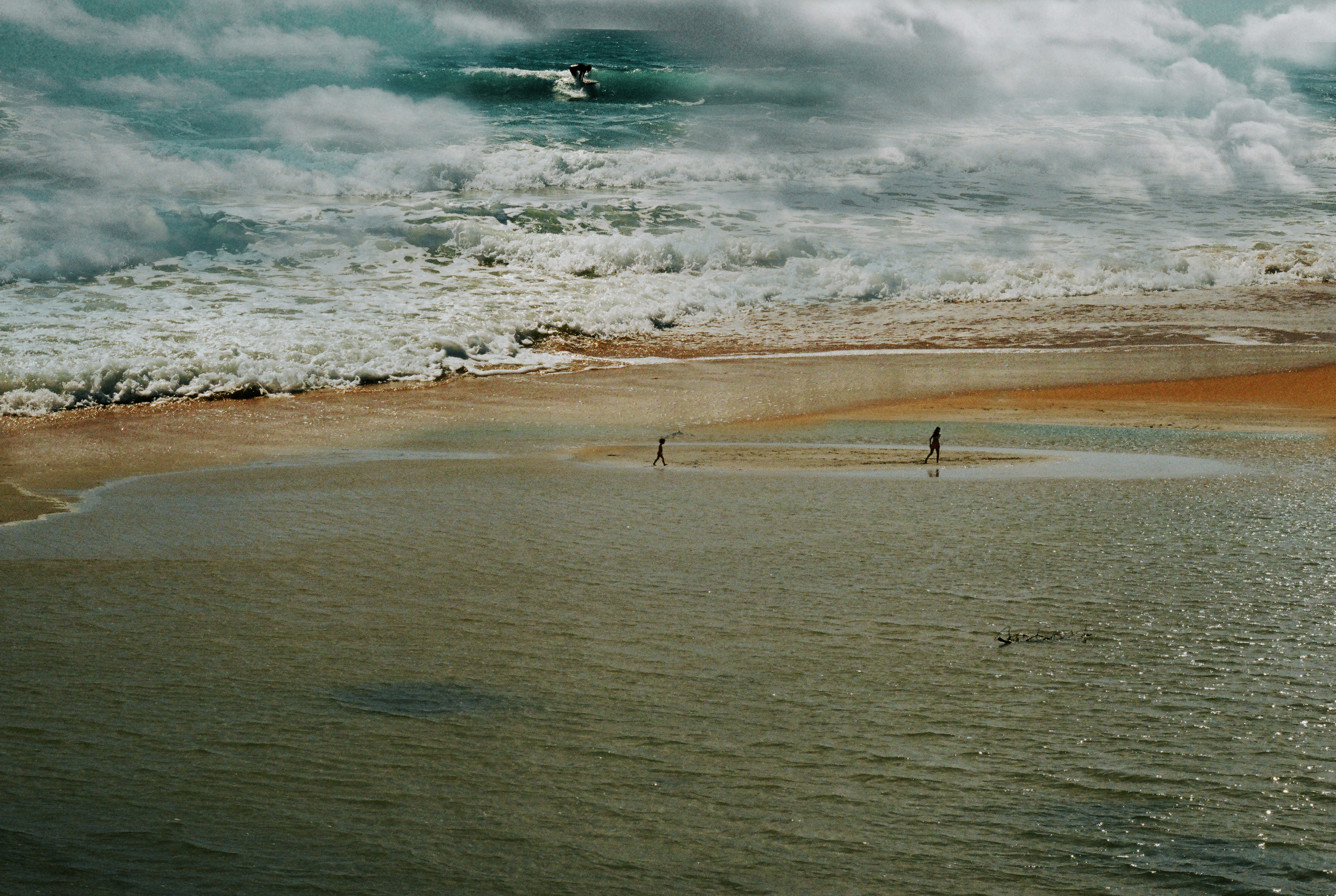
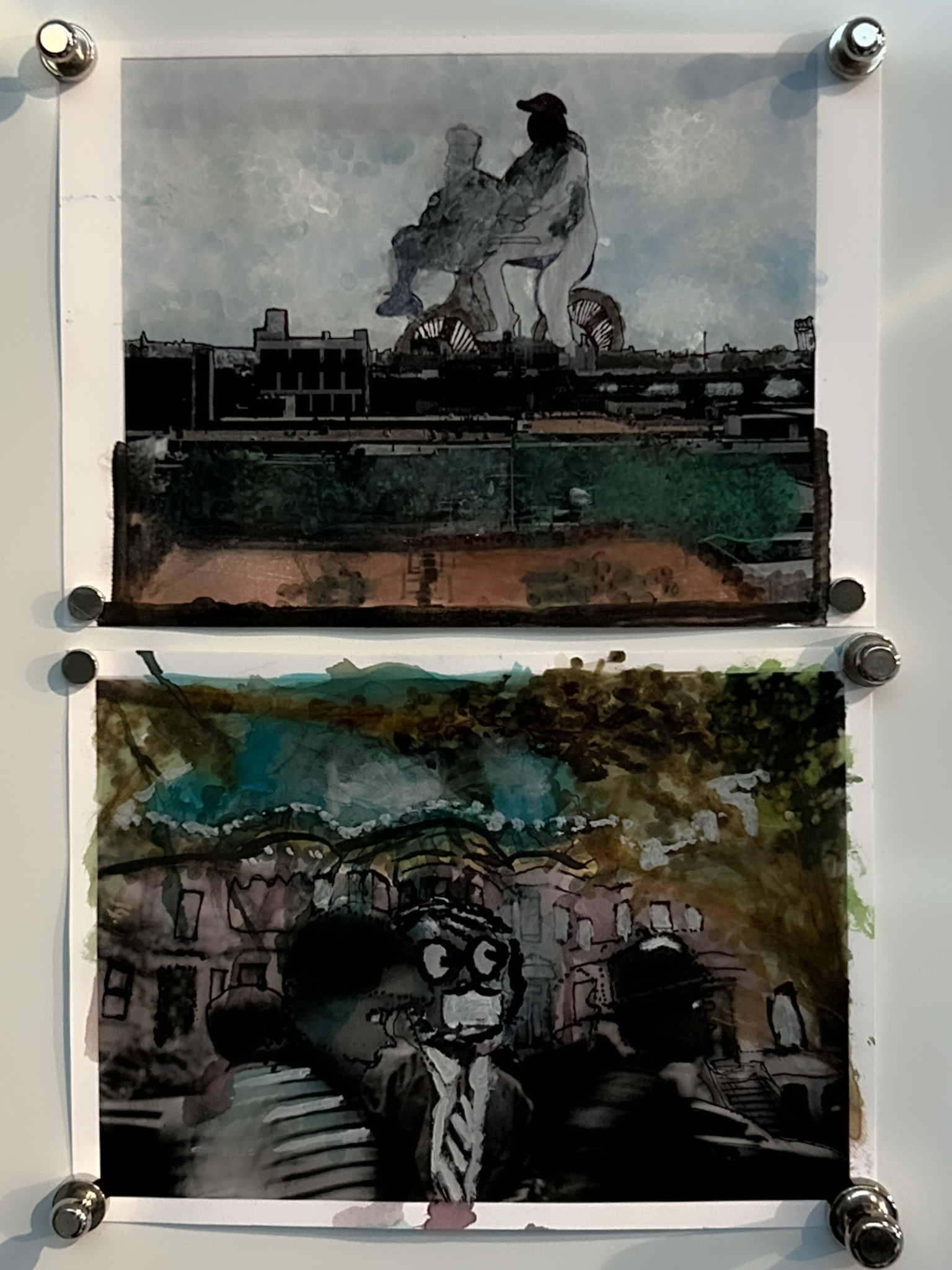
Writing and thoughts behind the work
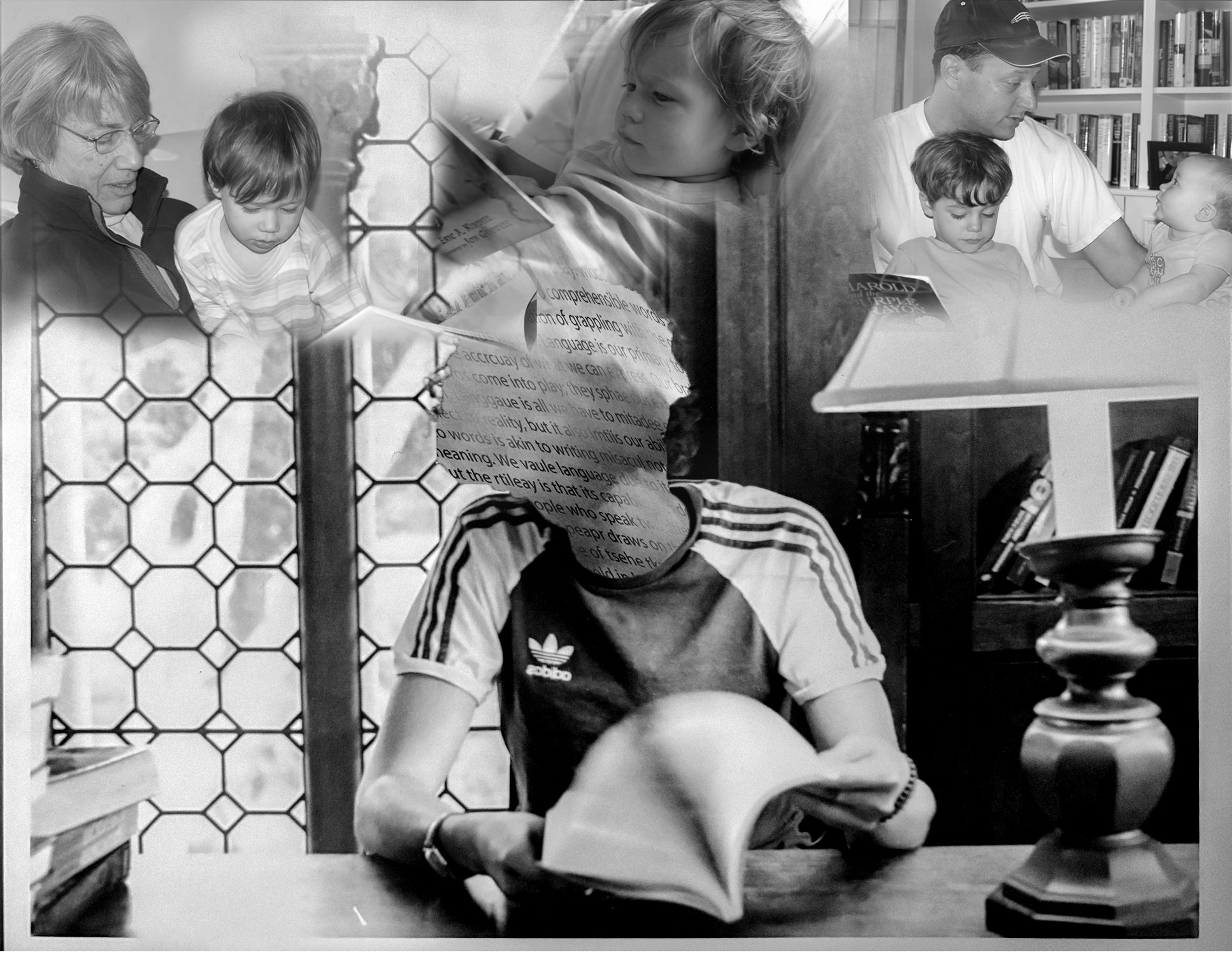
"I can't put into words what I'm trying to say." Most of us have said this and felt the frustration of struggling to put our thoughts into comprehensible words at least once in our lives. This phrase most accurately captures the frustration of grappling with the gap between a clear thought existing in our minds and the words we use.
Language is our primary tool for connecting our minds to the world, but it also limits the accuracy of what we can express. Our brains, bodies, and perception are present long before words come into play; they shape our experiences in ways that can't always be reproduced verbally. Language is all we have to mediate our brains and the world around us; it's what we use to connect to reality, but it also limits our ability to be accurately understood. Translating complex thoughts into words is akin to writing musical notes as a paragraph in English; the tools capture different kinds of meaning. We value language for its ability to transform personal experiences into universal ones, but in reality, its capacity to do so is severely limited.
In the digital age, the pressure to make our inner lives legible, to turn every thought into something to be consumed, viable for communication, or limpid language, feels even stronger. The moment our inner lives become shareable or consumable, they become vulnerable to others' opinions and subject to change based on what viewers take from them.
It was when I first began experimental darkroom photography that I remember making my first print by manipulating multiple negatives in the enlargers - the first time I had ever successfully translated an image from my imagination into something tangible. There was a sense of relief, because what I had never believed possible, bringing something from my imagination to life, suddenly became feasible. Before this experience, I was content knowing that everything that goes on in my mind, images, thoughts, ideas, opinions, did not need to be proved essential or interesting to anybody, mainly because it couldn't be. However, once it became possible for me to translate at least some of what transpired in my brain, the significance of my work, and coincidentally my imagination, was suddenly placed in the hands of the viewer.
So is the key to a life of expression forming a path that aligns with how you think, or is it the ability to live contentedly and confidently in the significance of our imaginations without needing them to be consumable?
I want any viewer of my work to be reminded that inner experience will always be richer, stranger, and more personal than anything to be consumed.
Contact: noradmahler@gmail.com
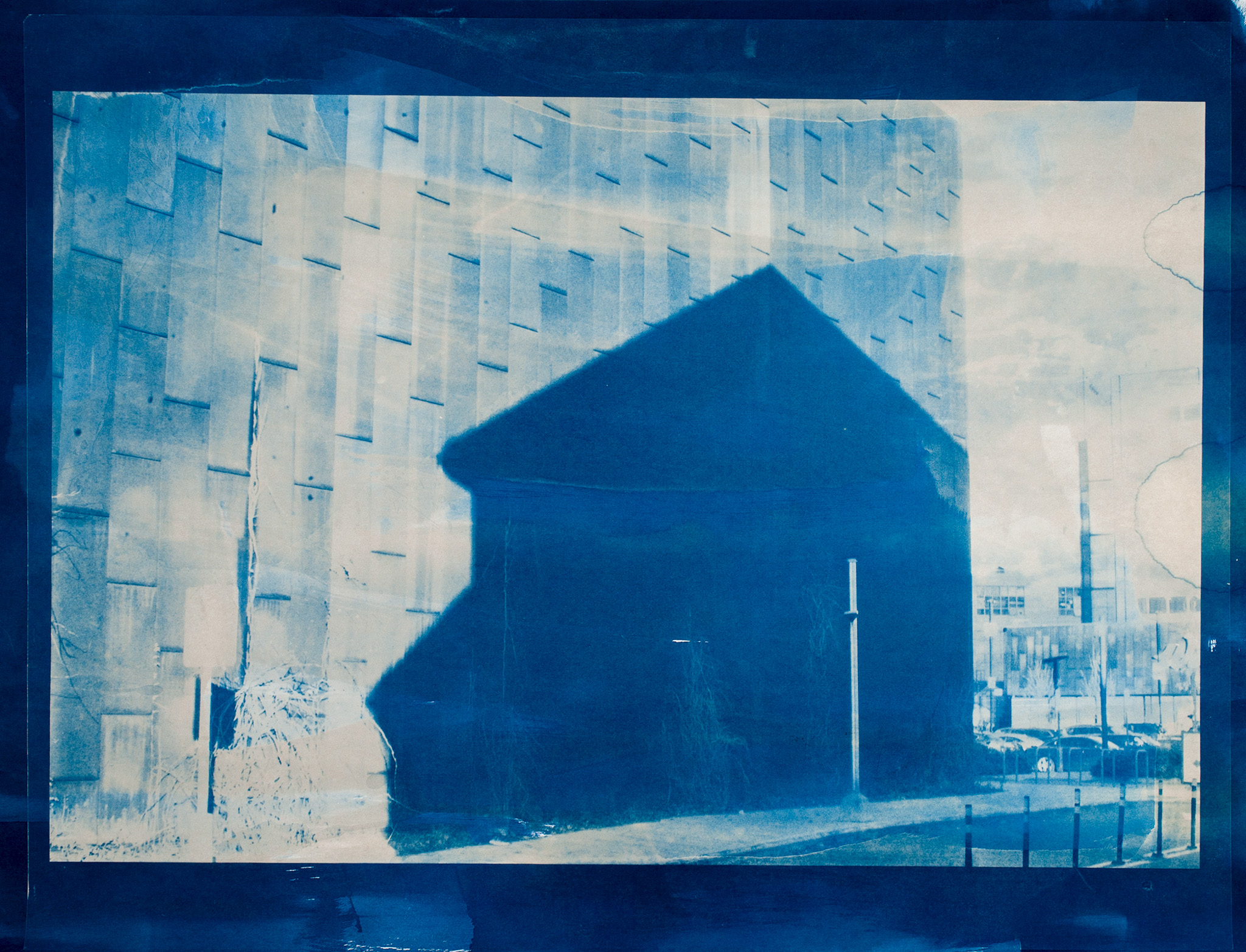
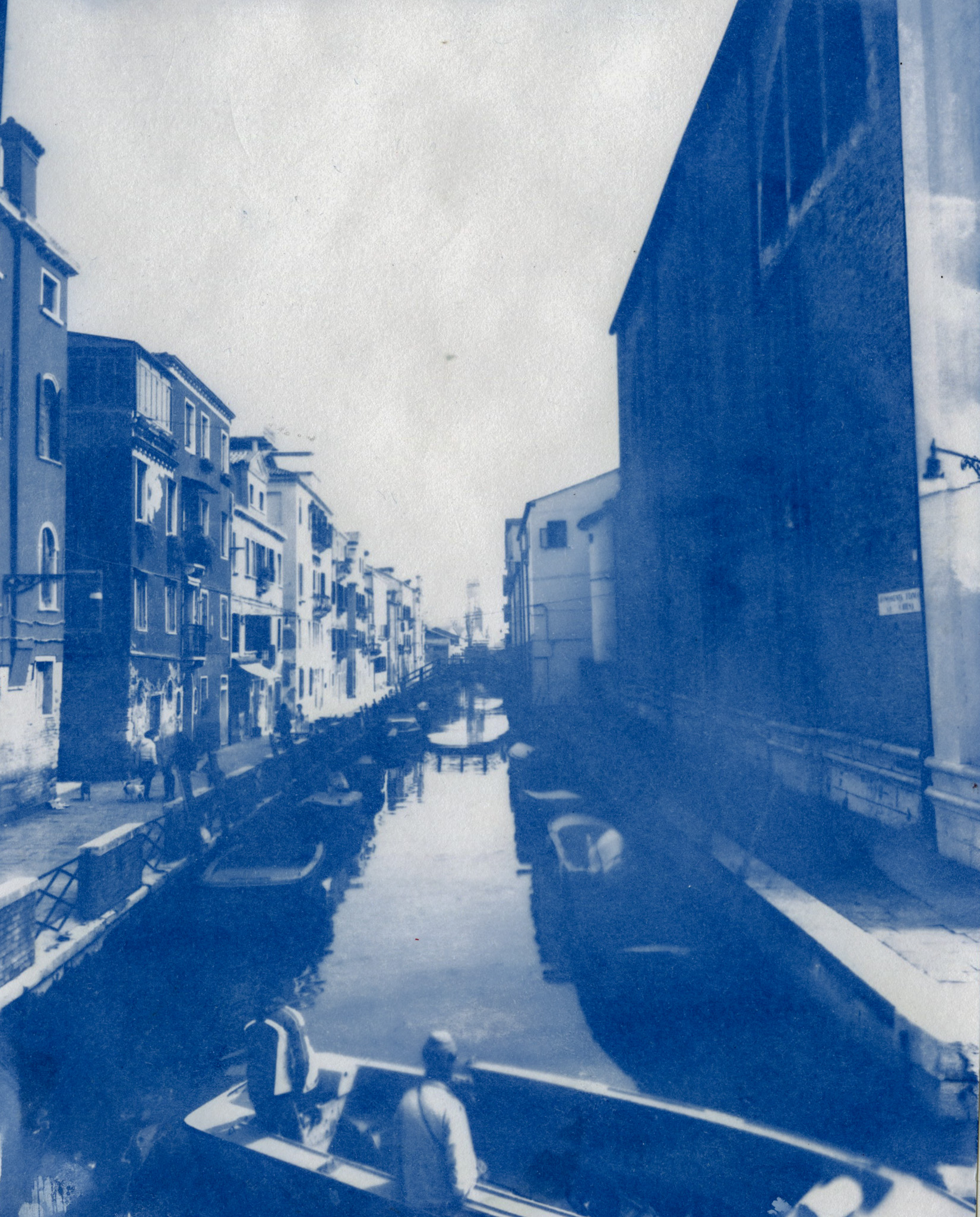
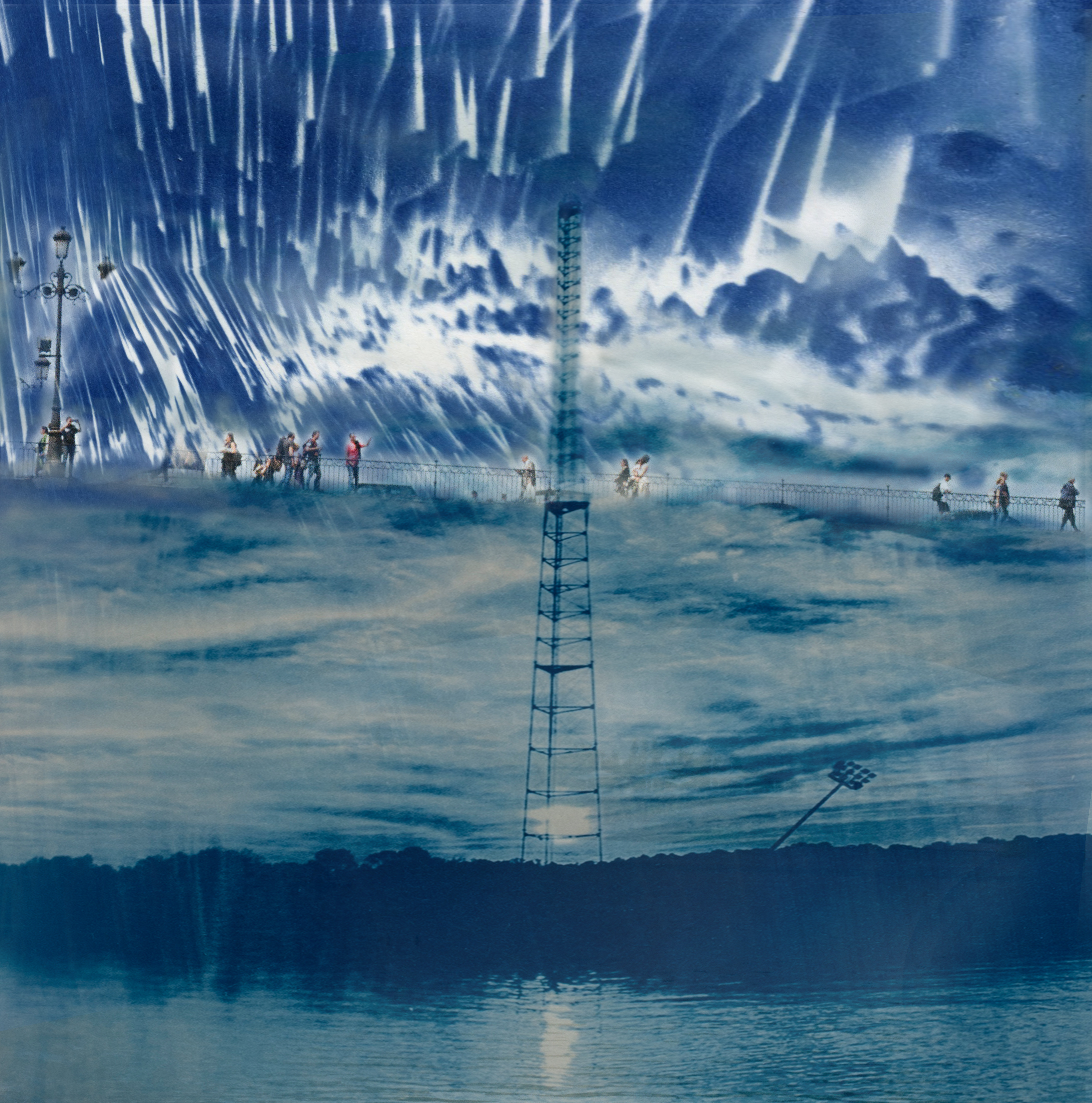
Van Dyke Brown, Cyanotype, and Pinhole Cameras
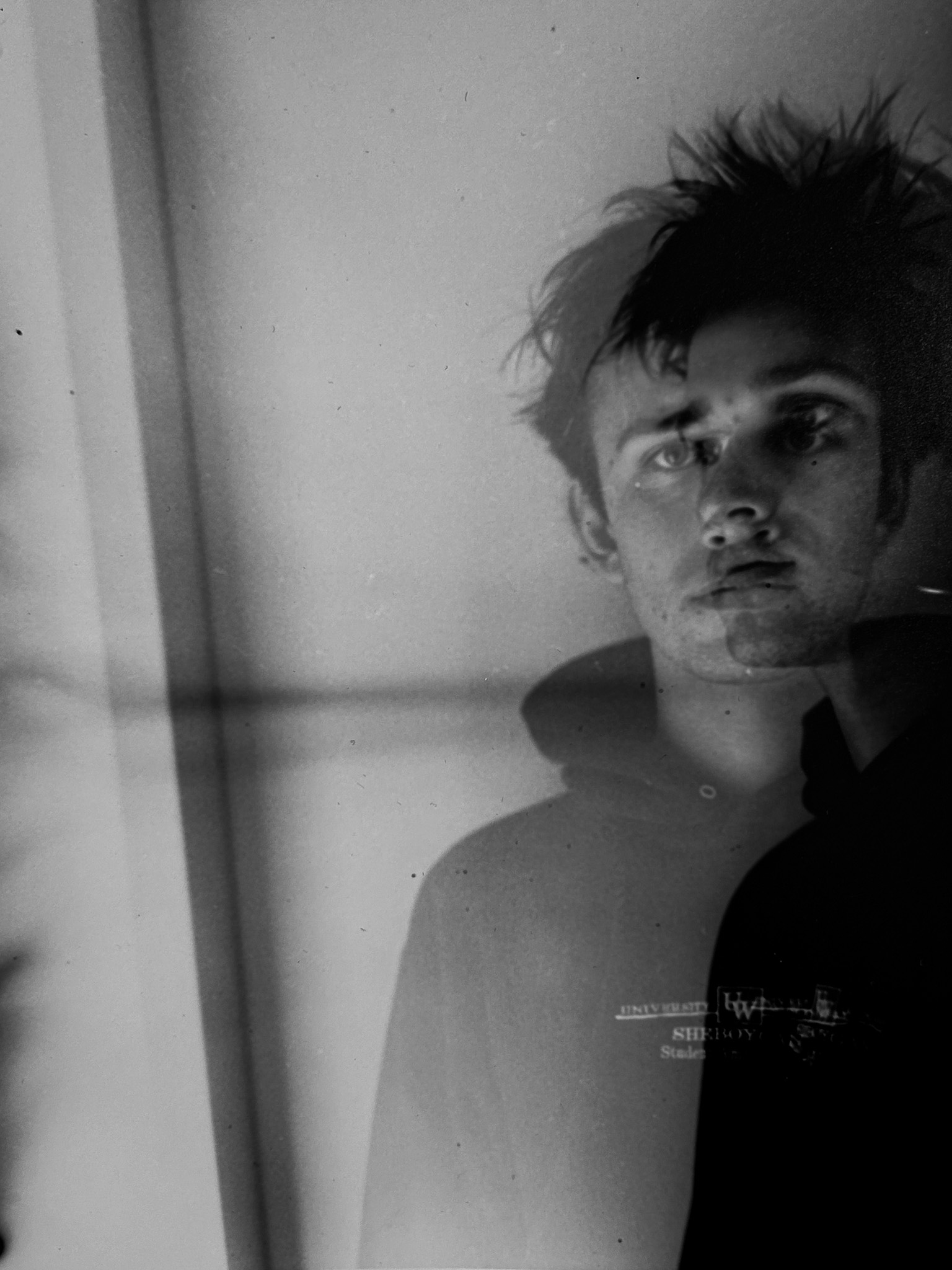
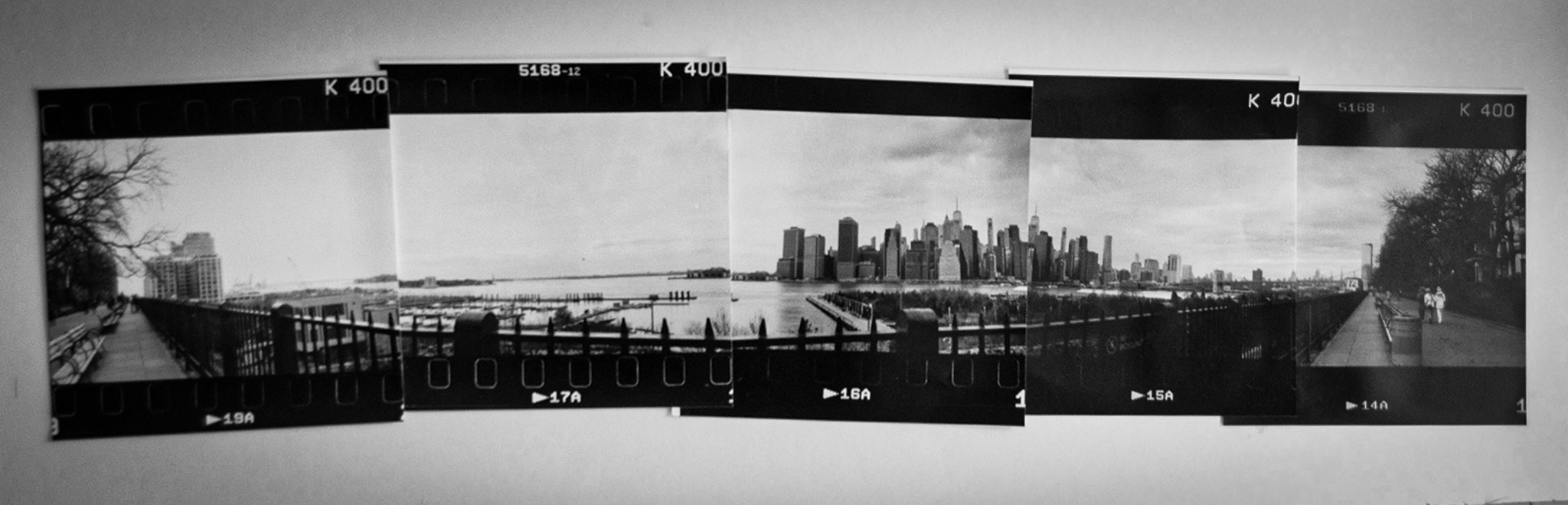
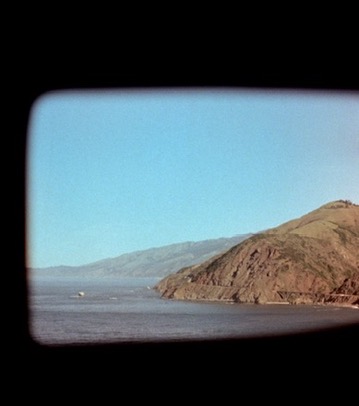
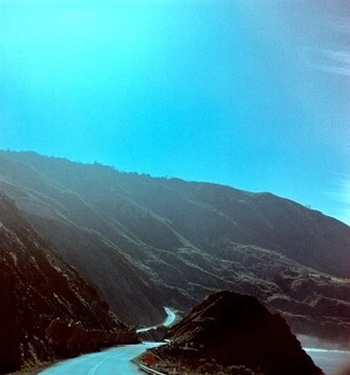
35mm
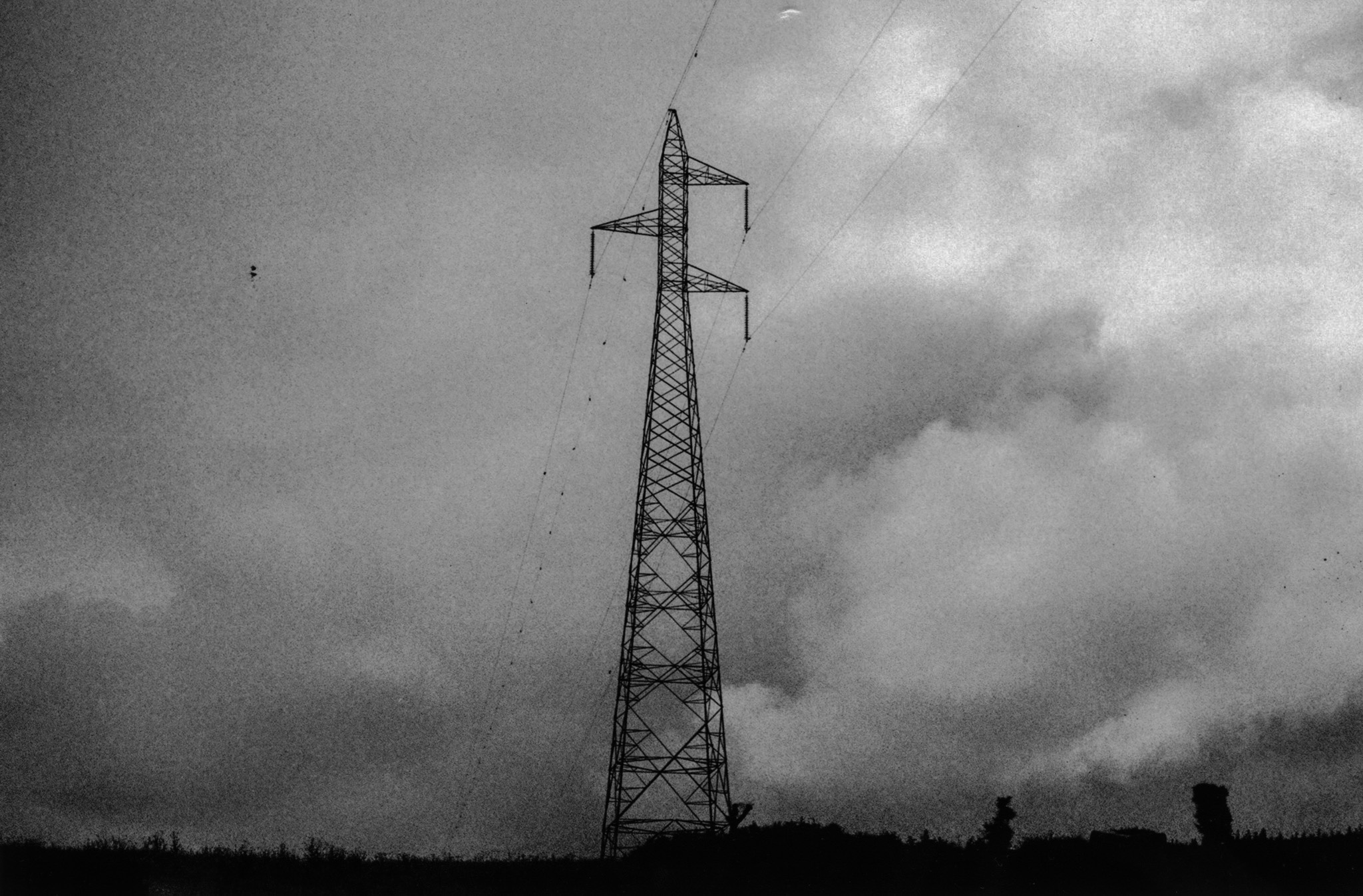
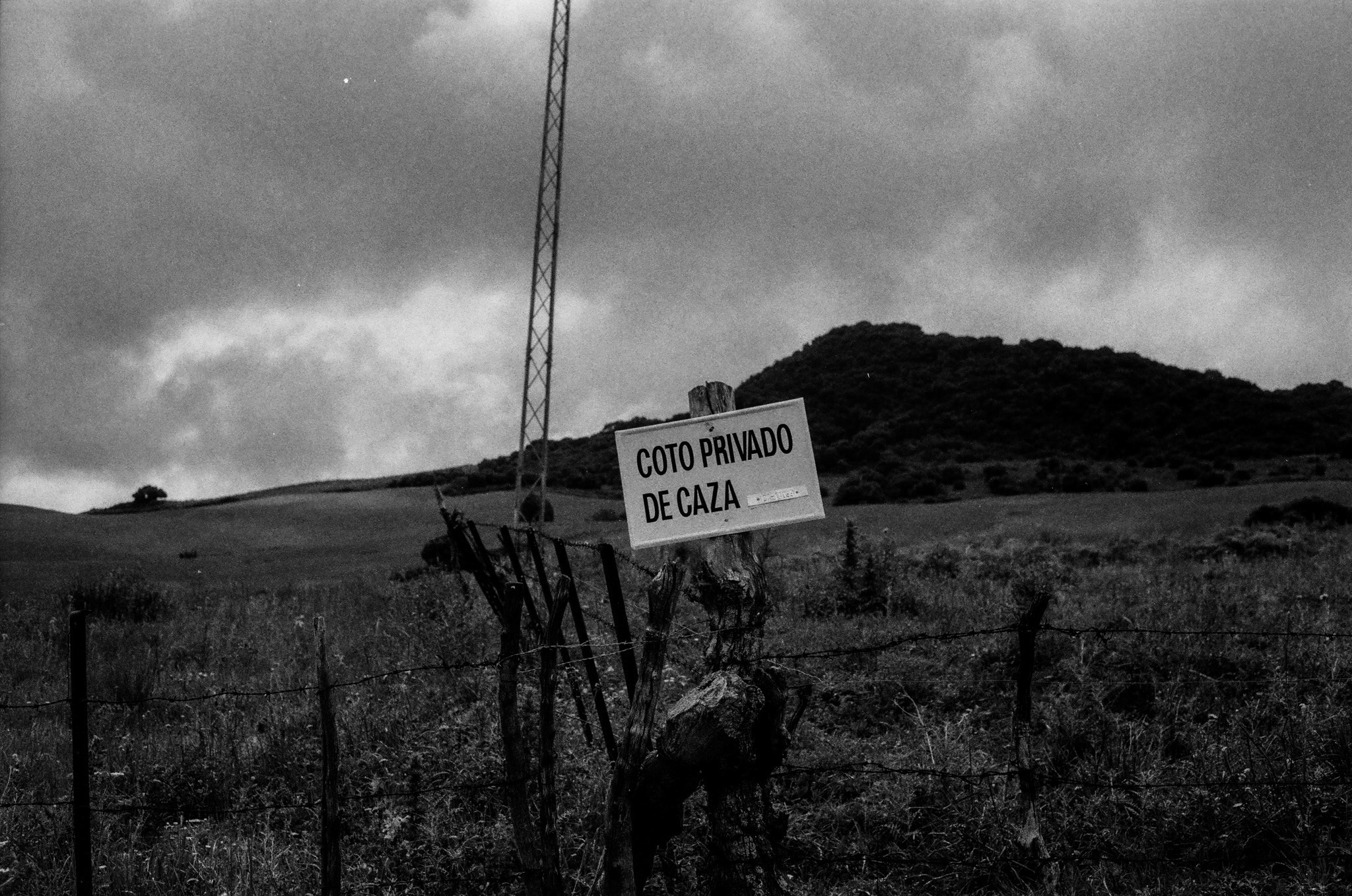
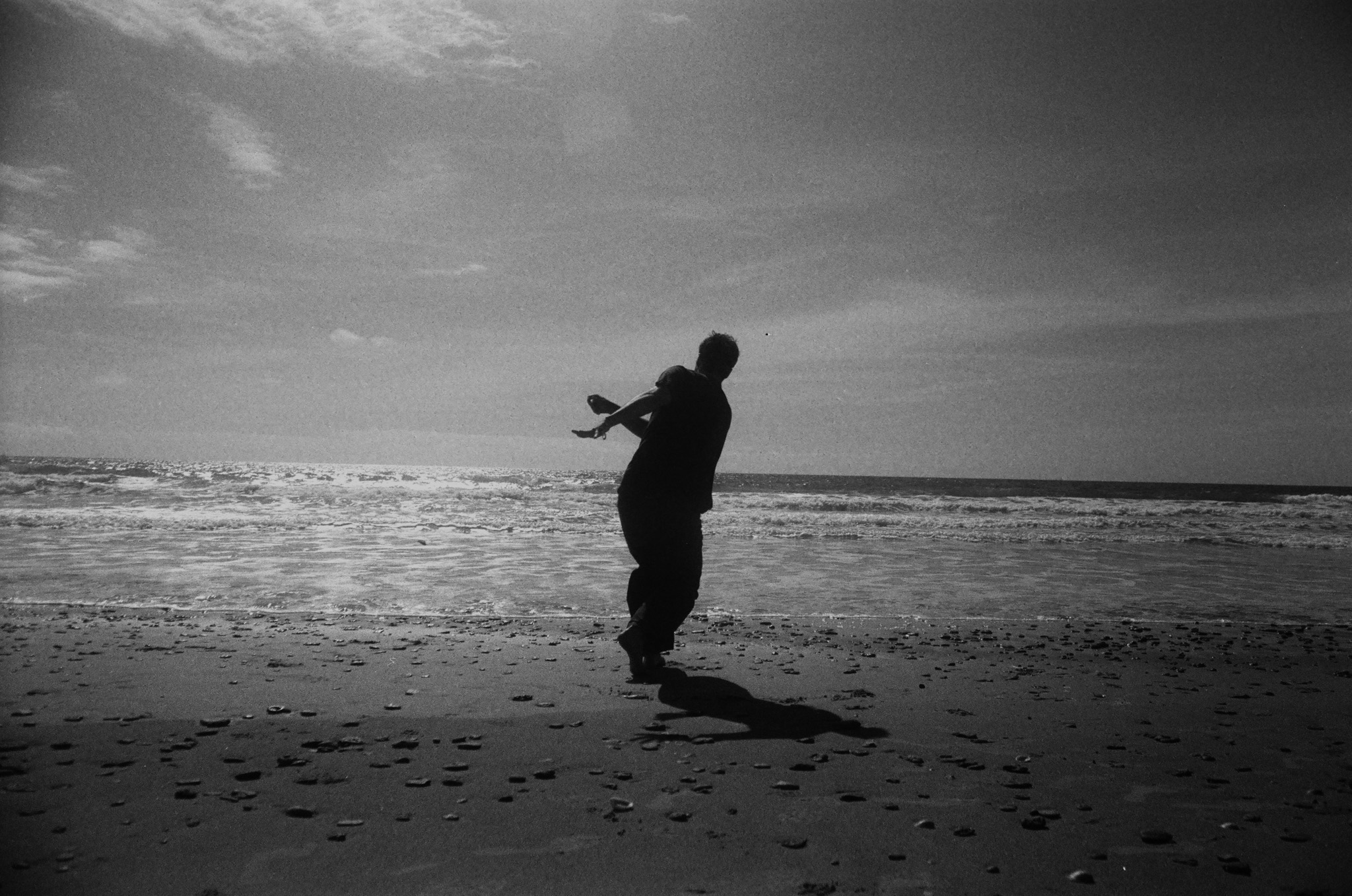
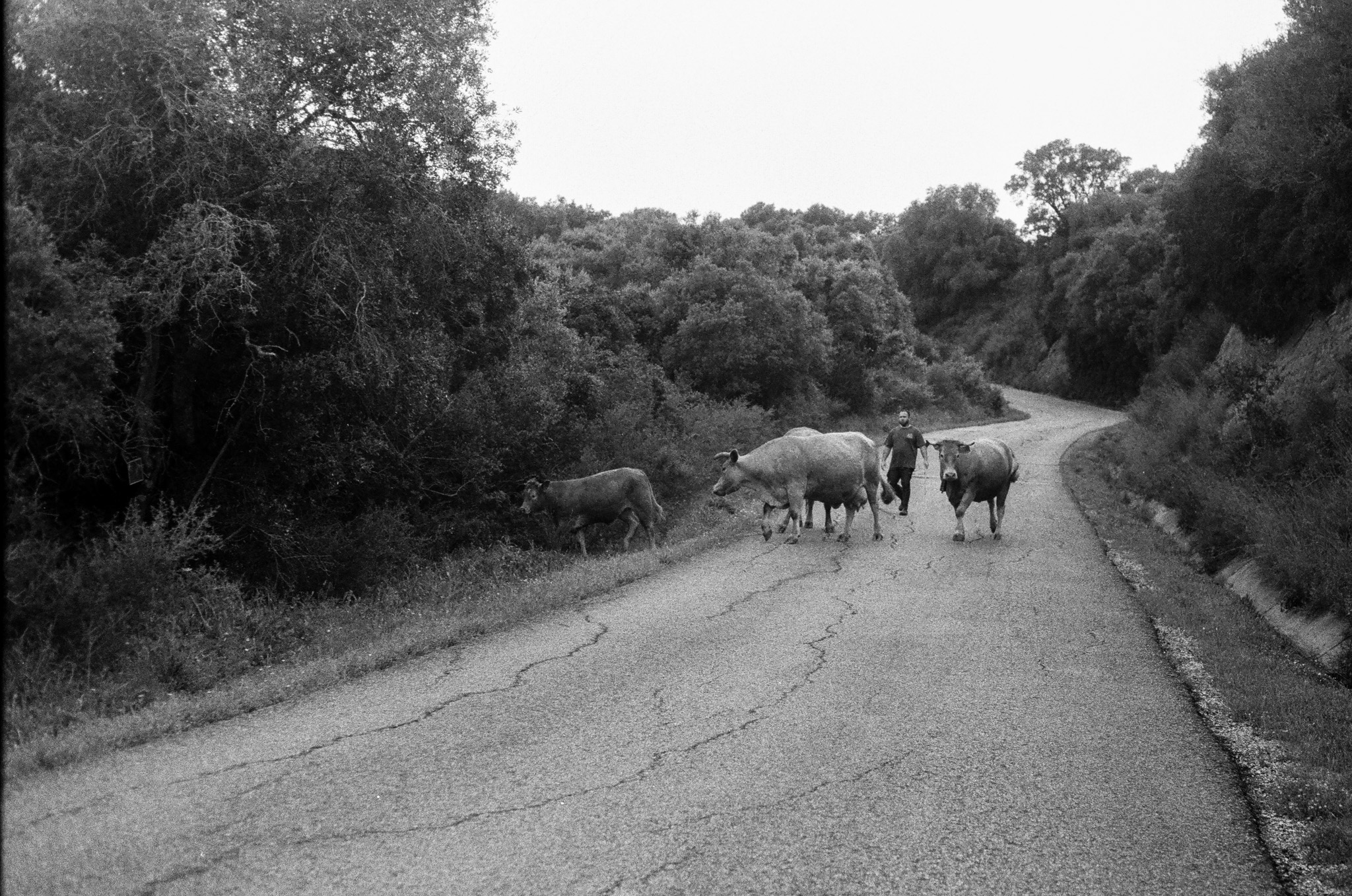
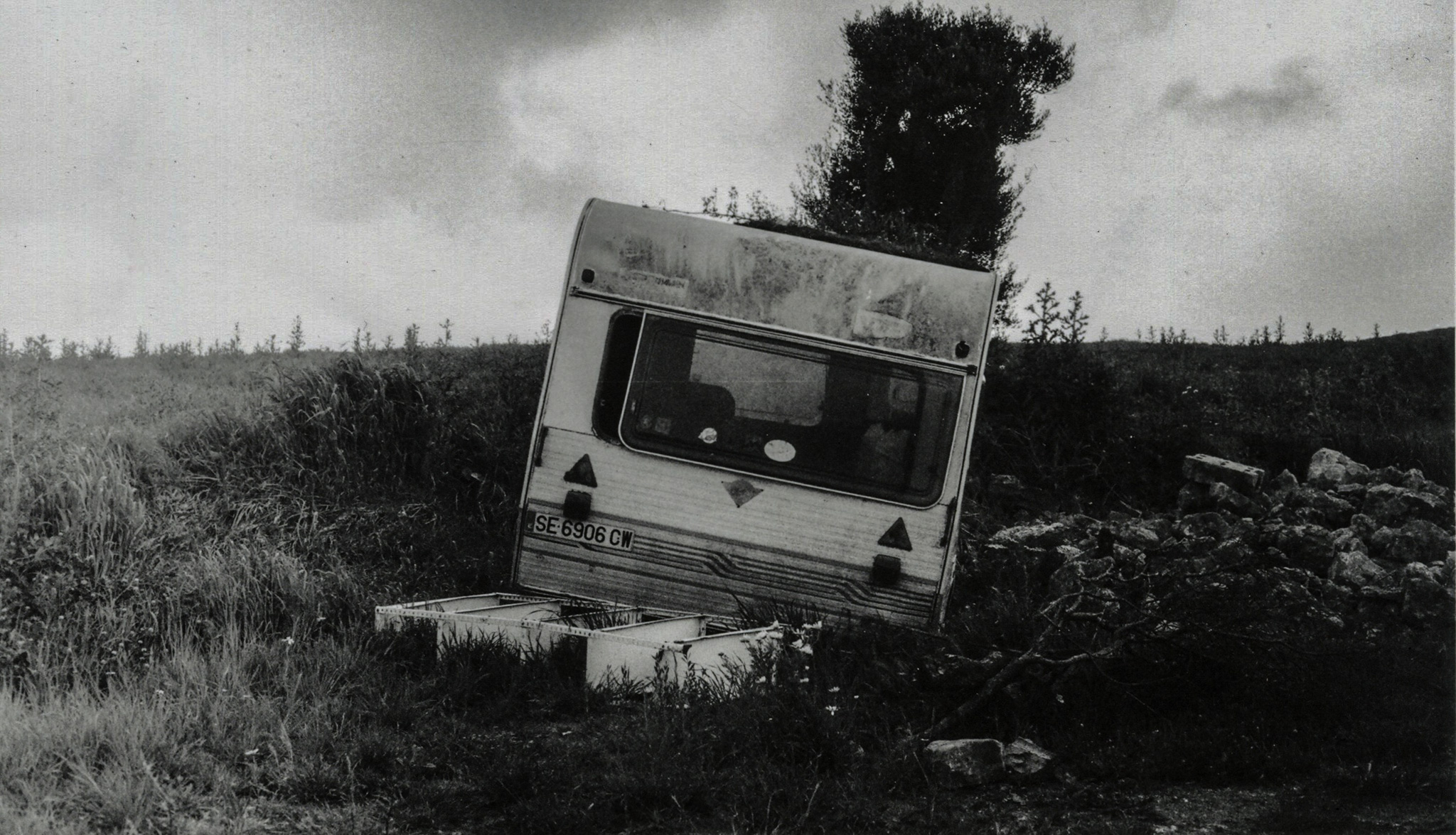
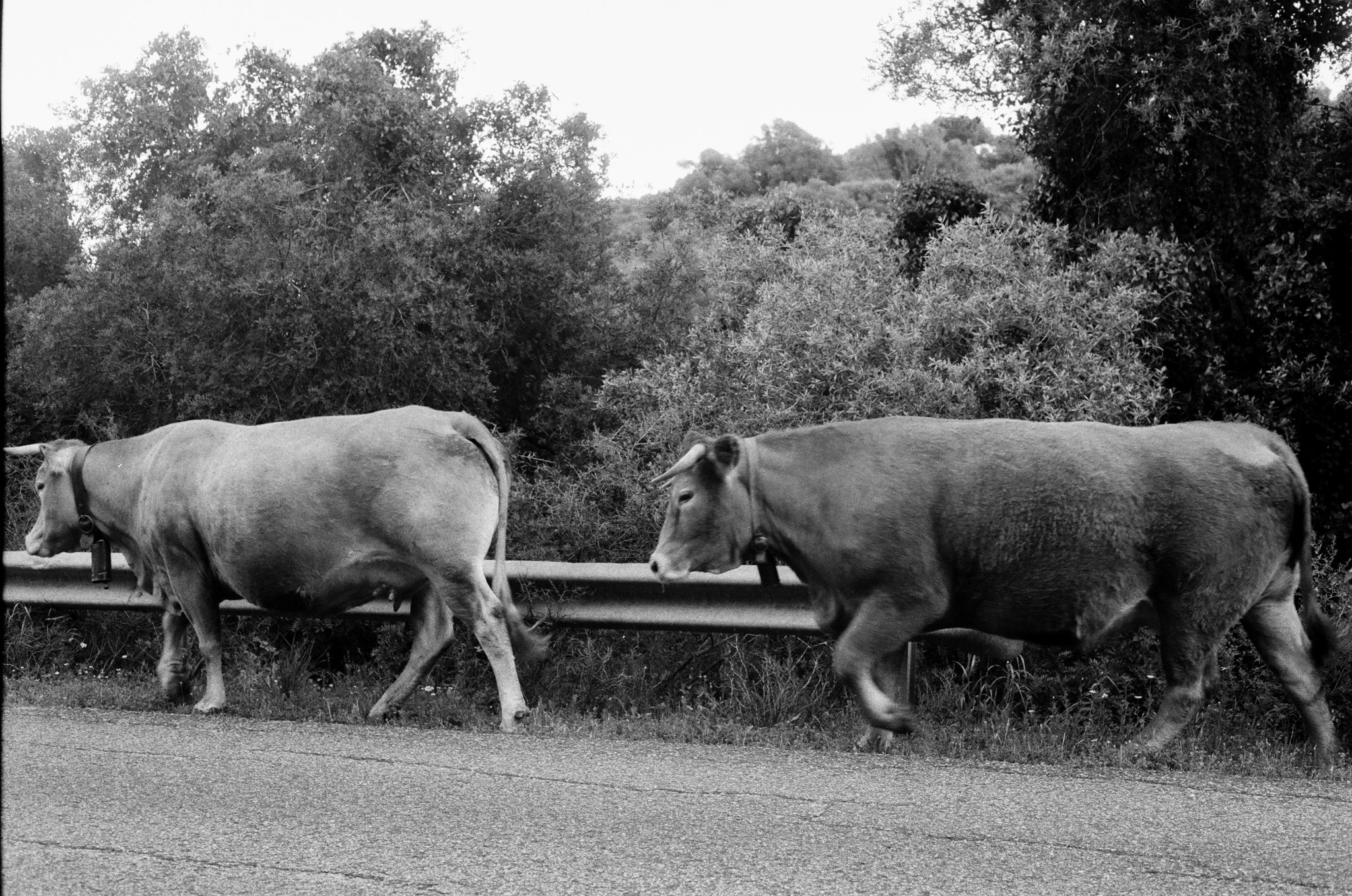
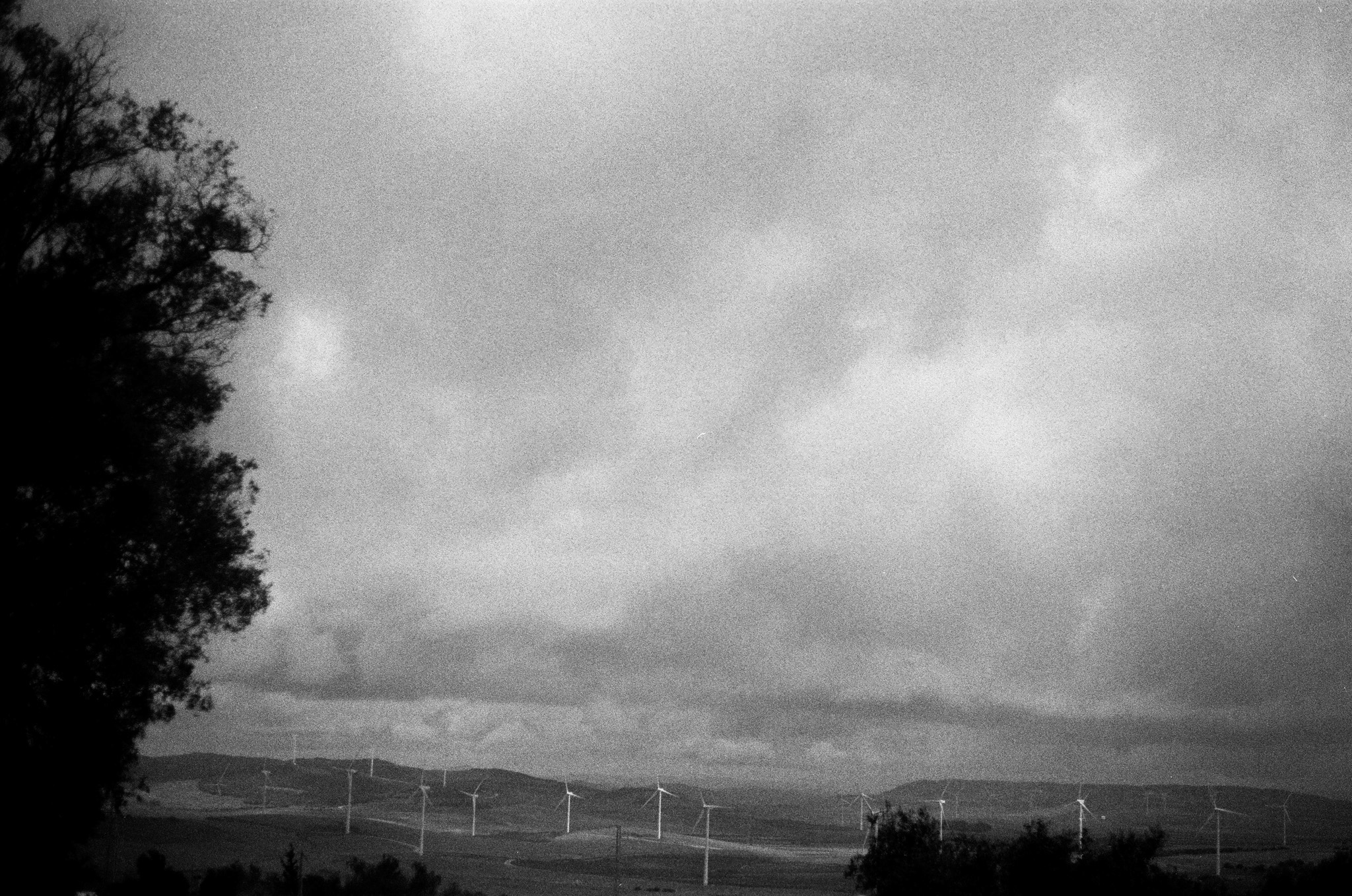
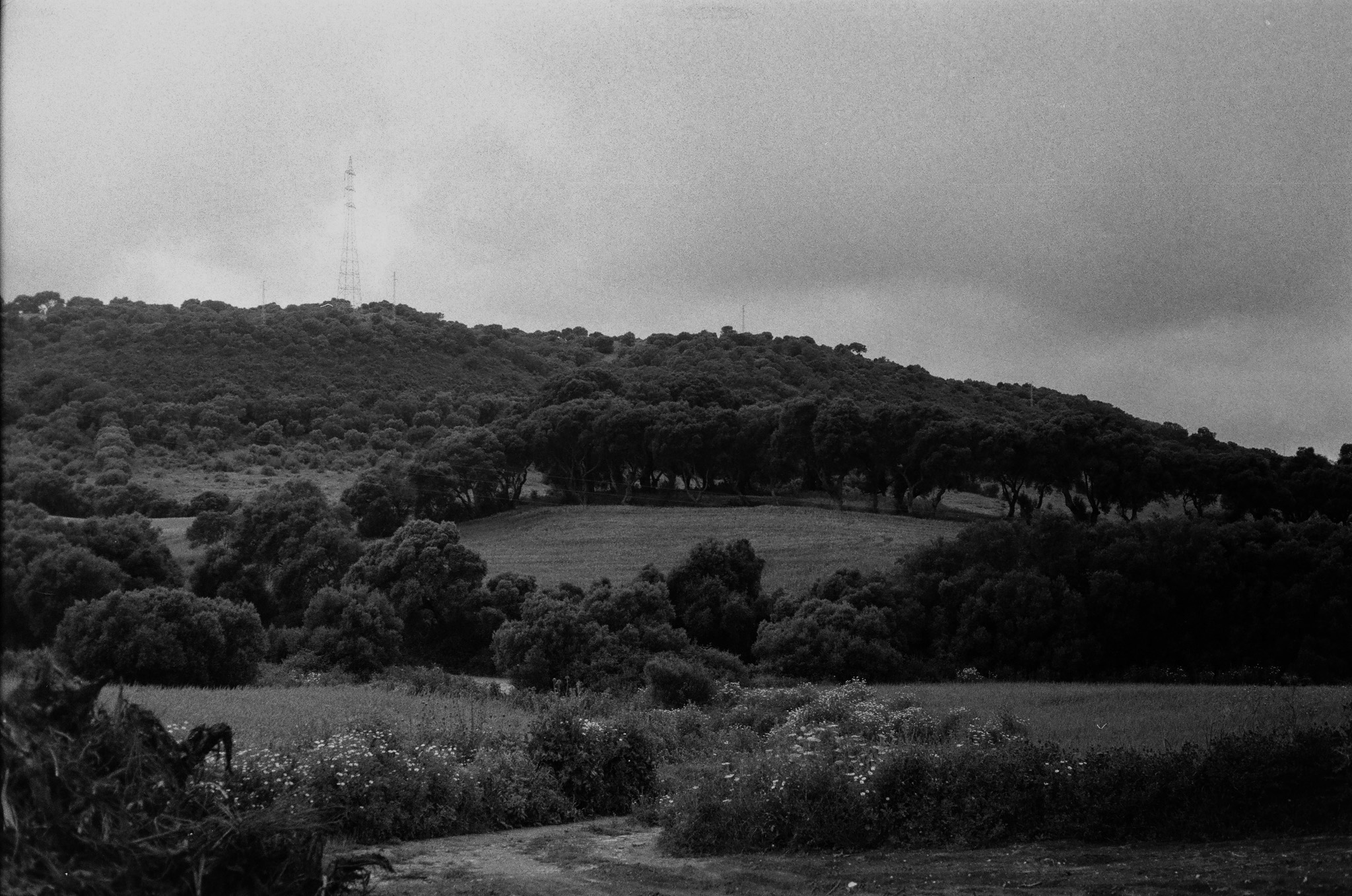
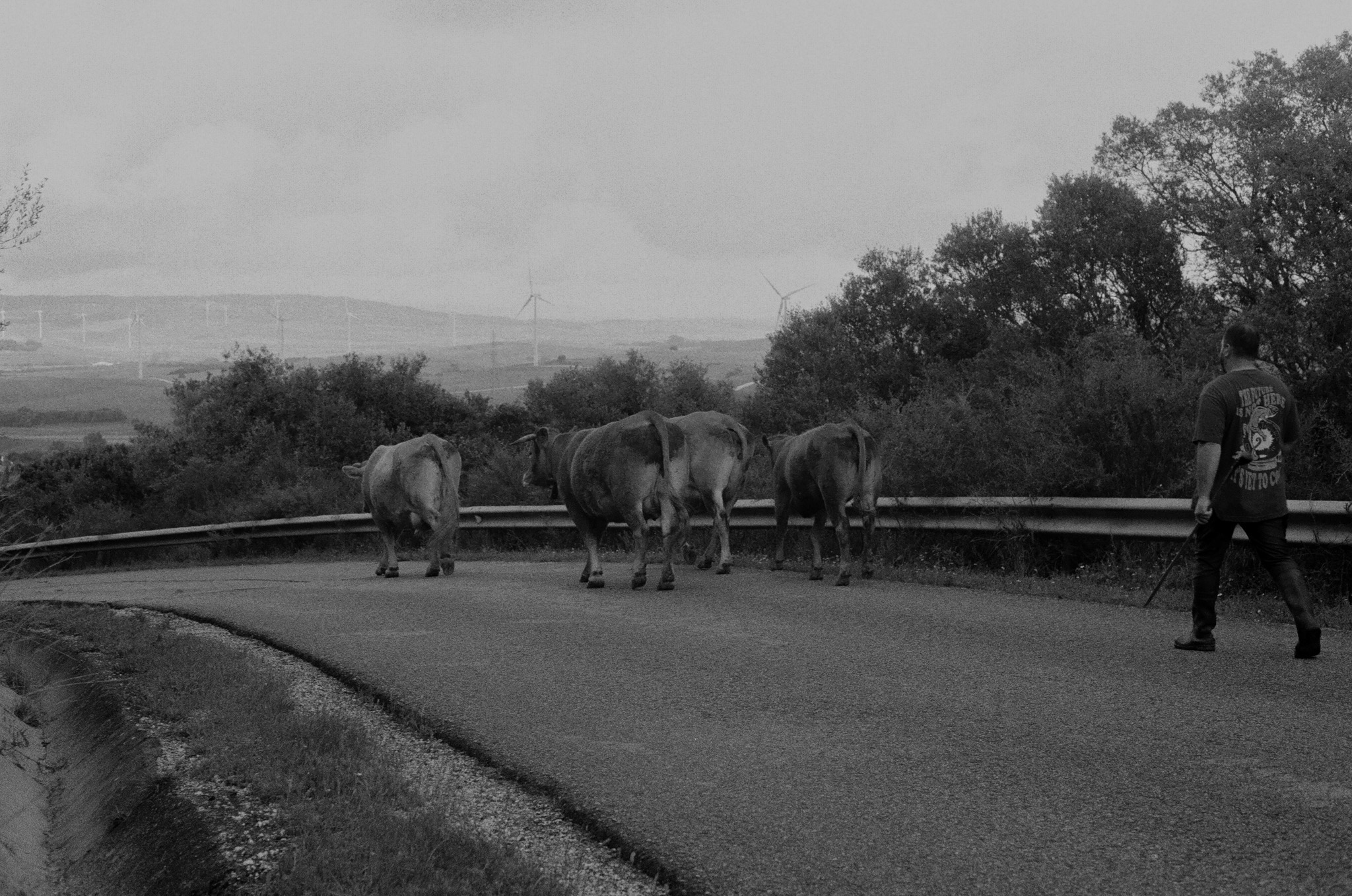
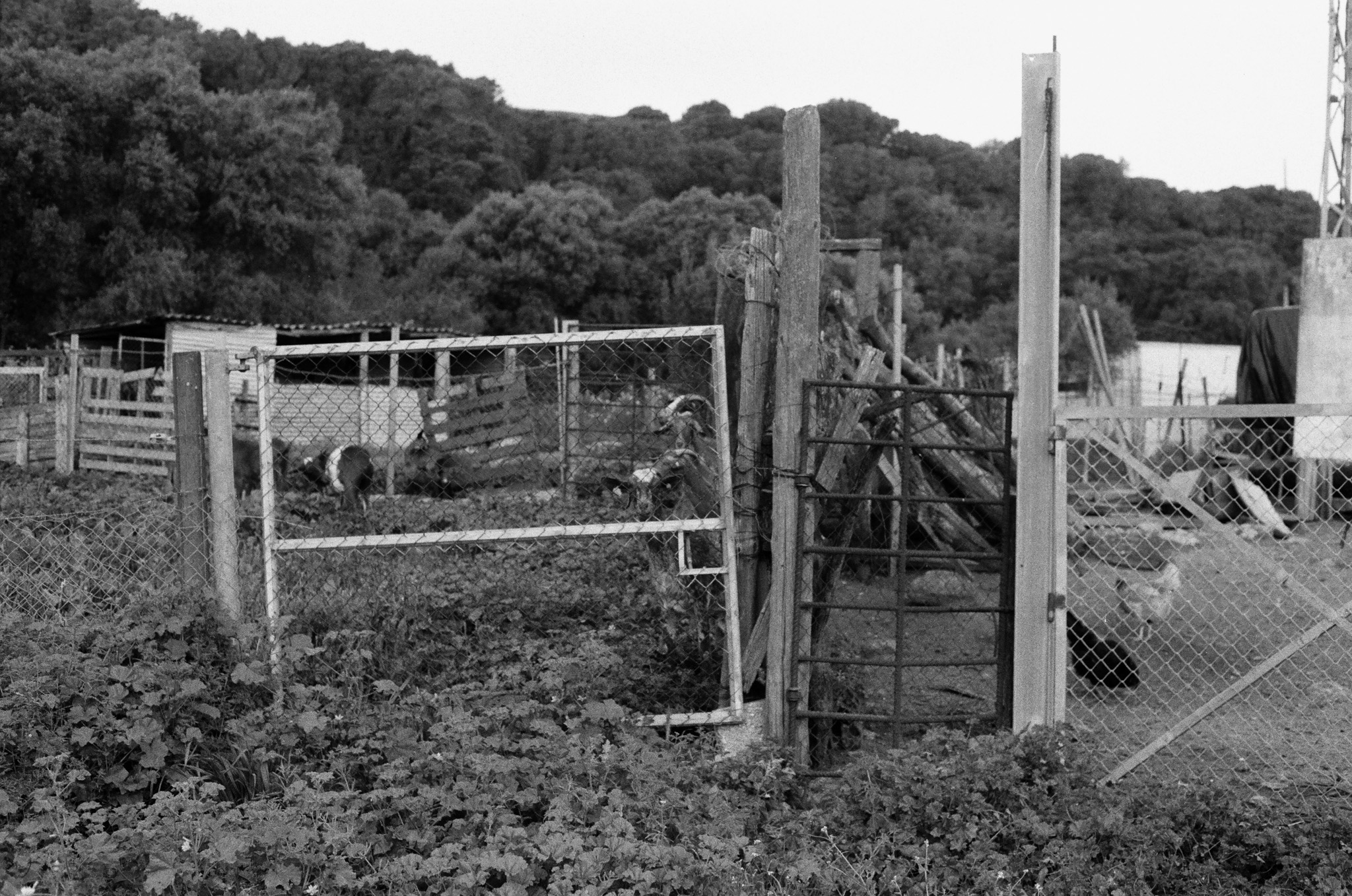
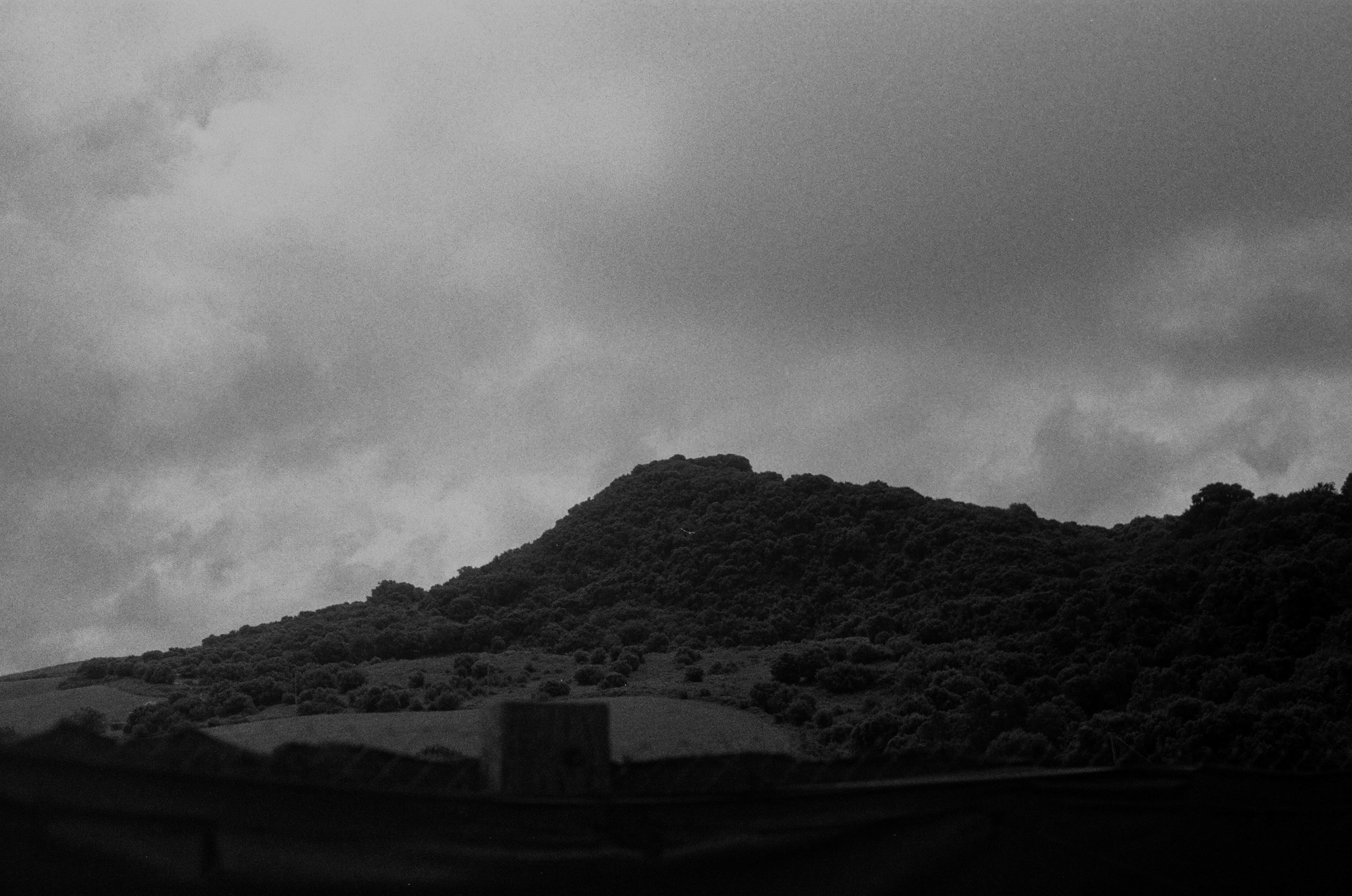
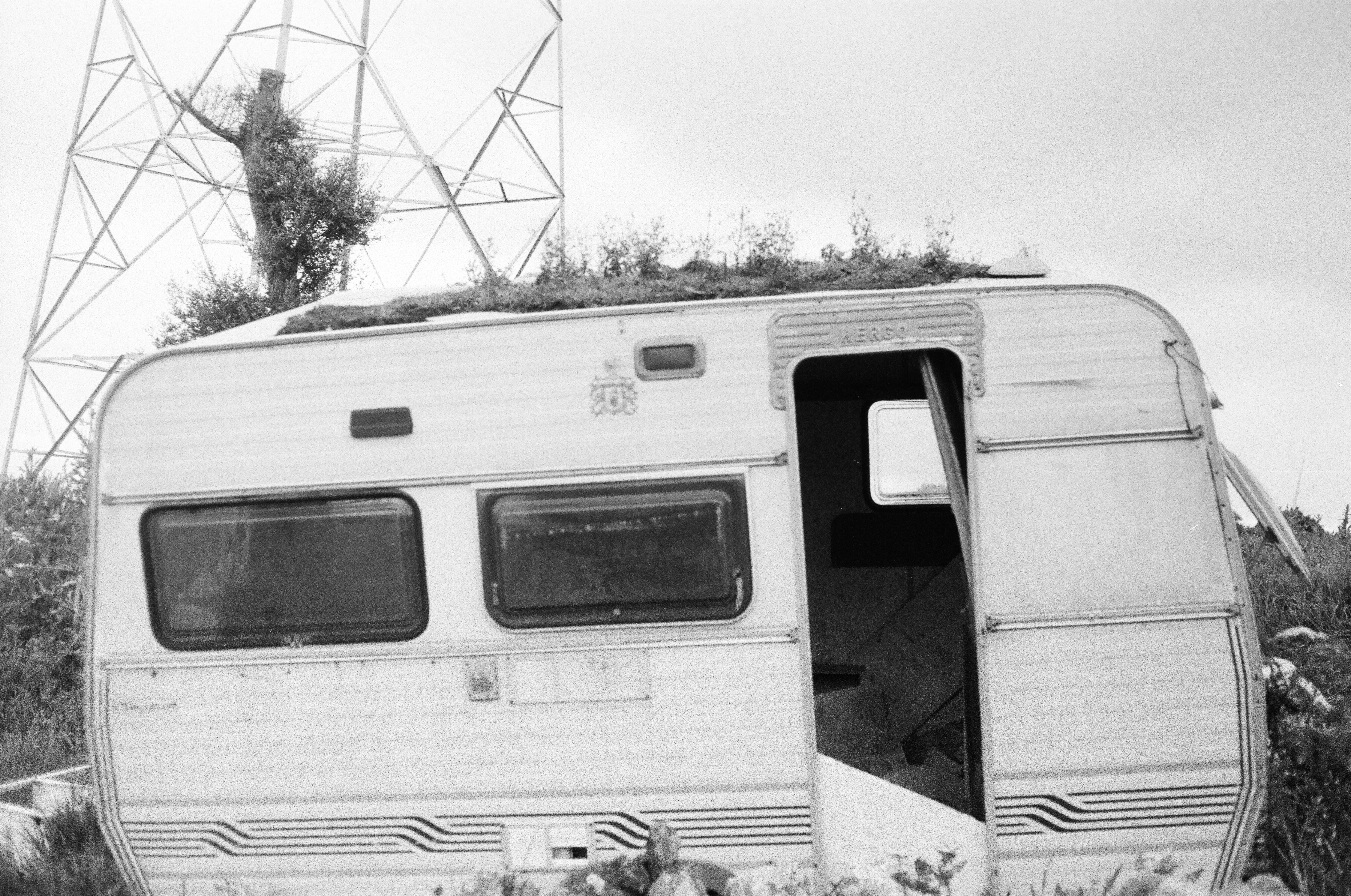
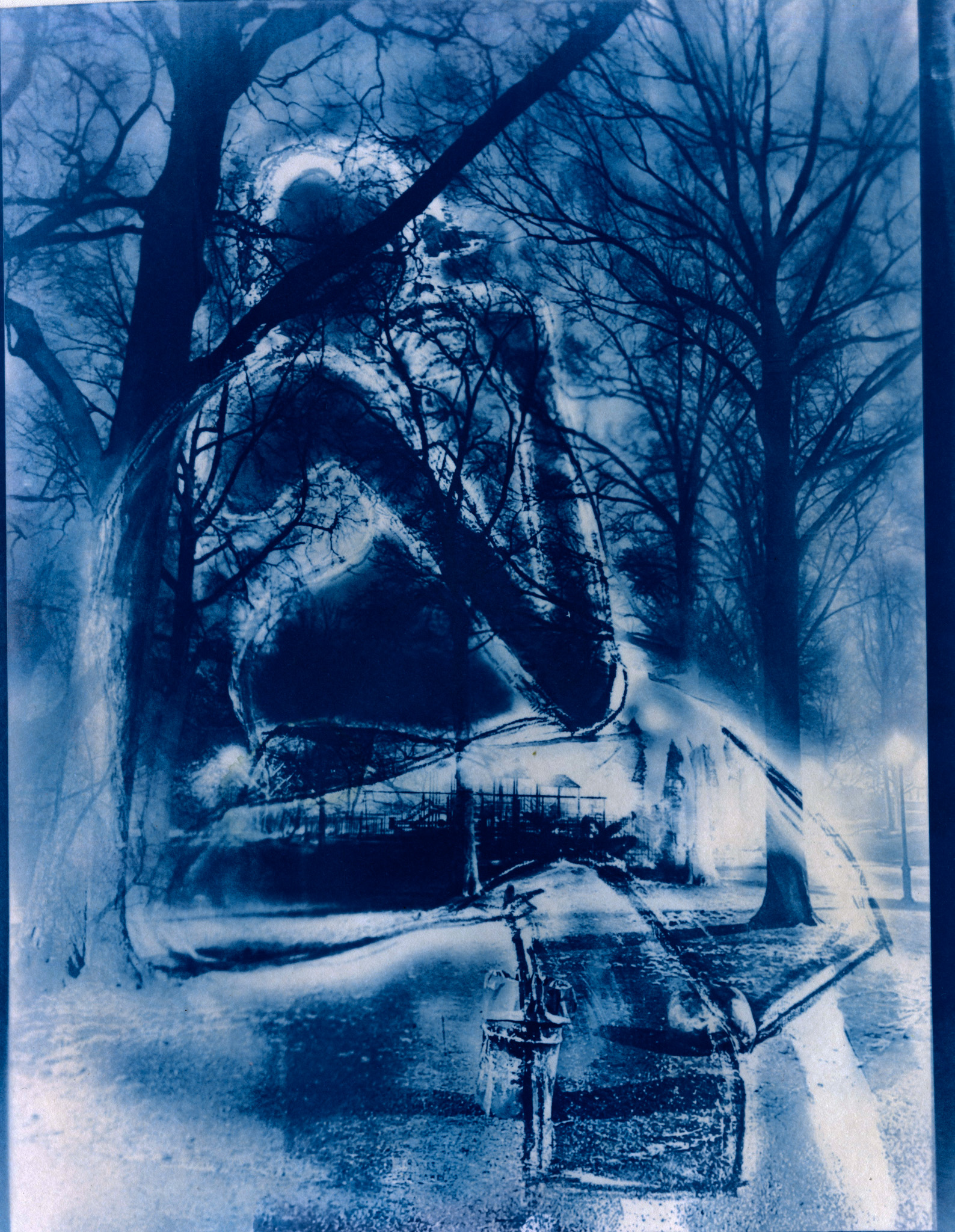
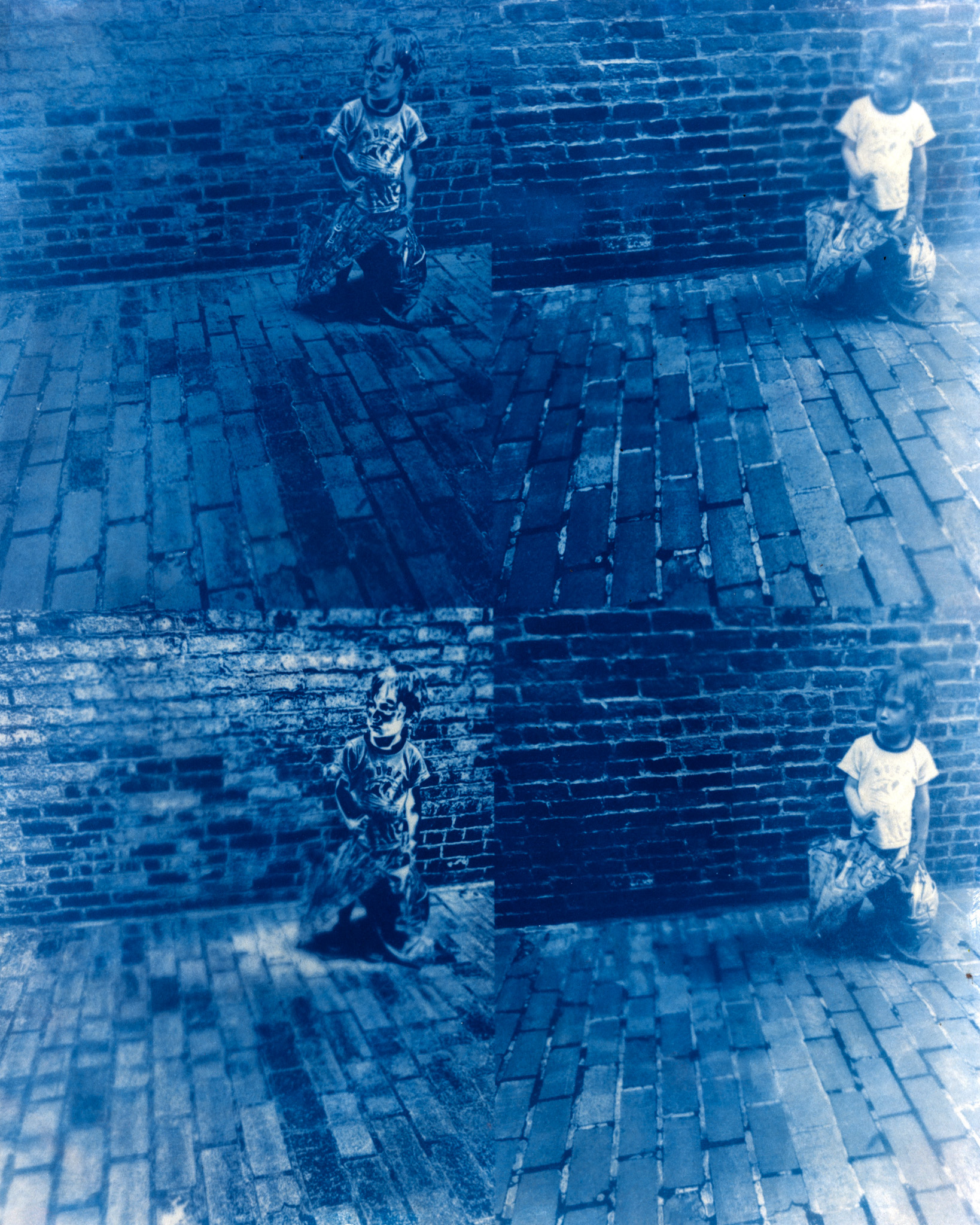
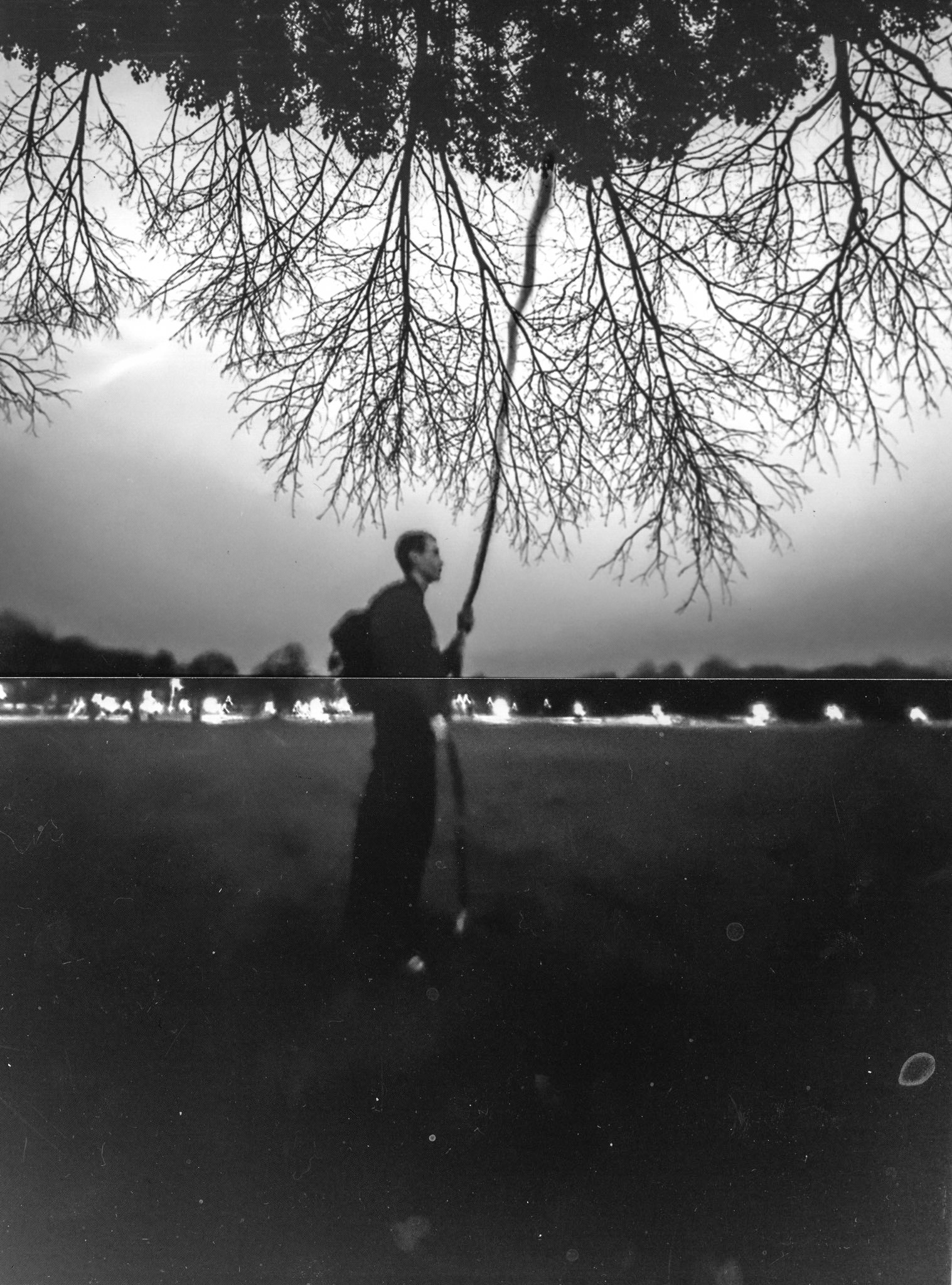
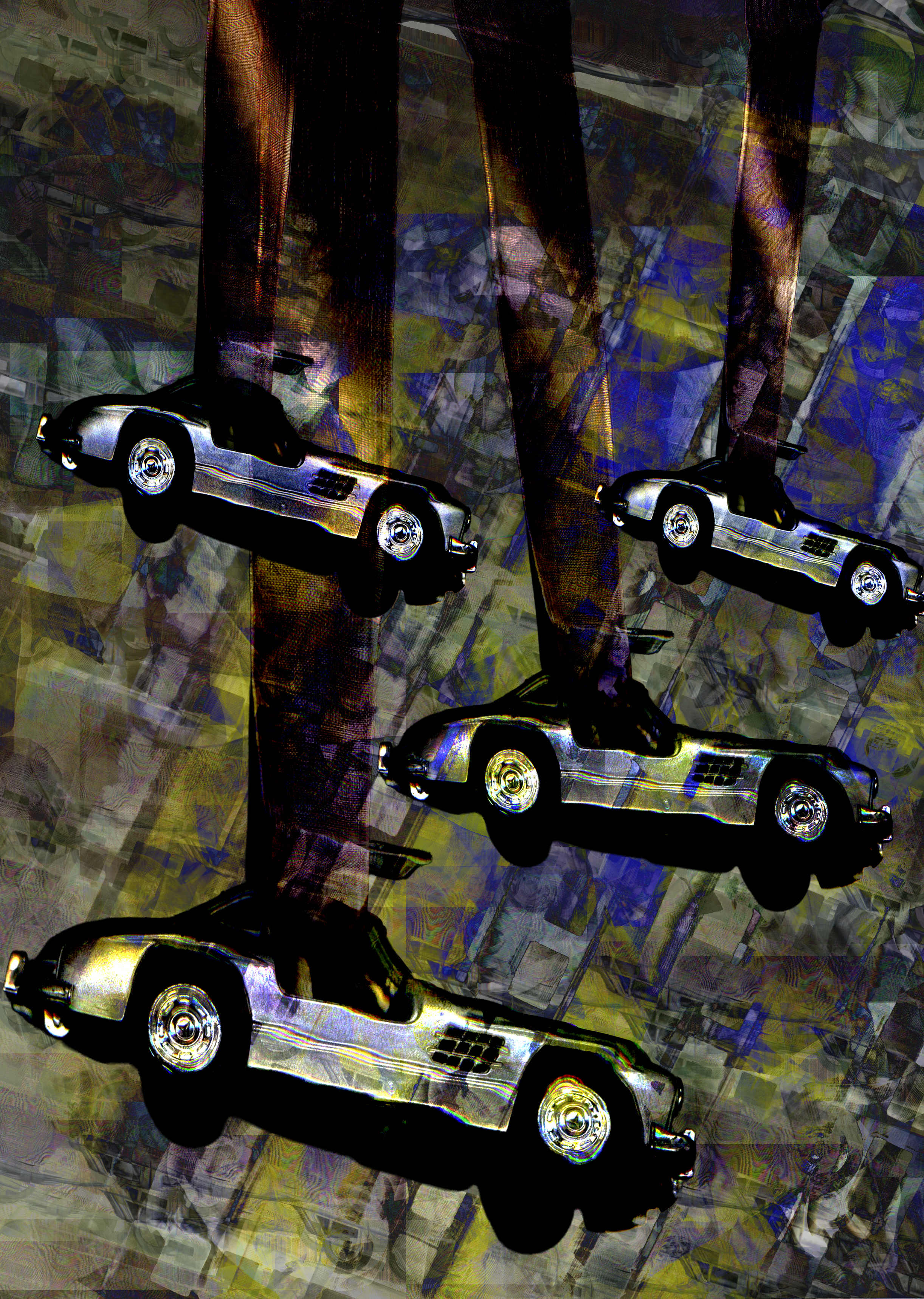
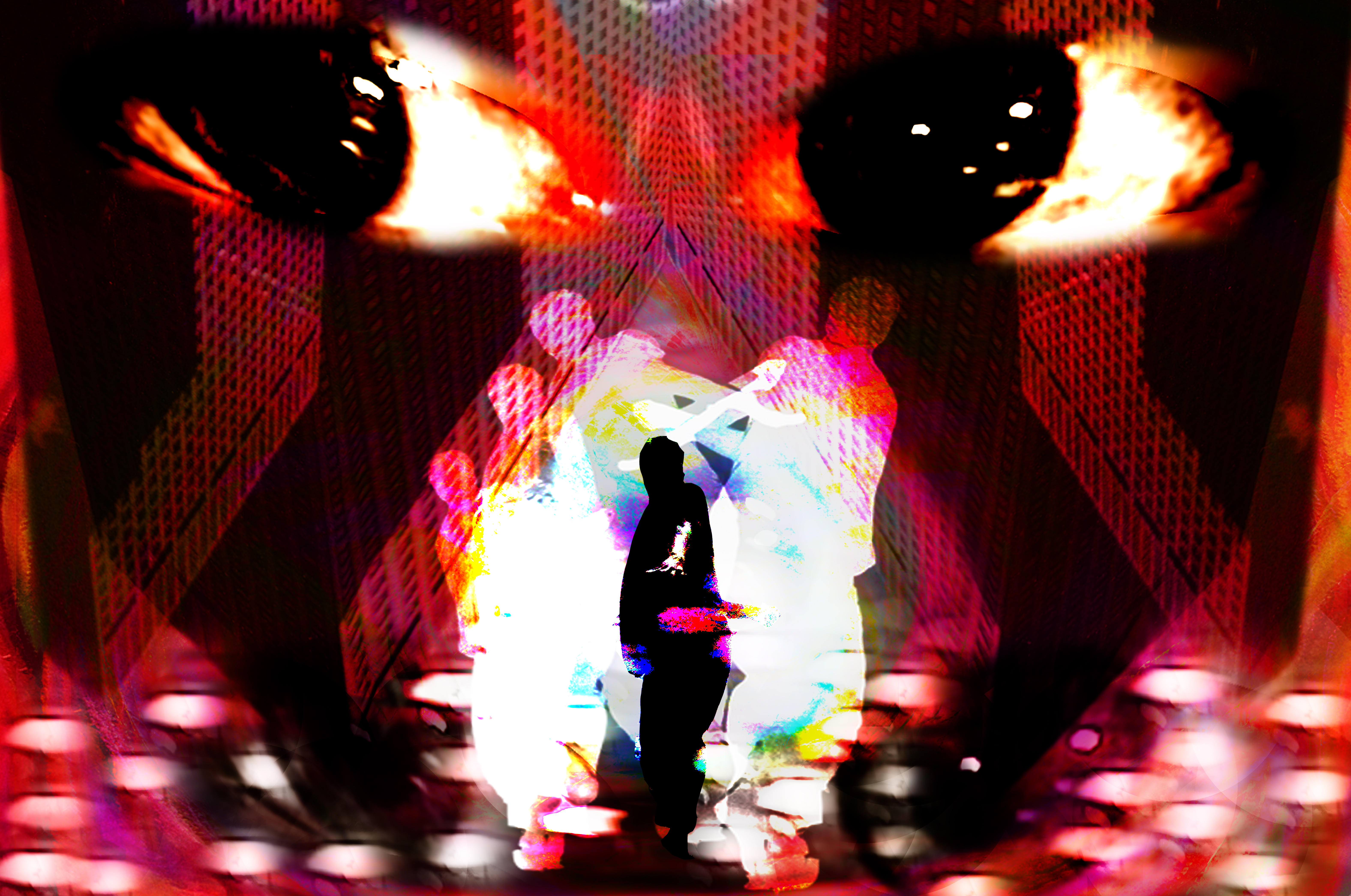
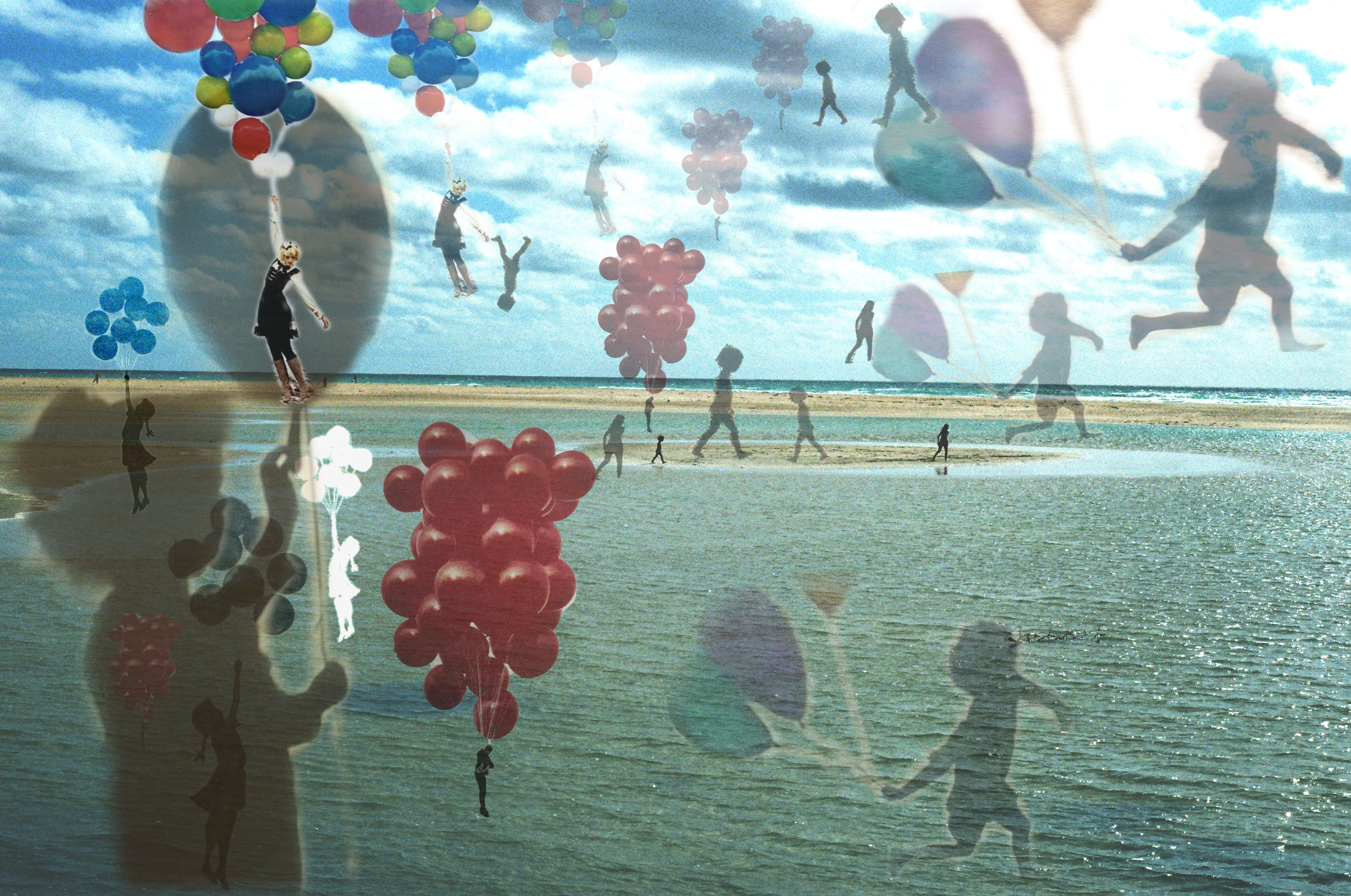
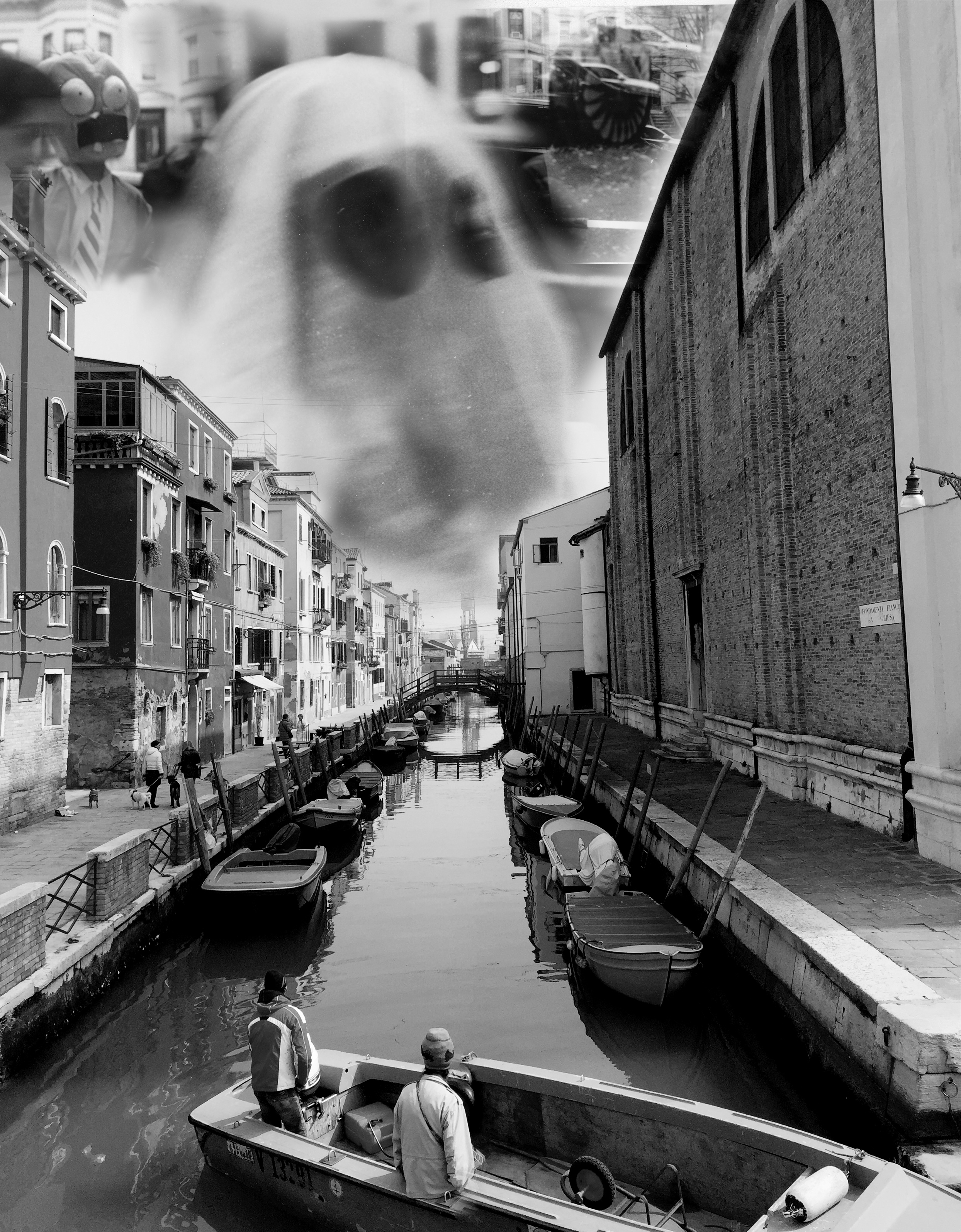
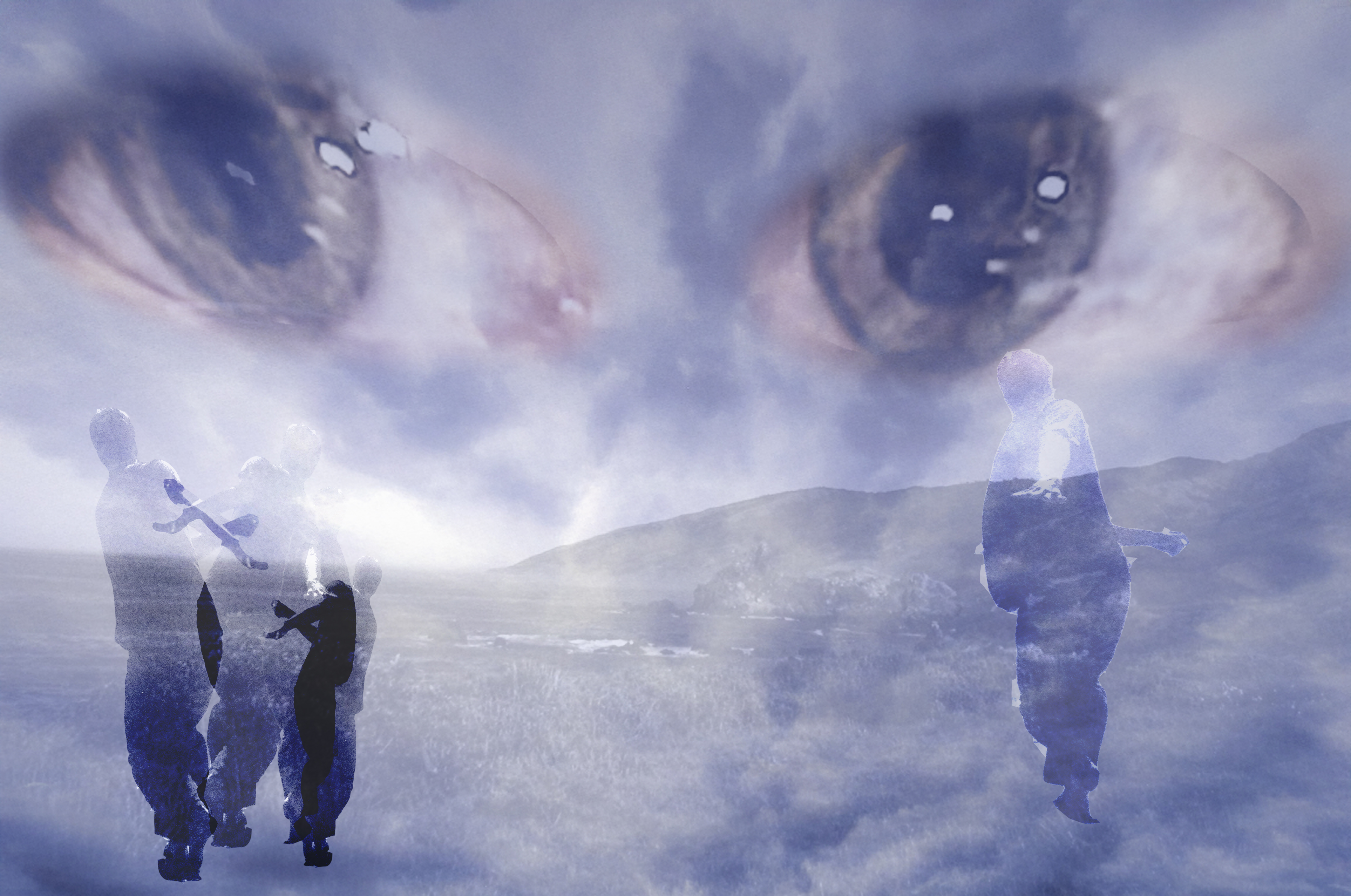
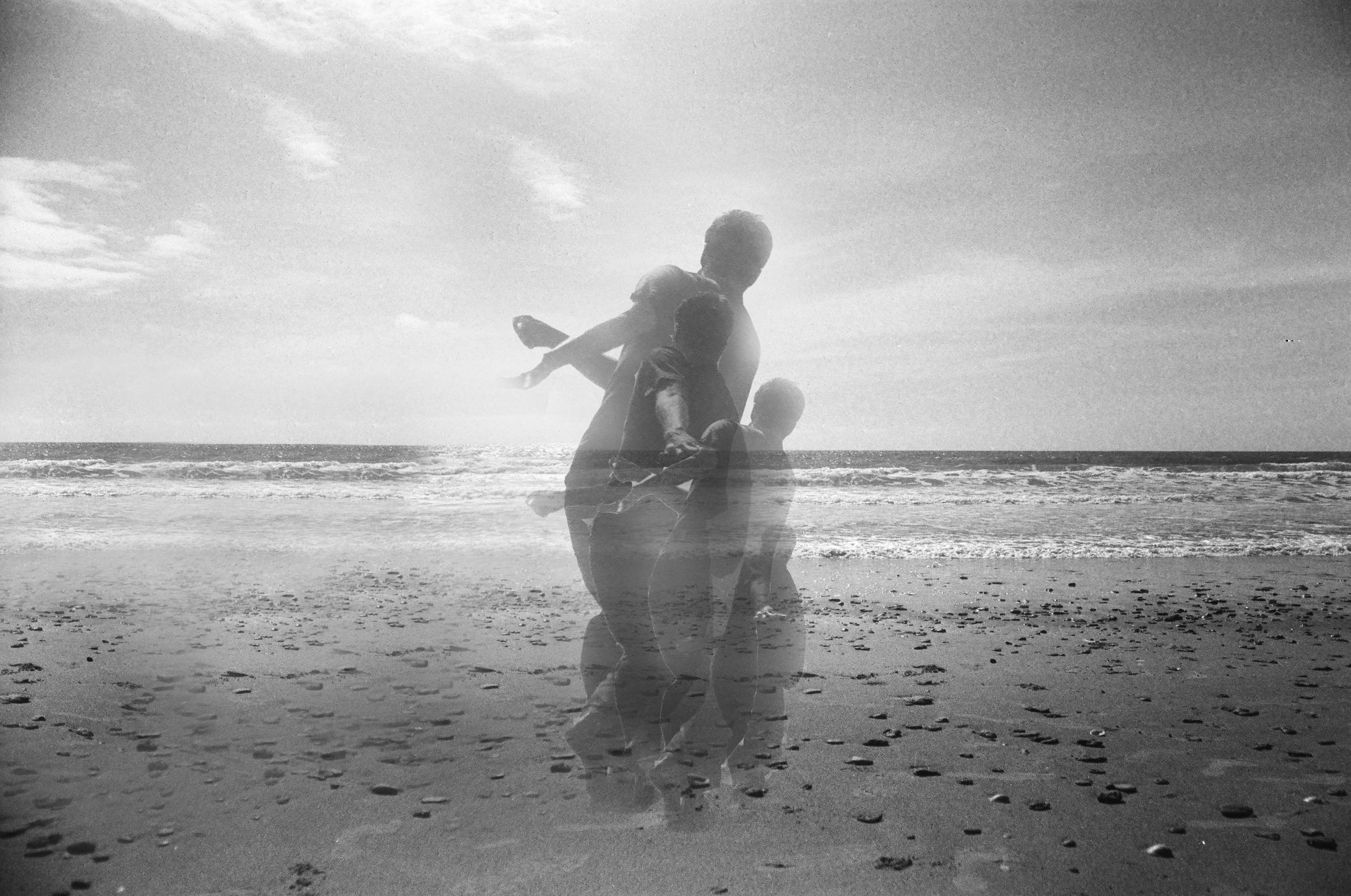
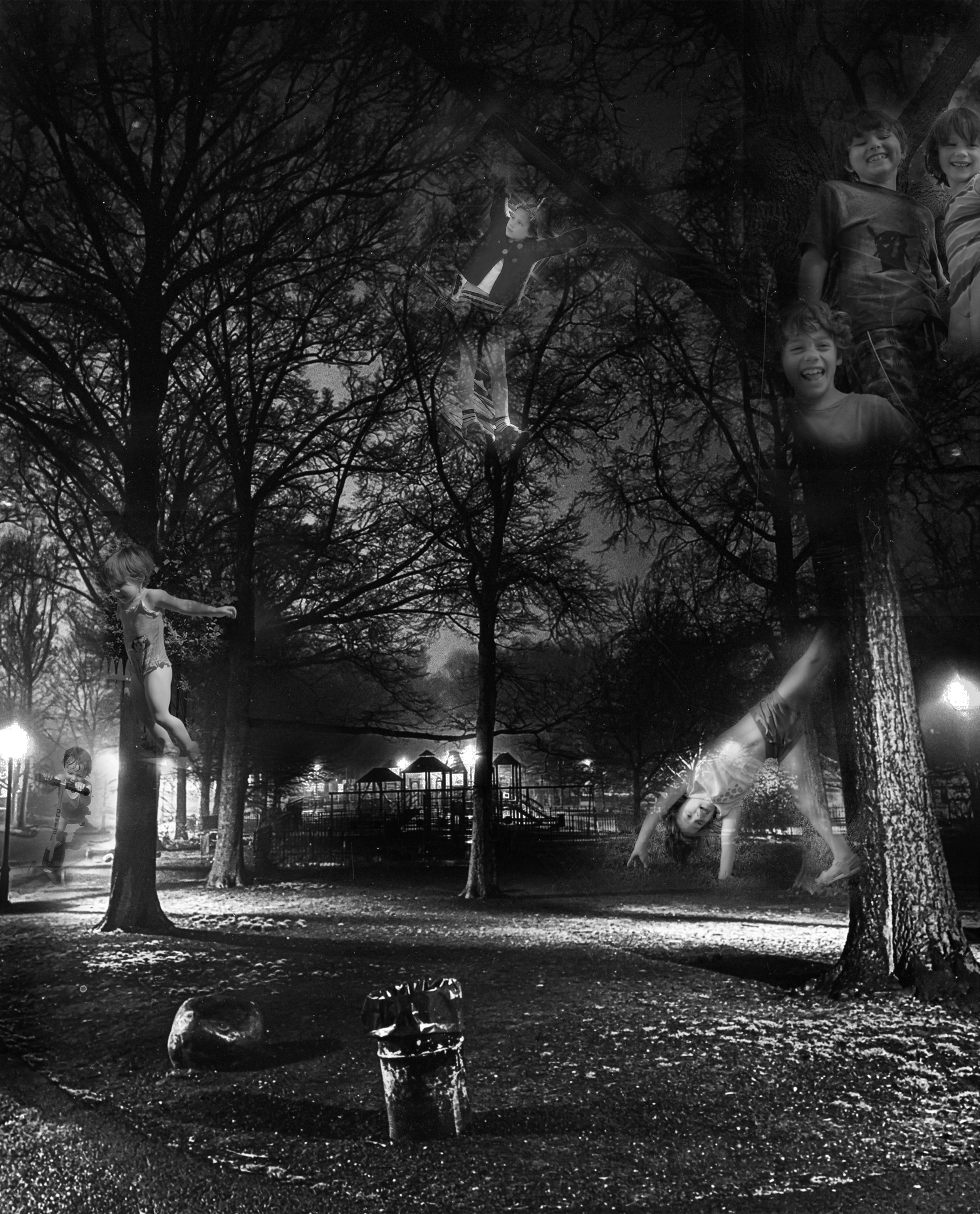
Superimposing, layering, multiple exposures, and use of digital negatives
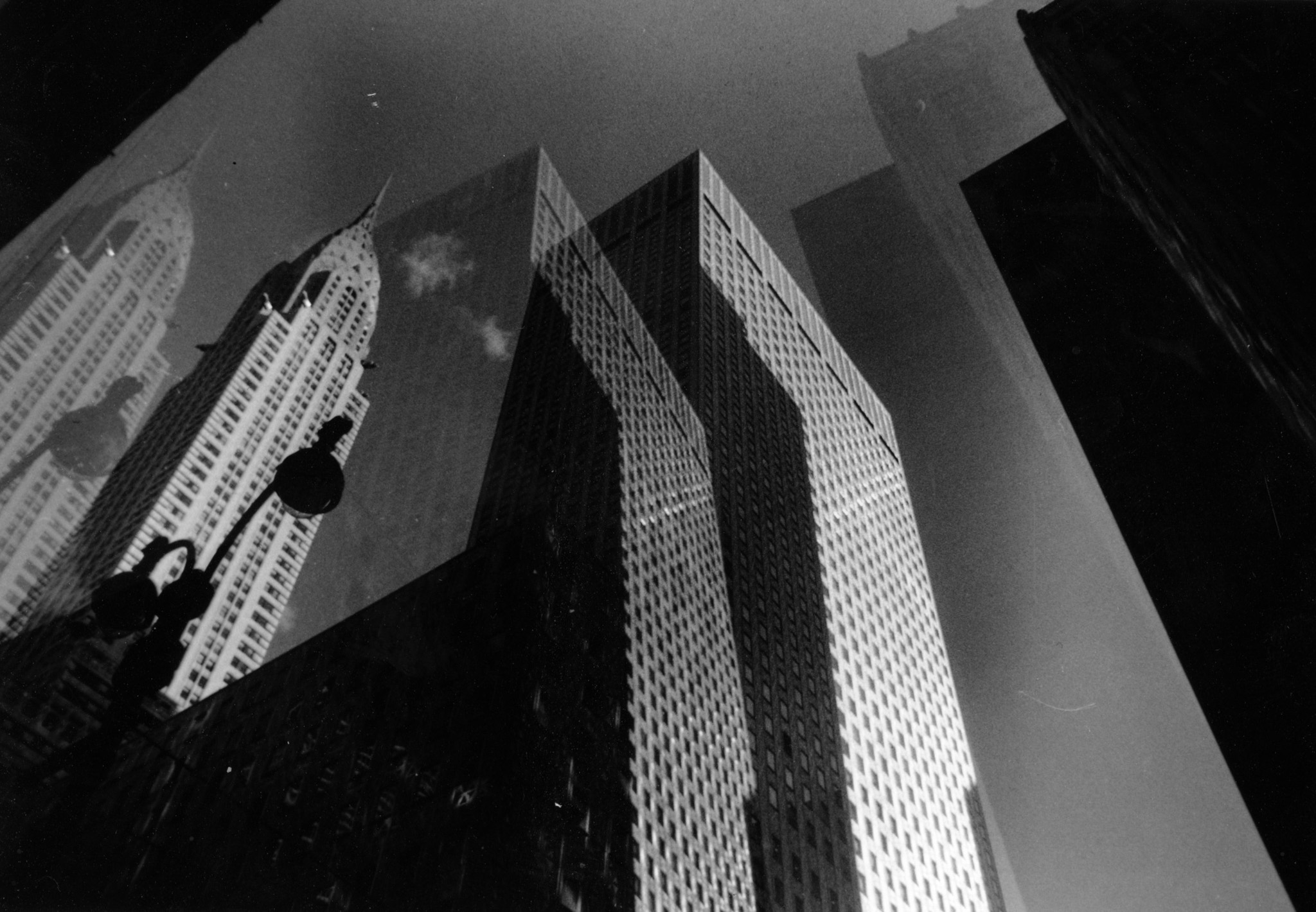
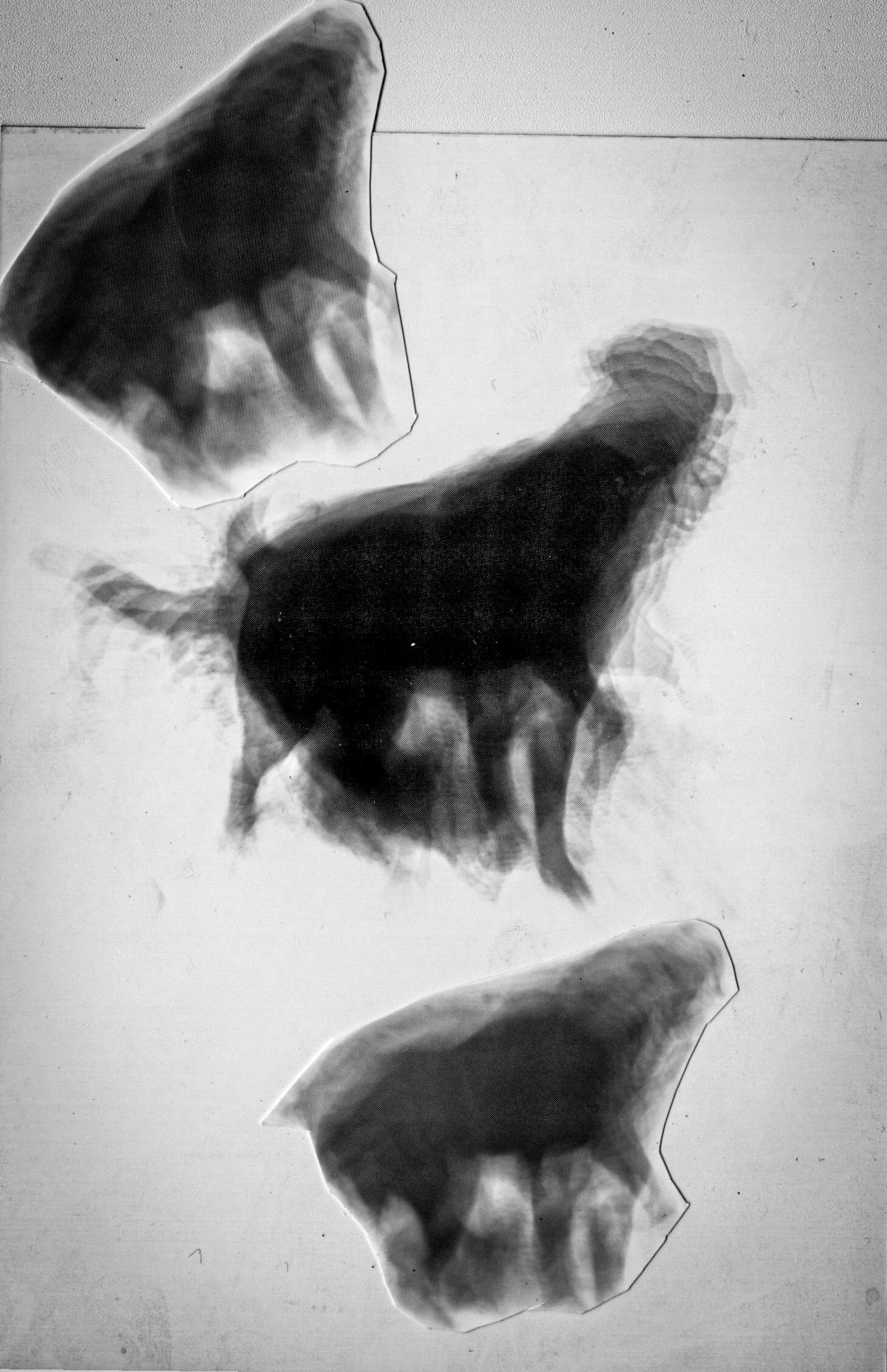
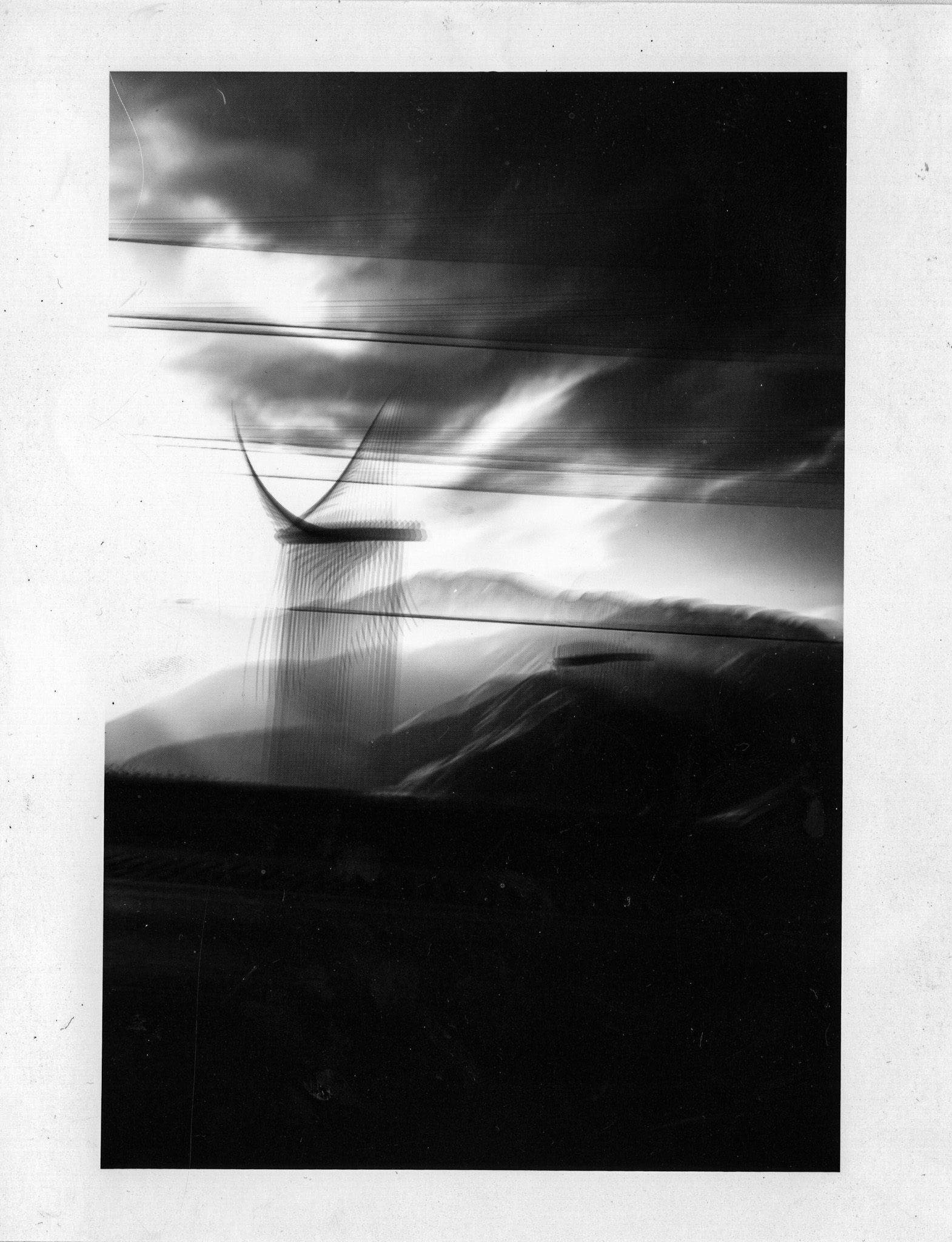
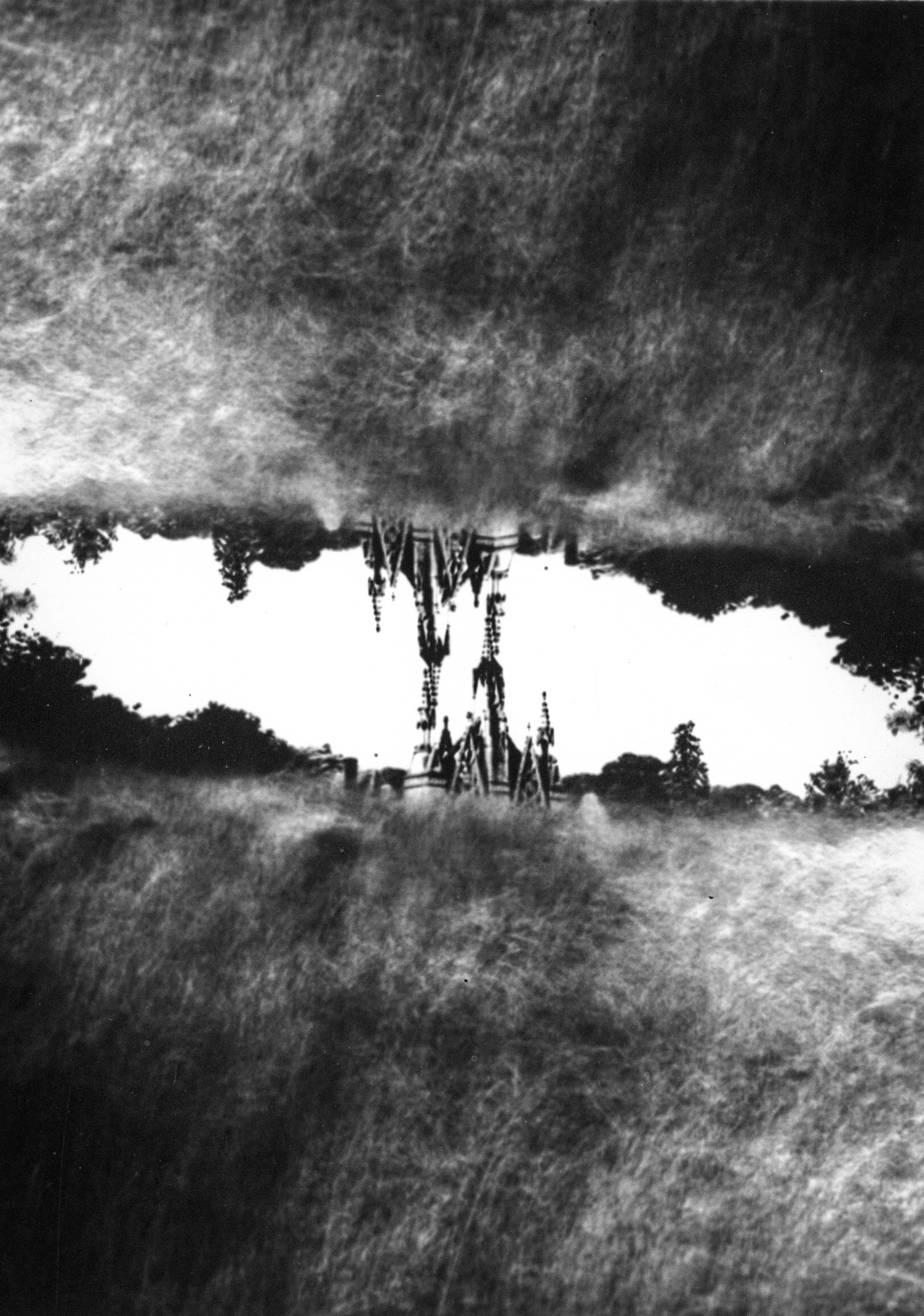
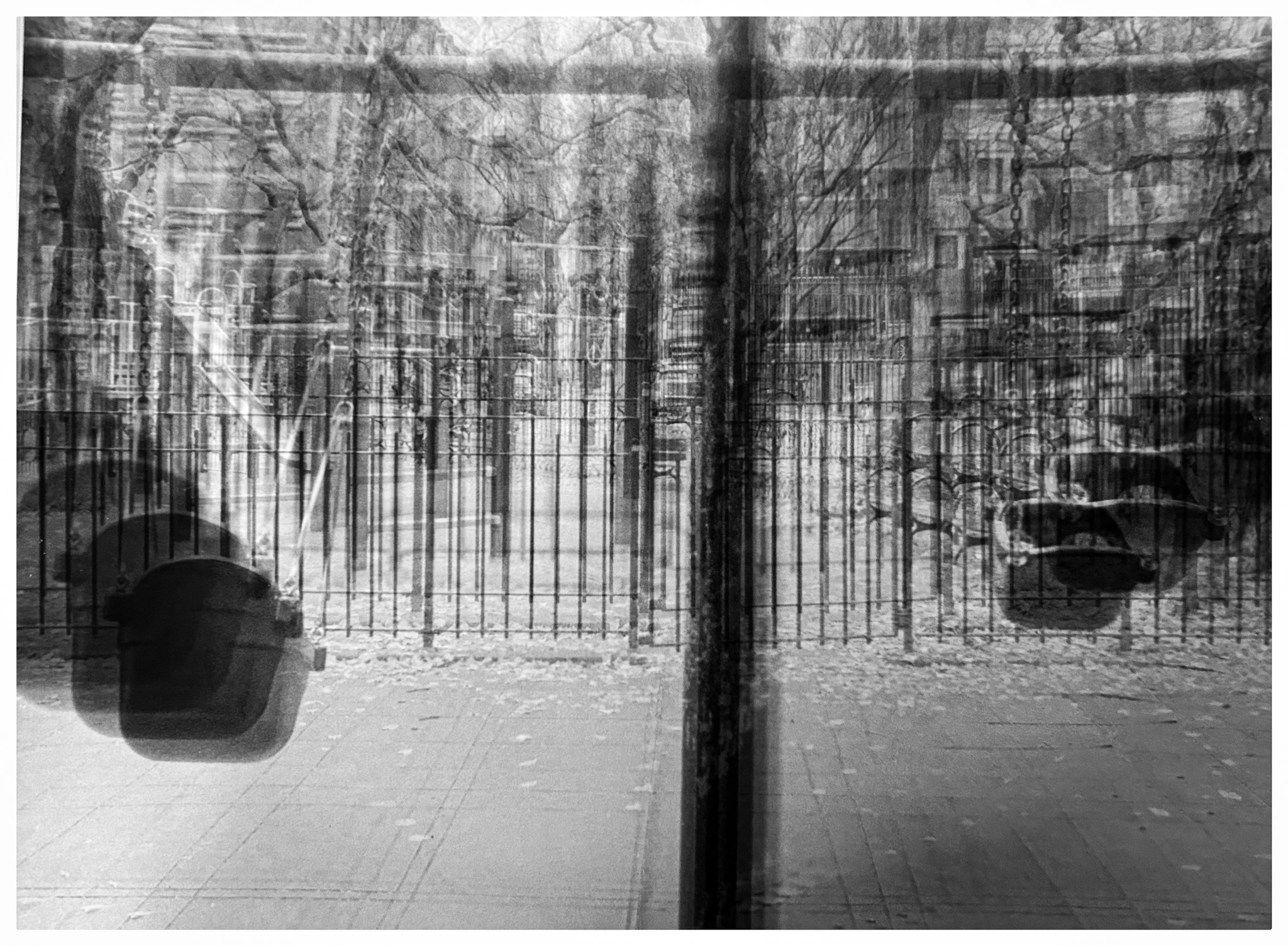
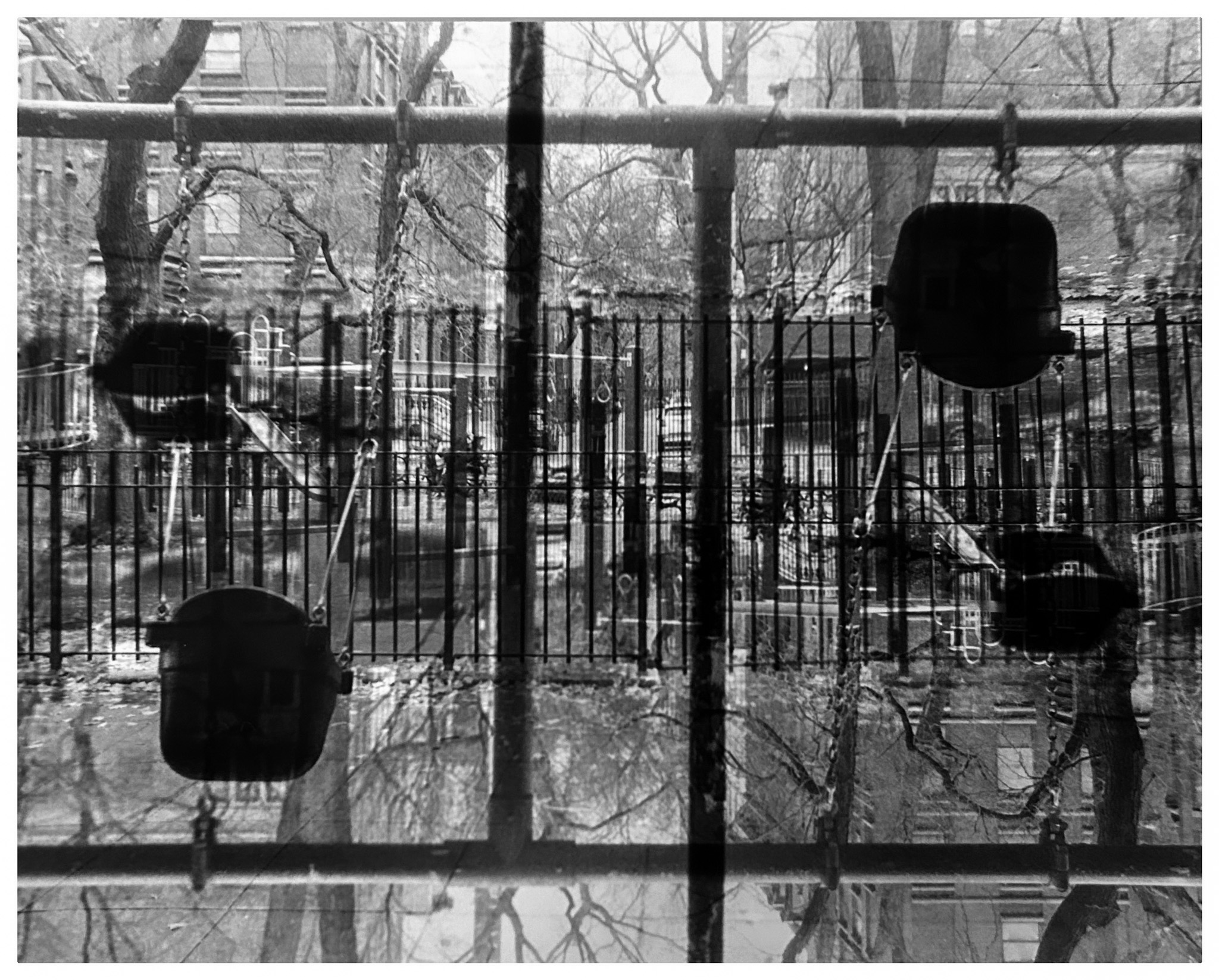
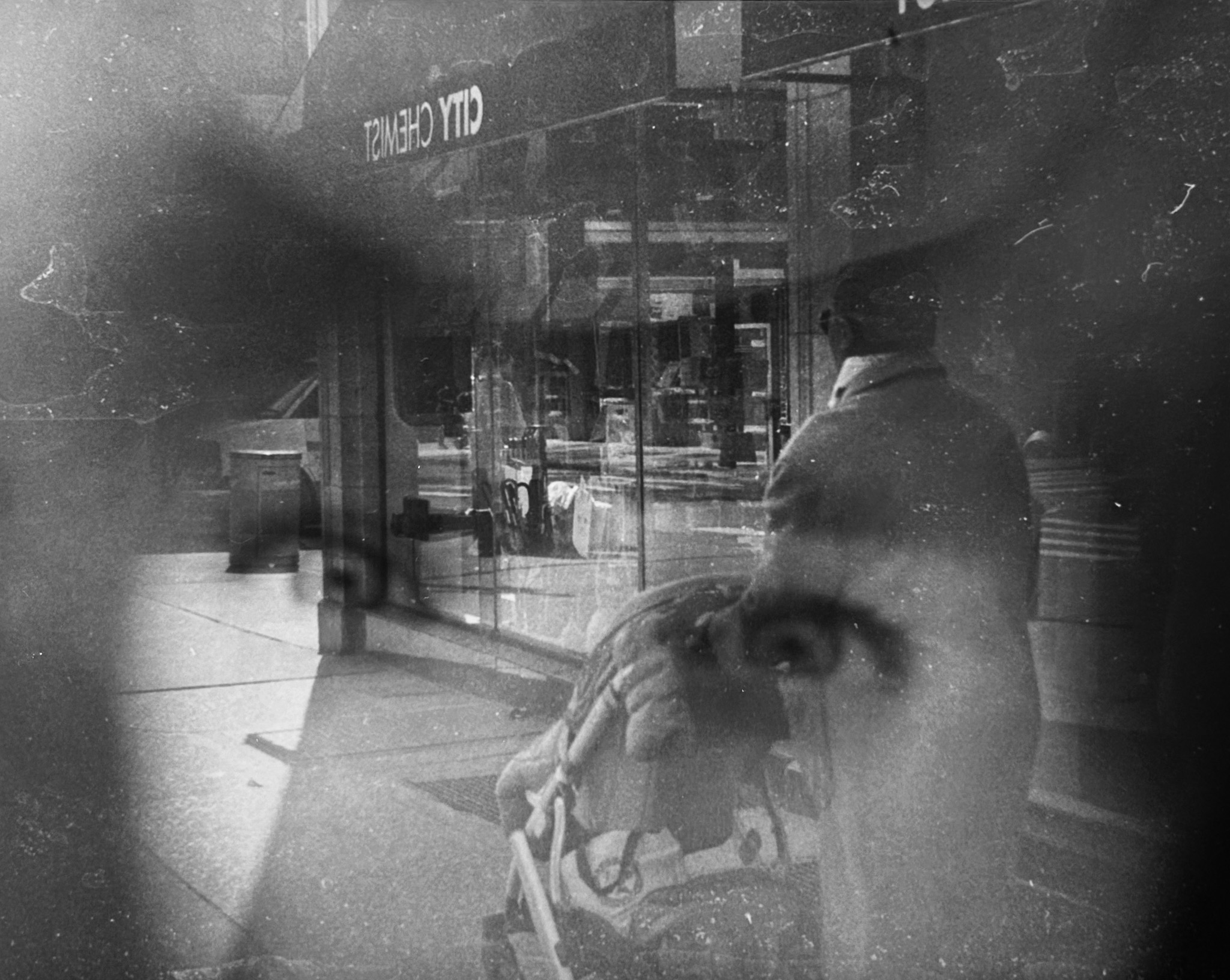
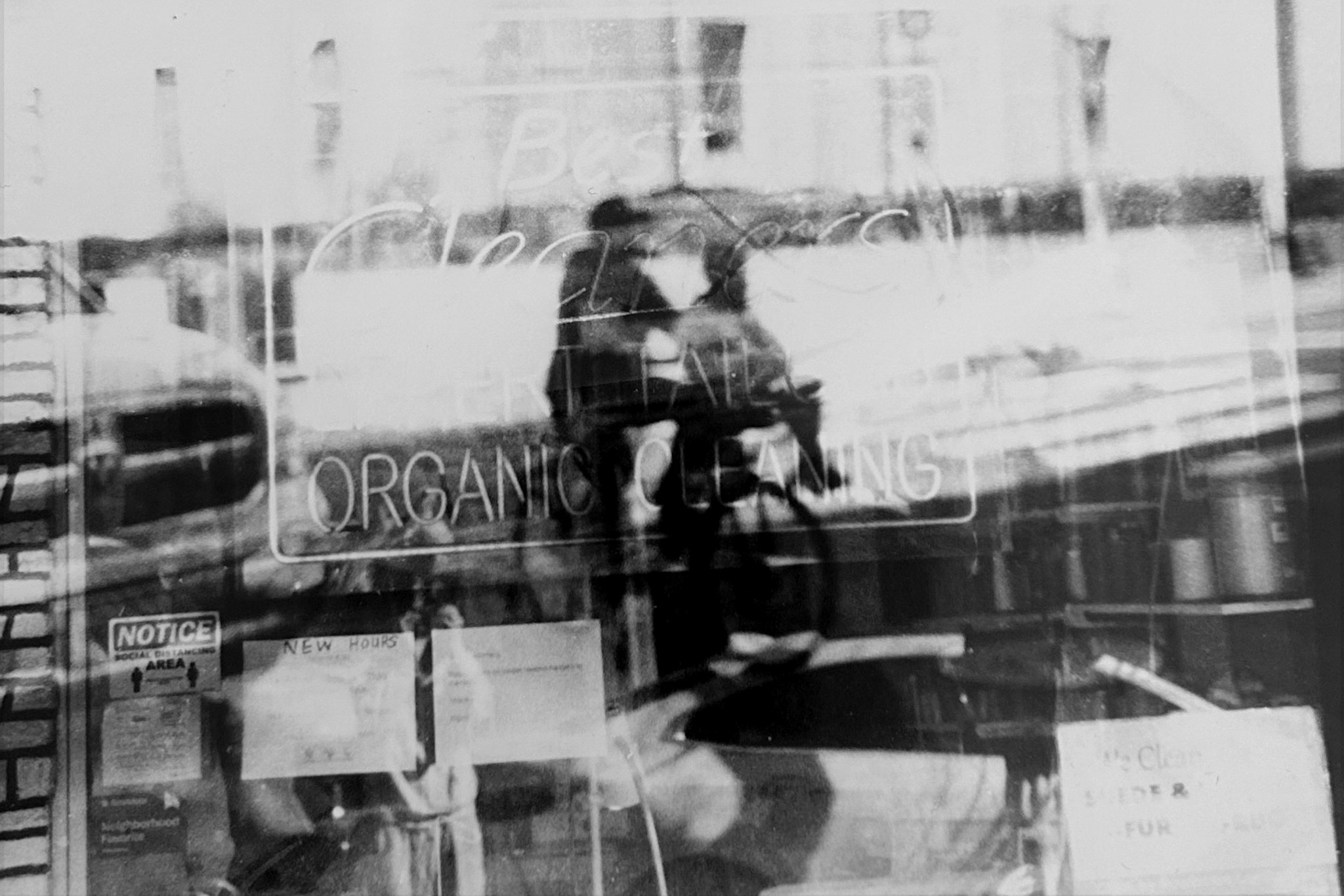
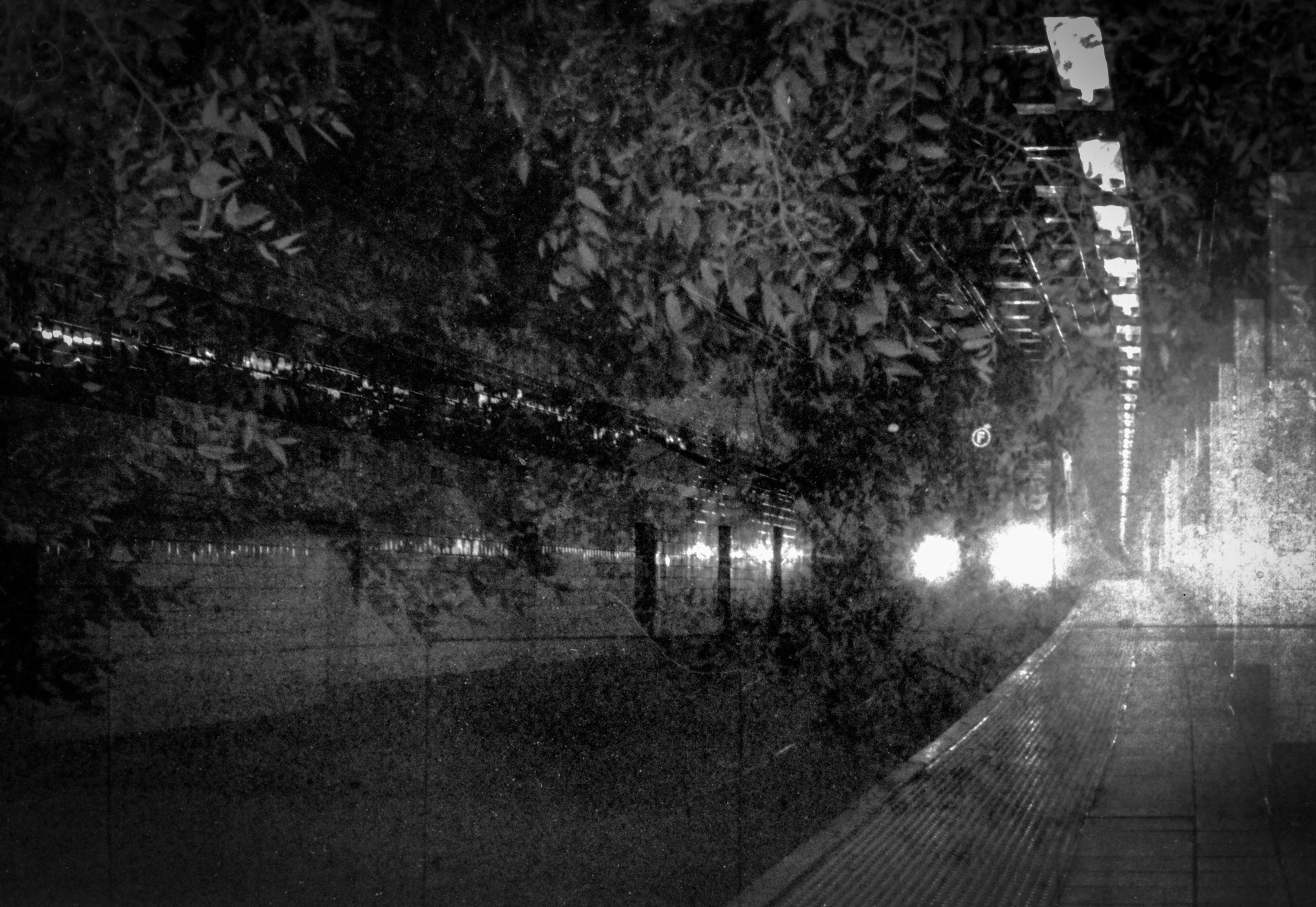
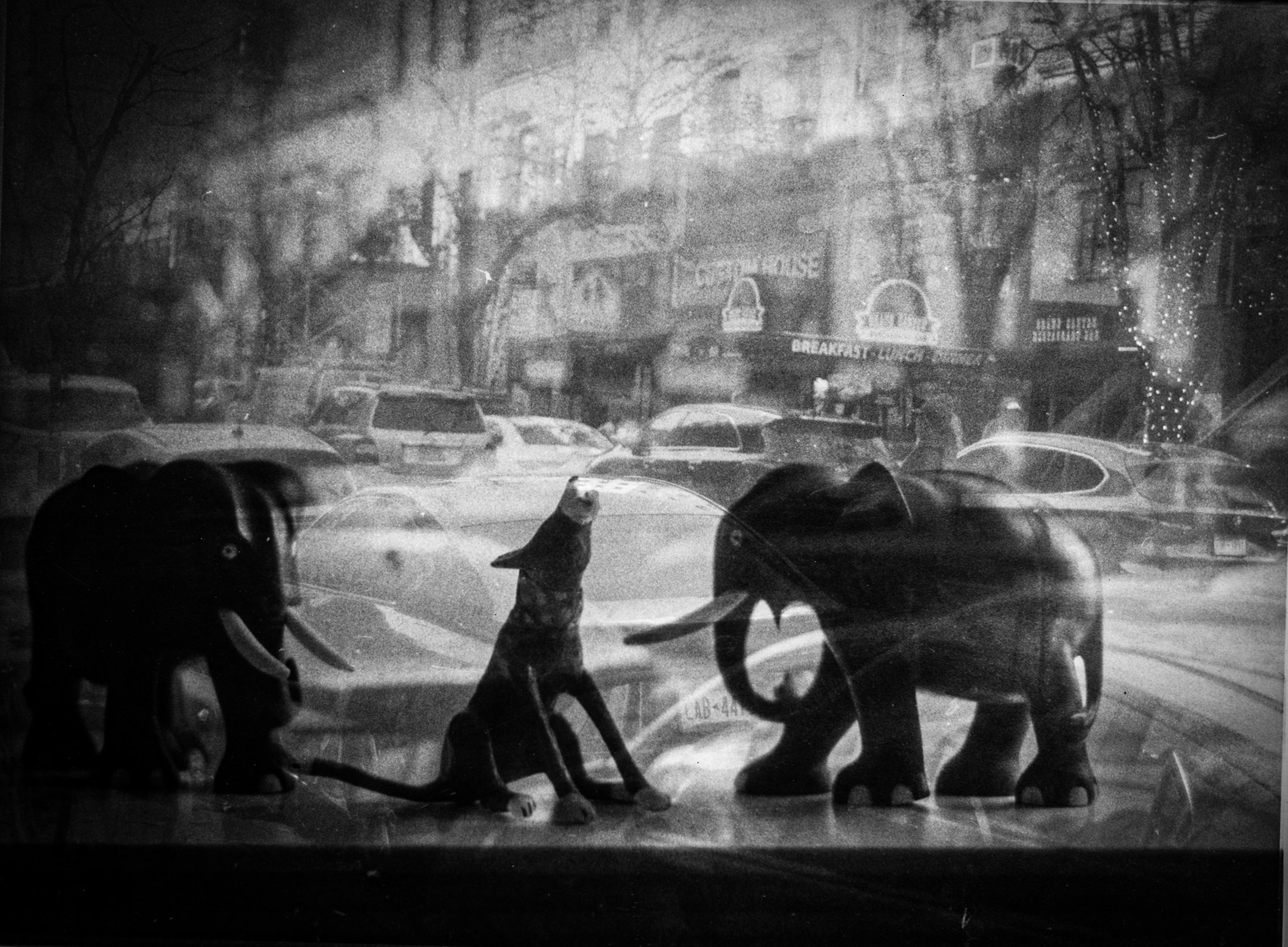
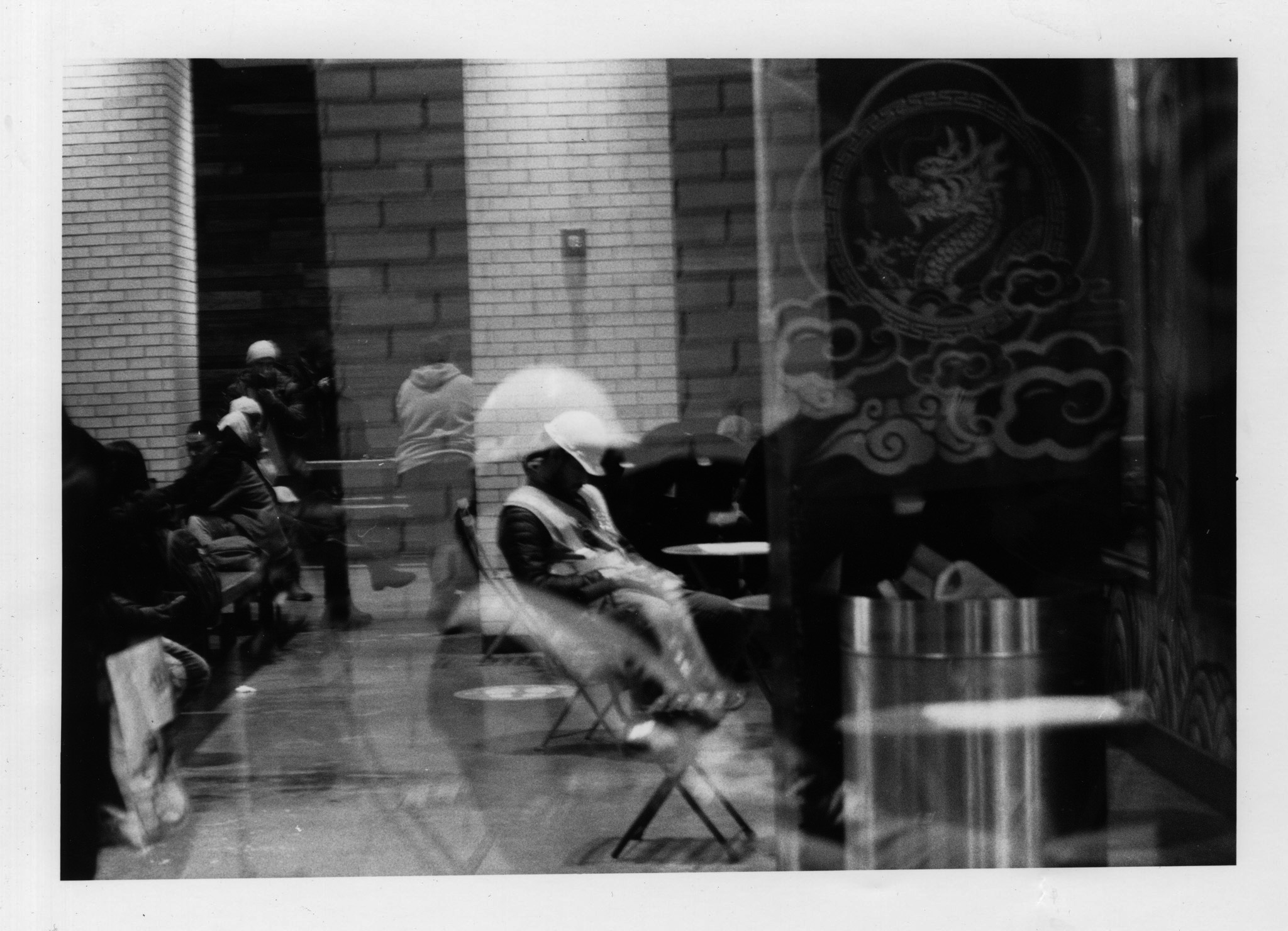
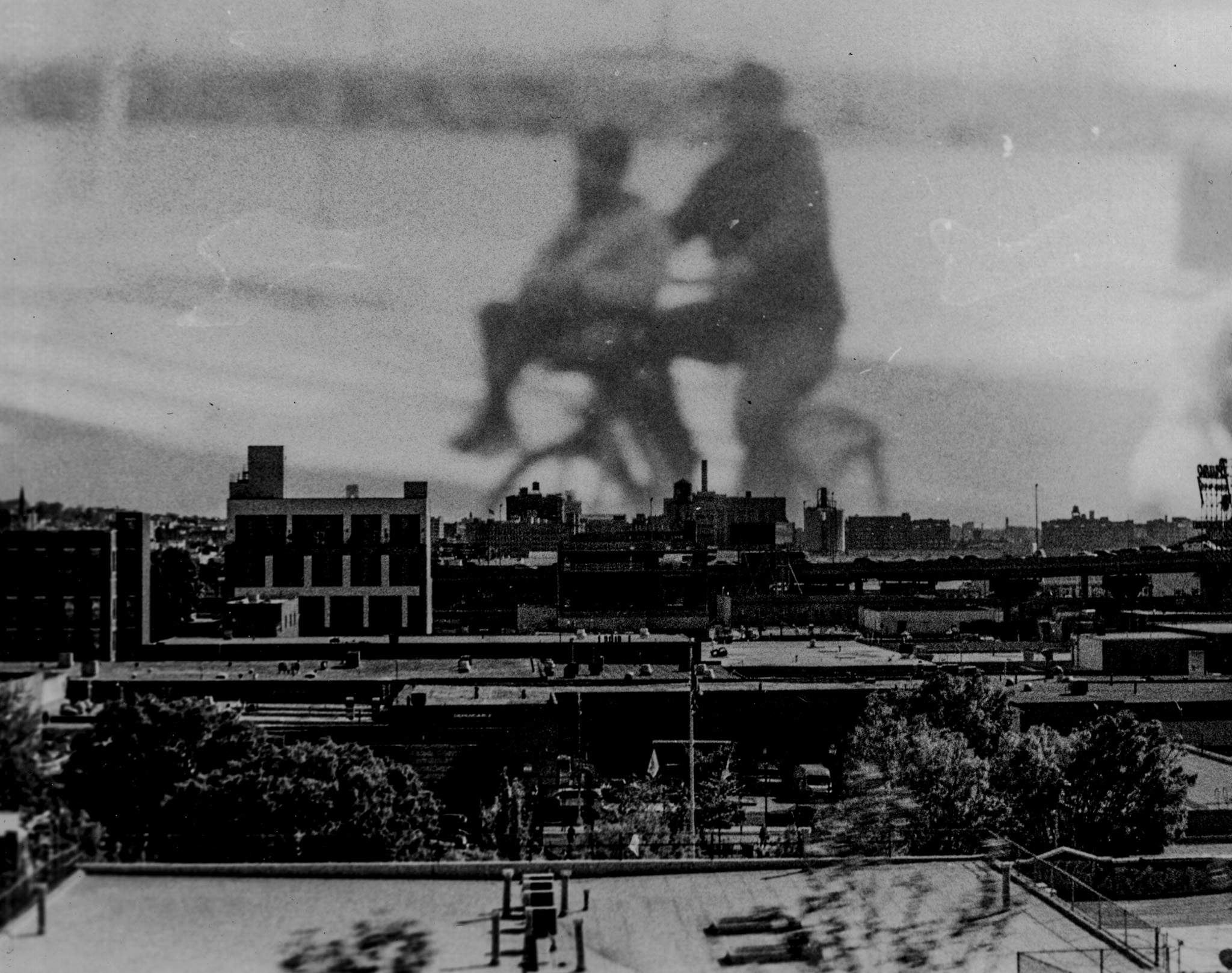
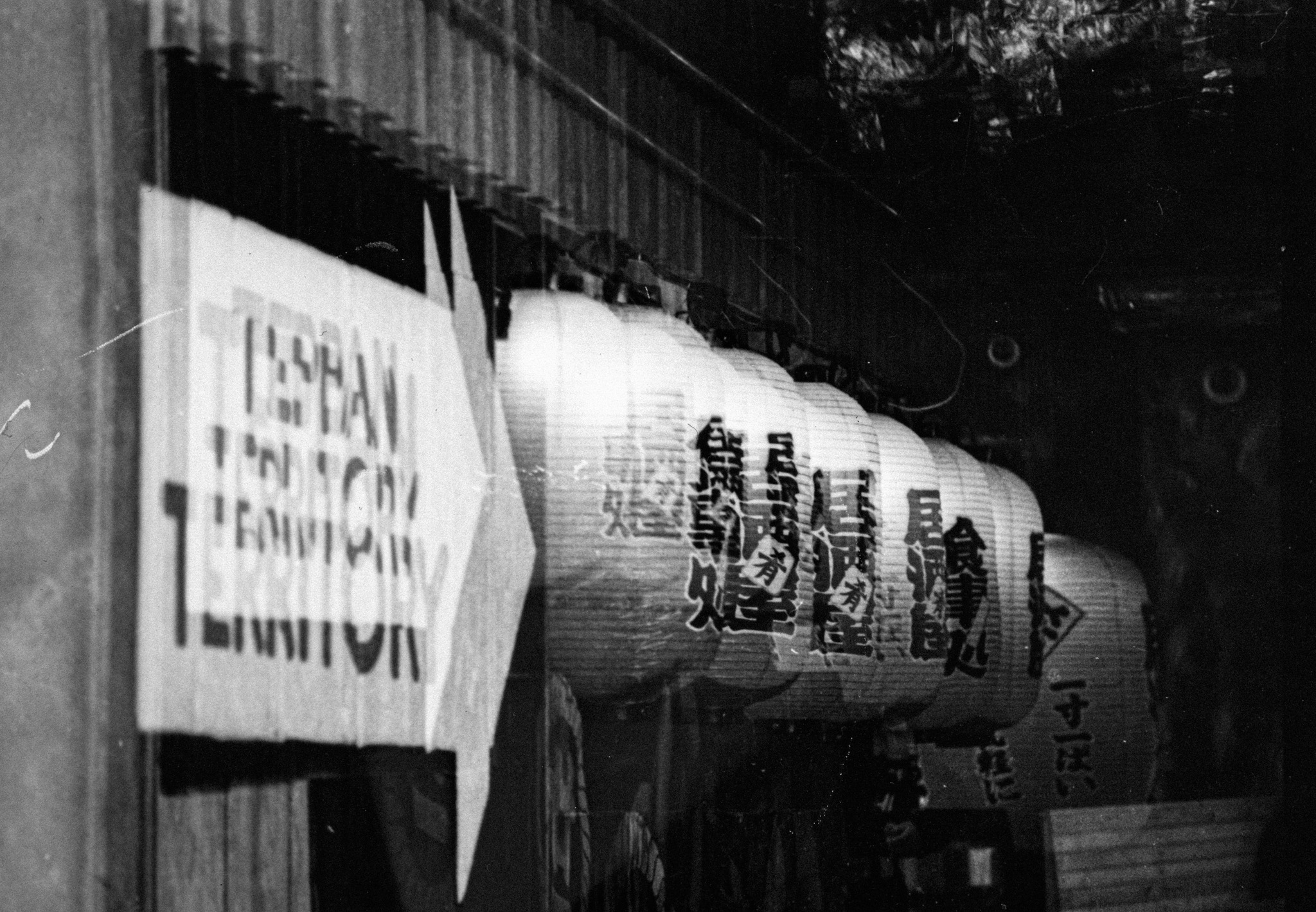
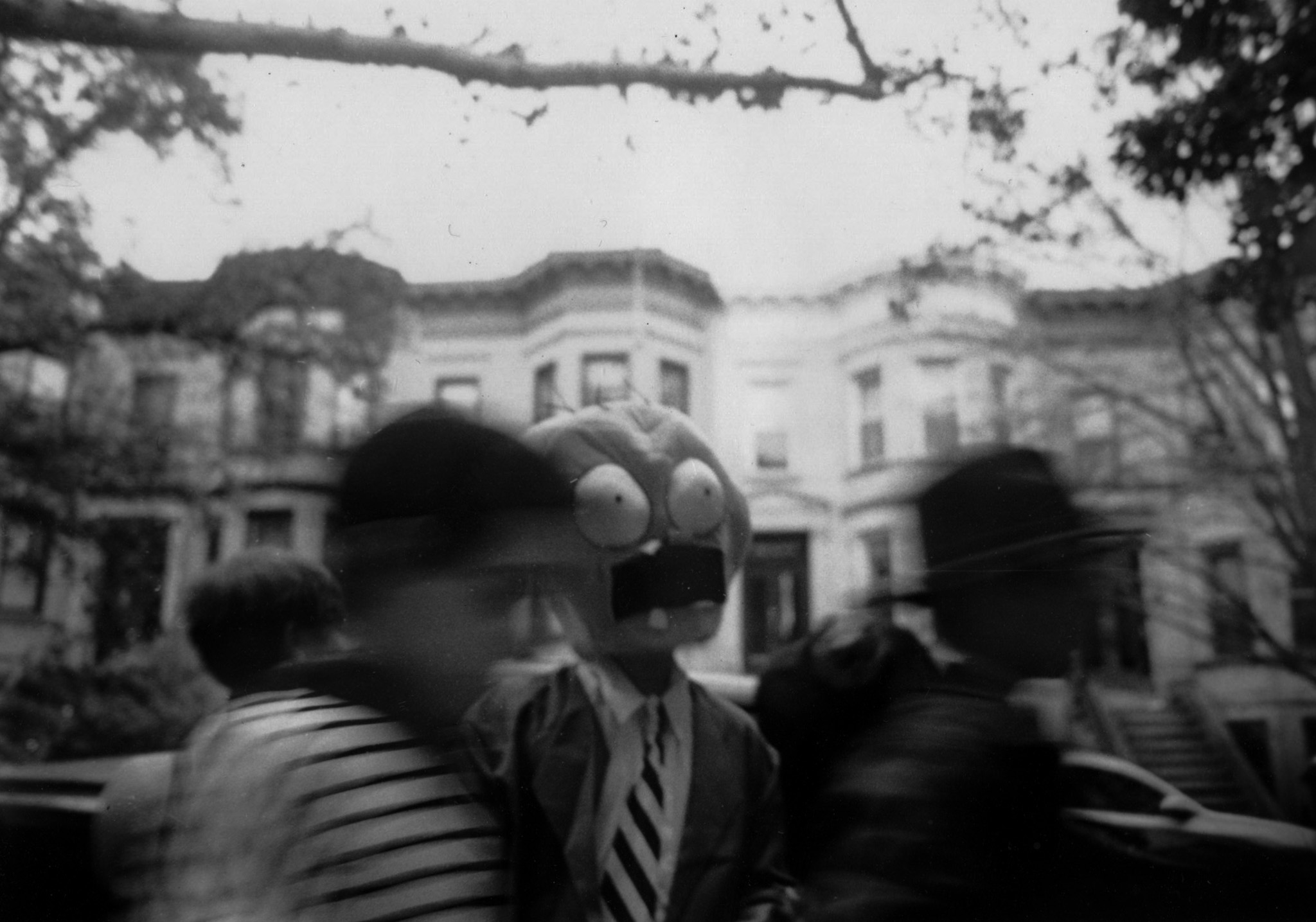
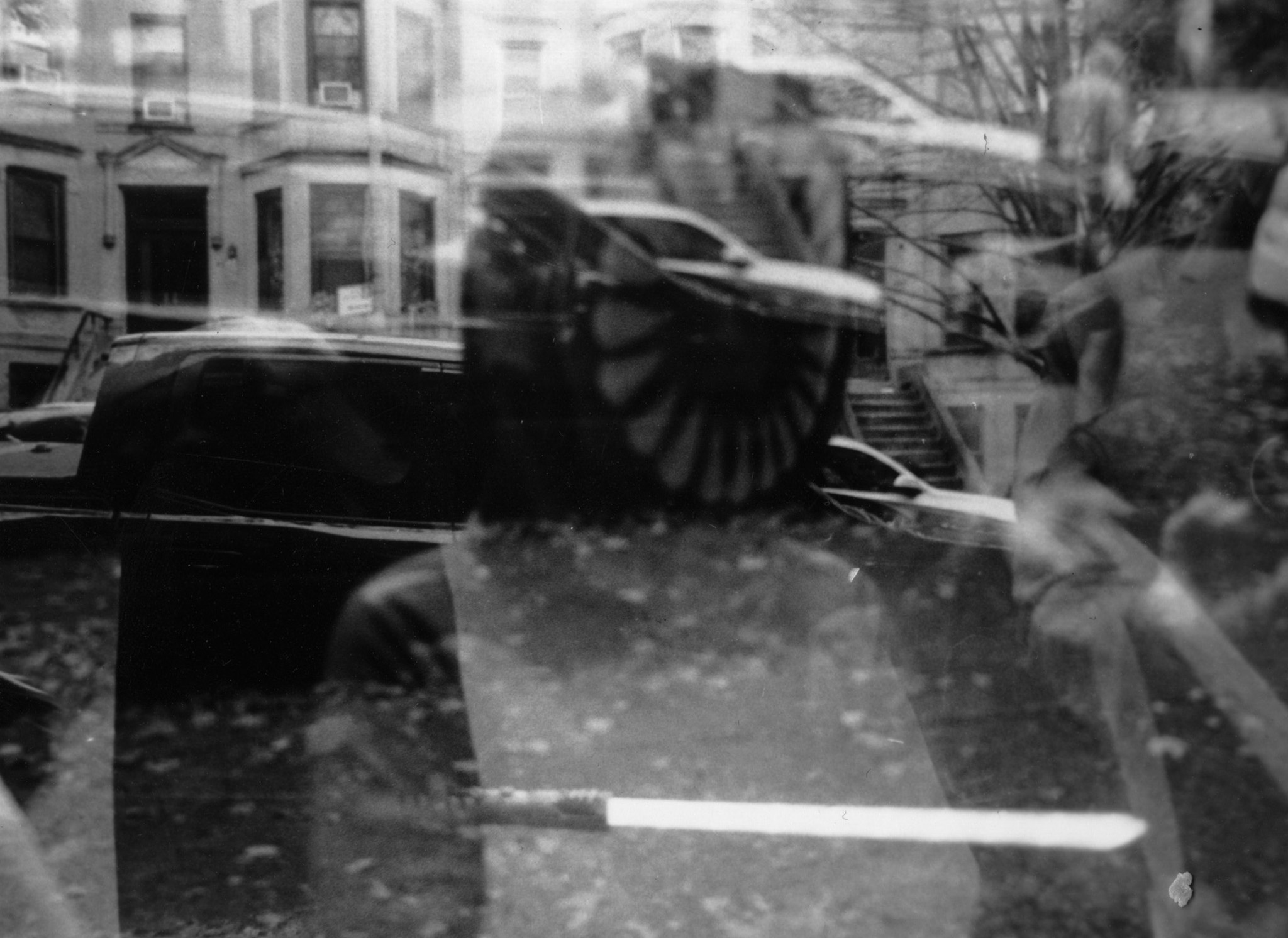
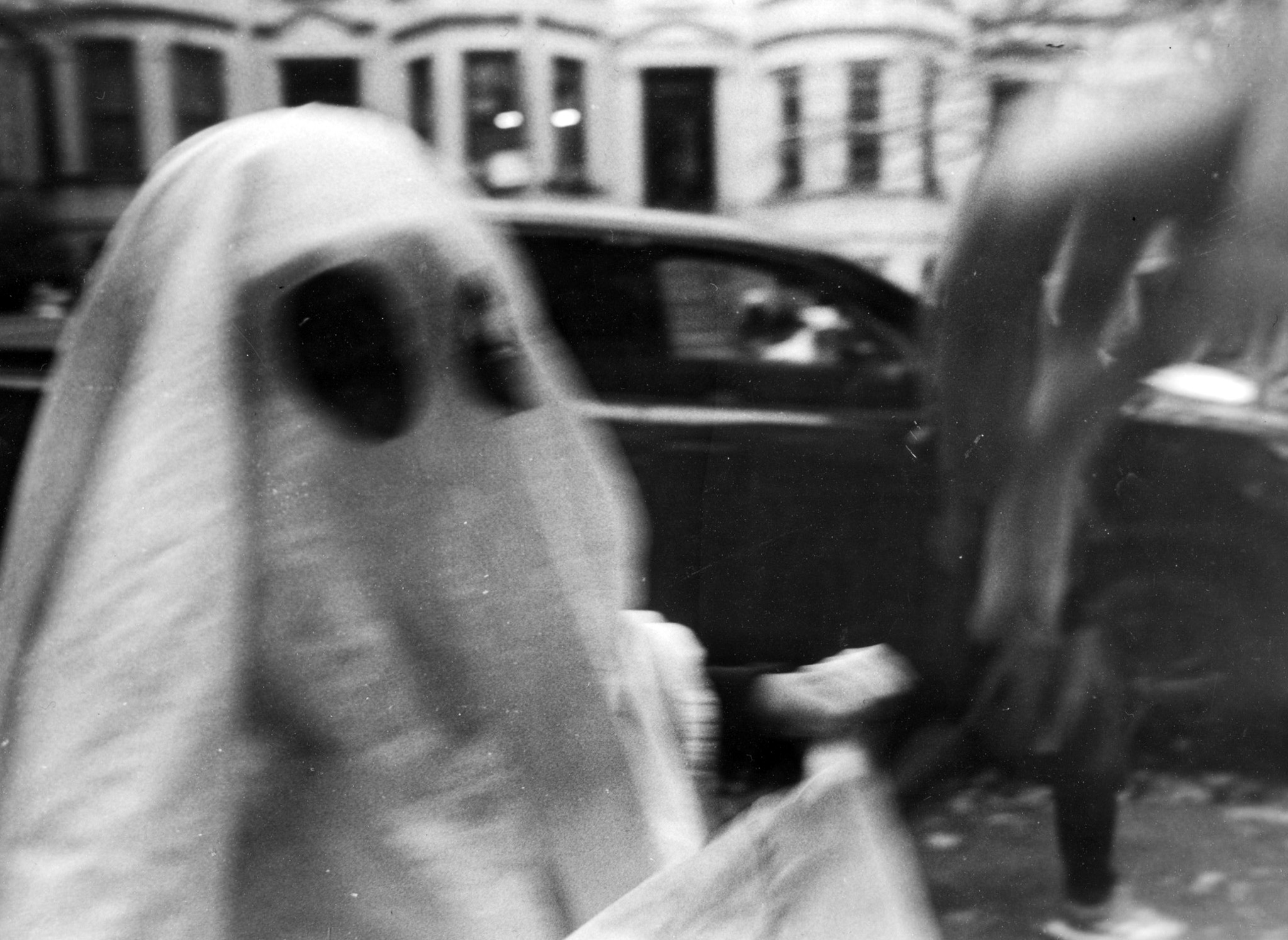
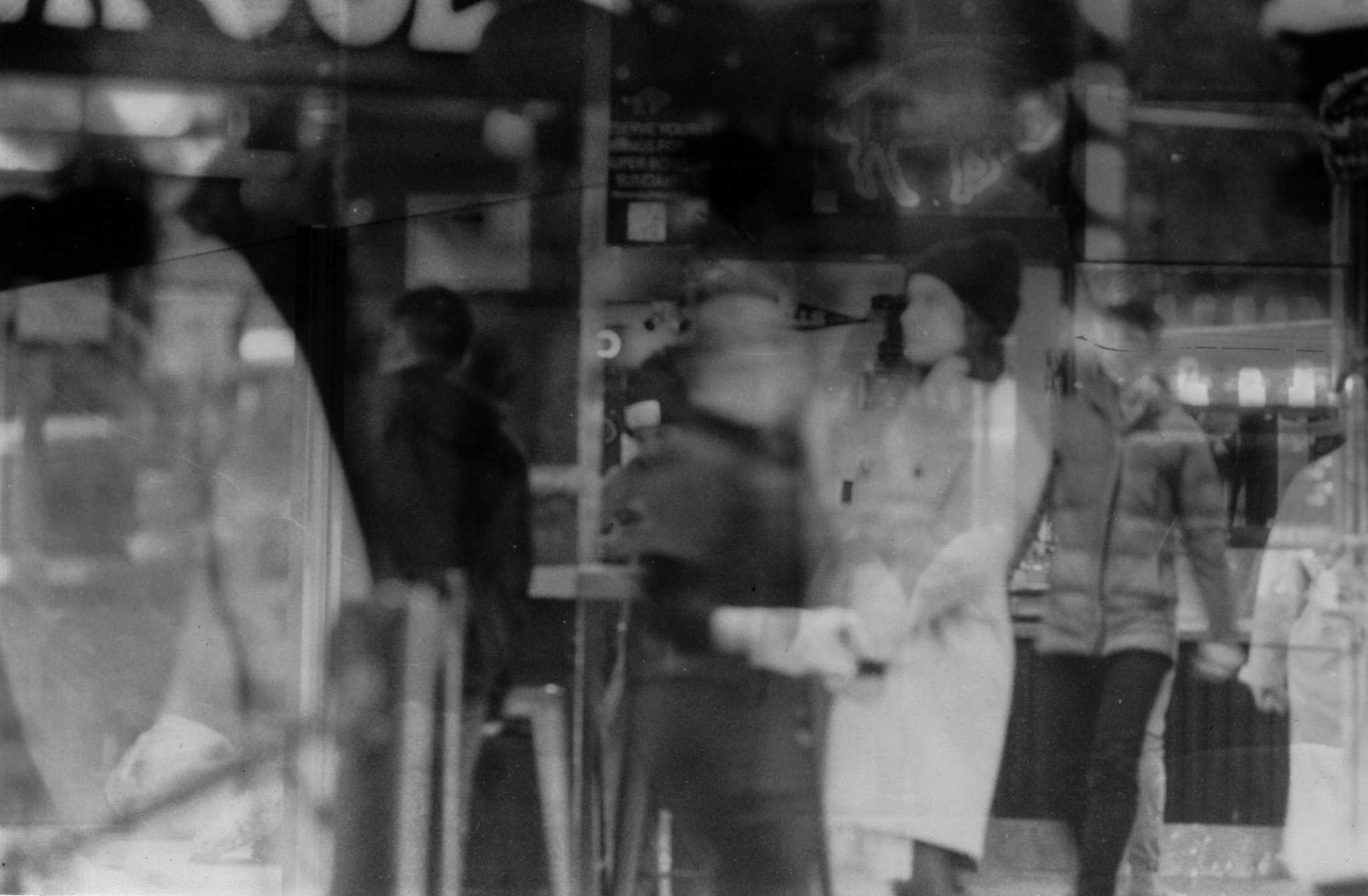
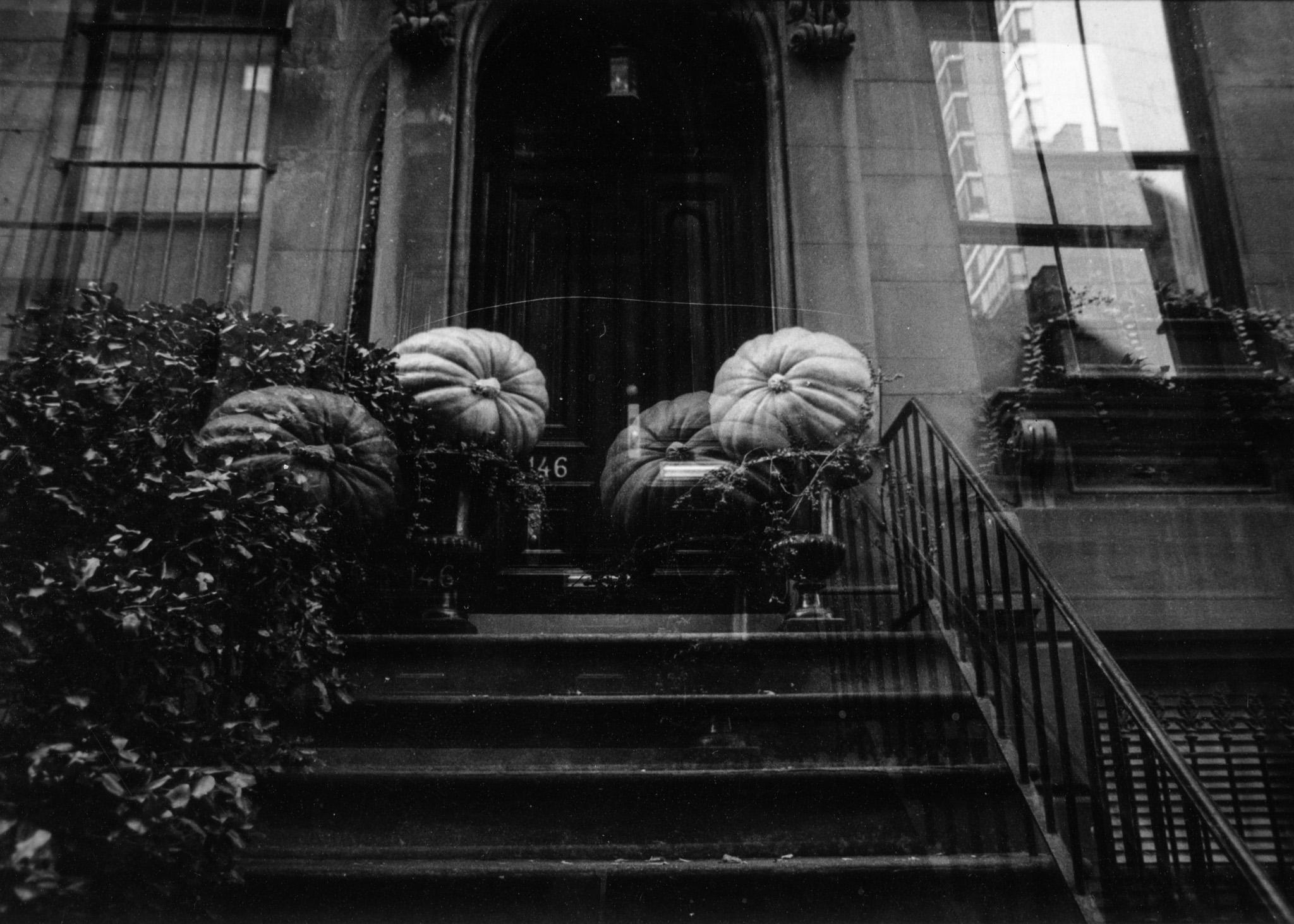
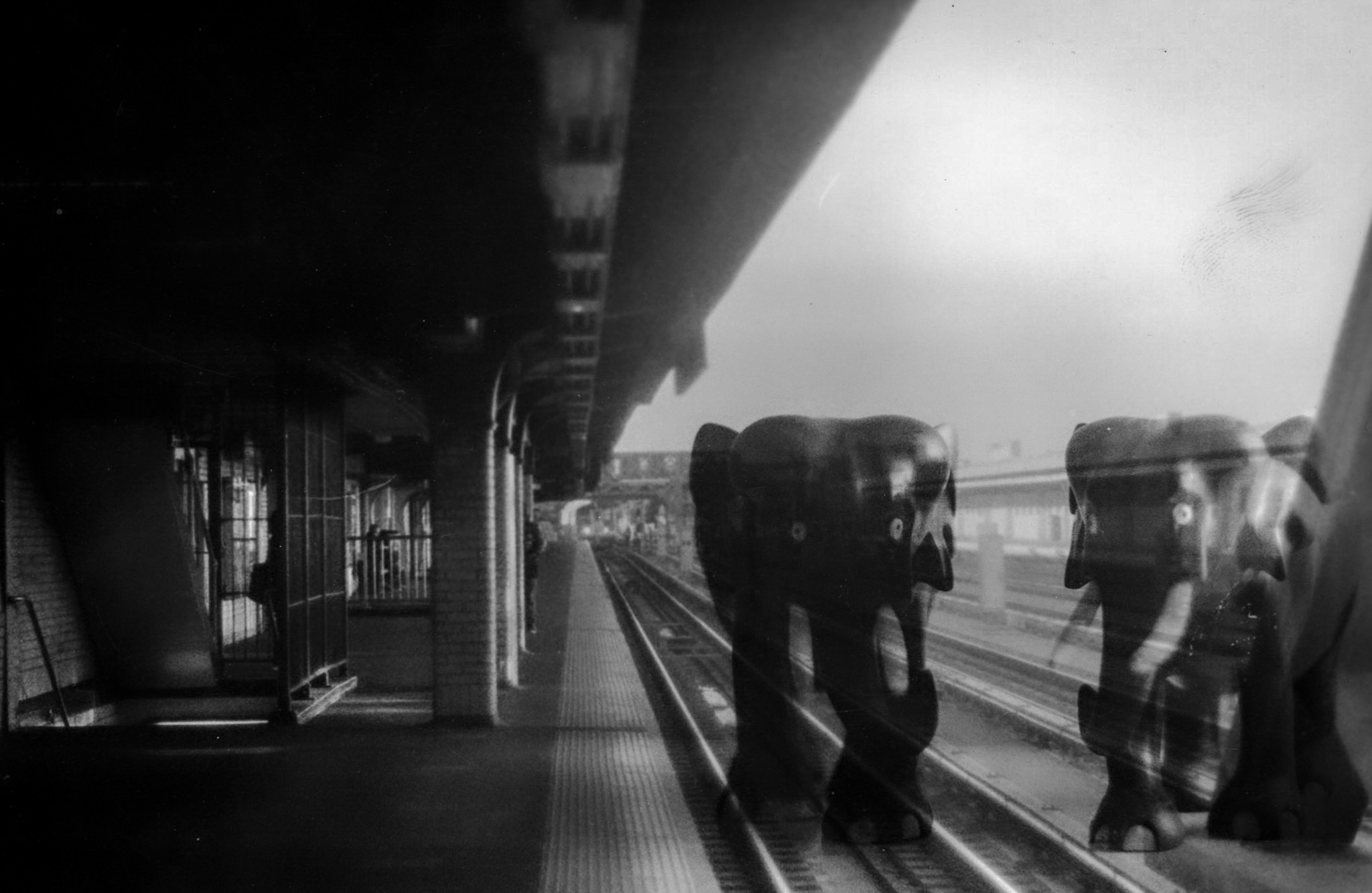
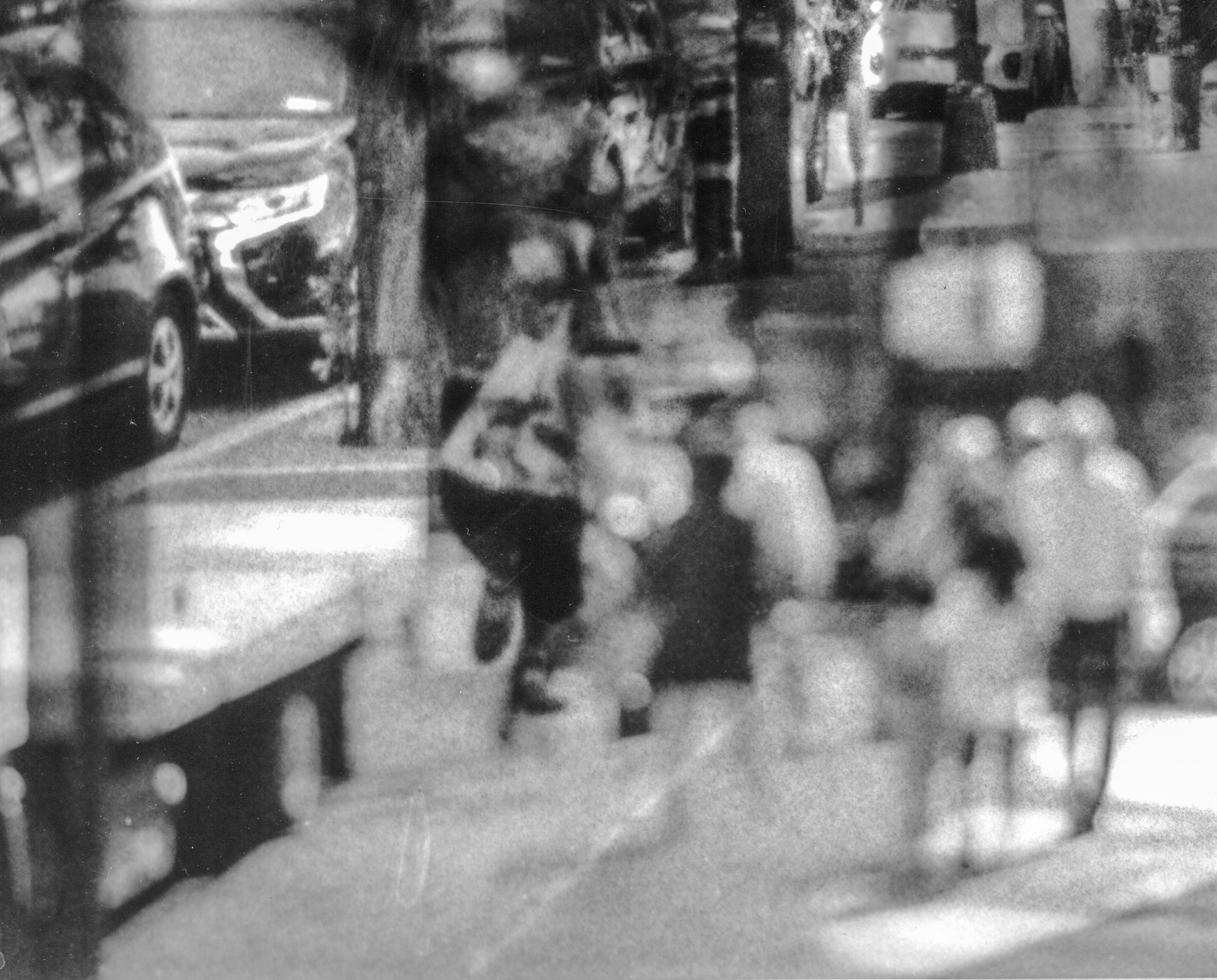
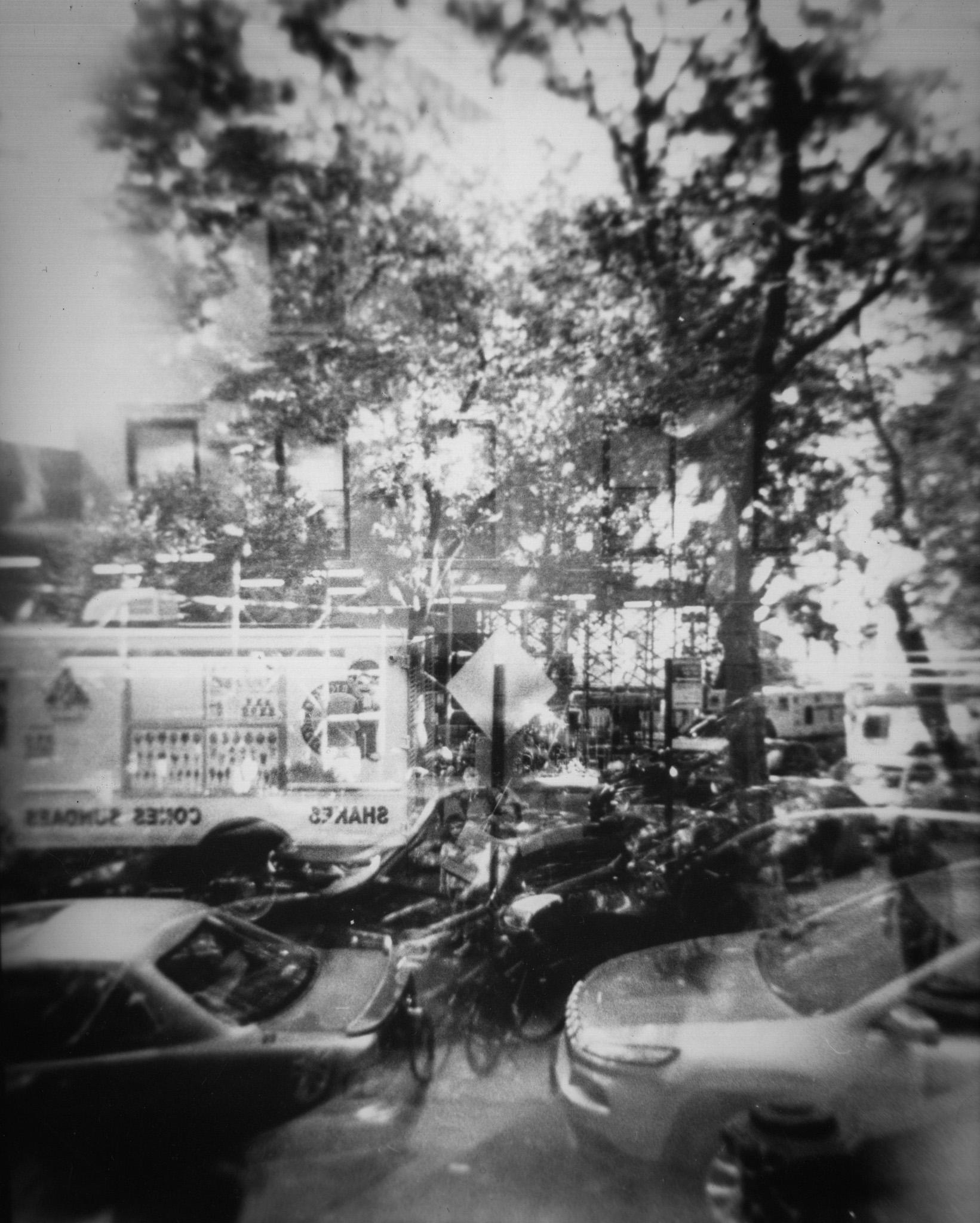
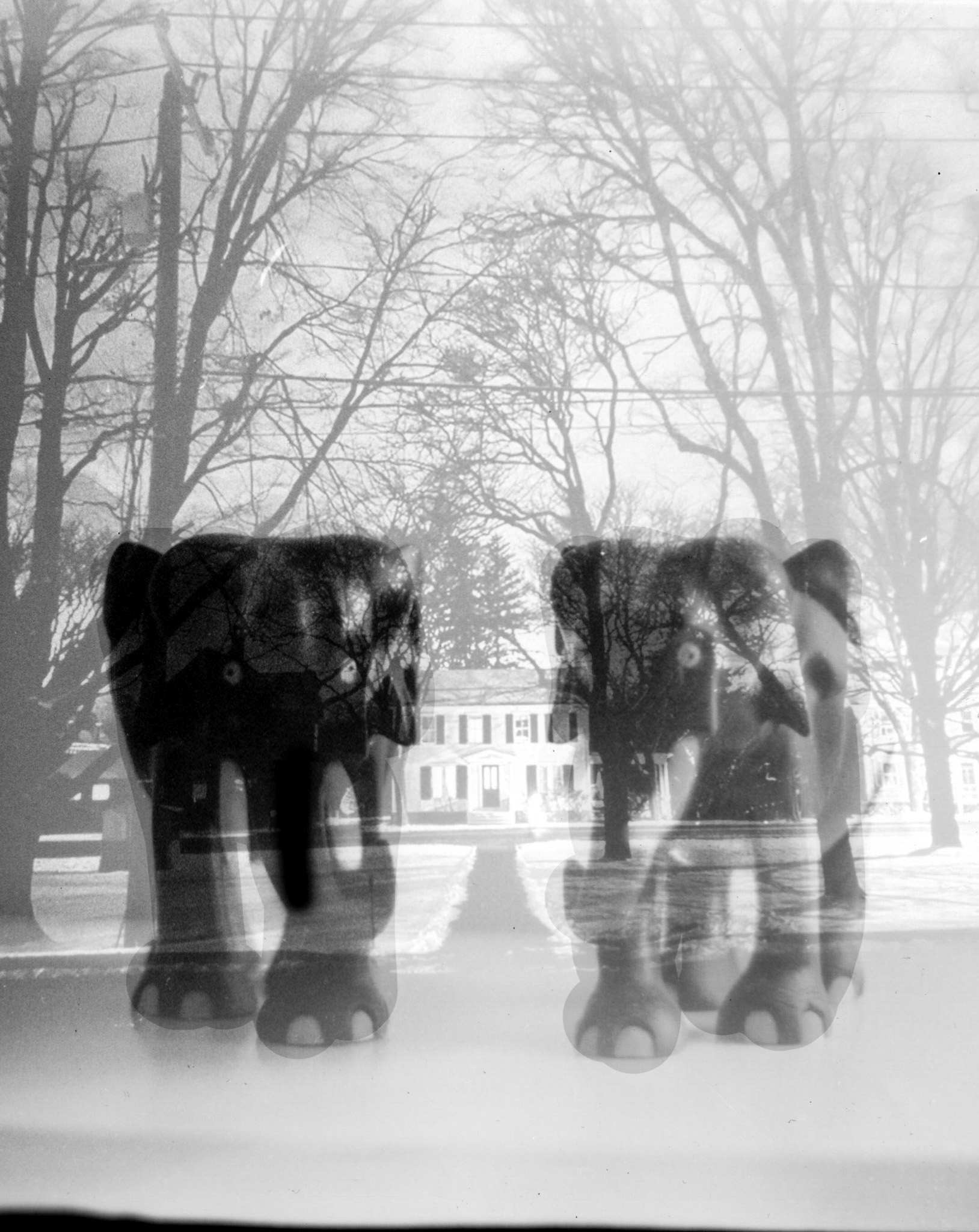
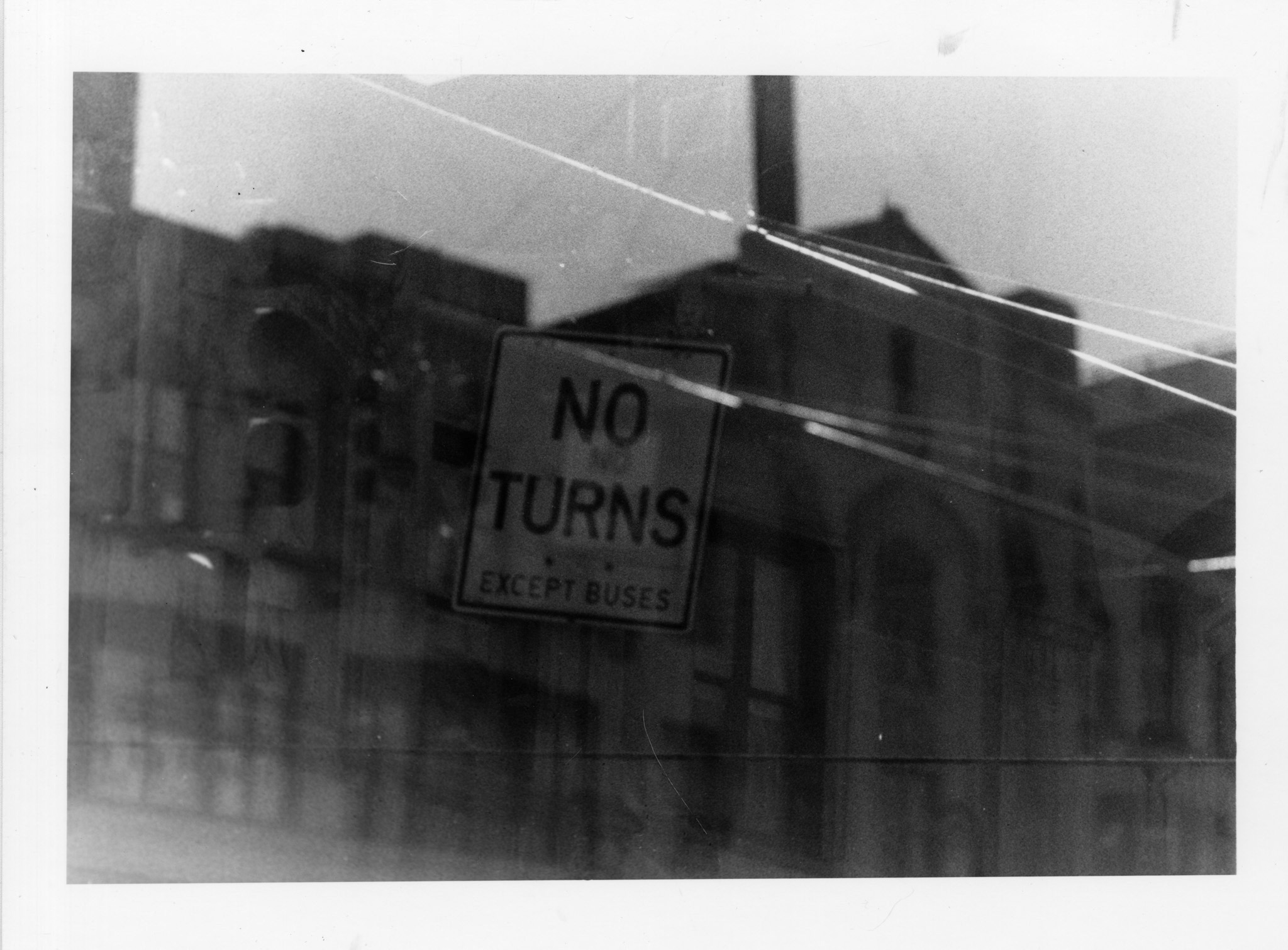
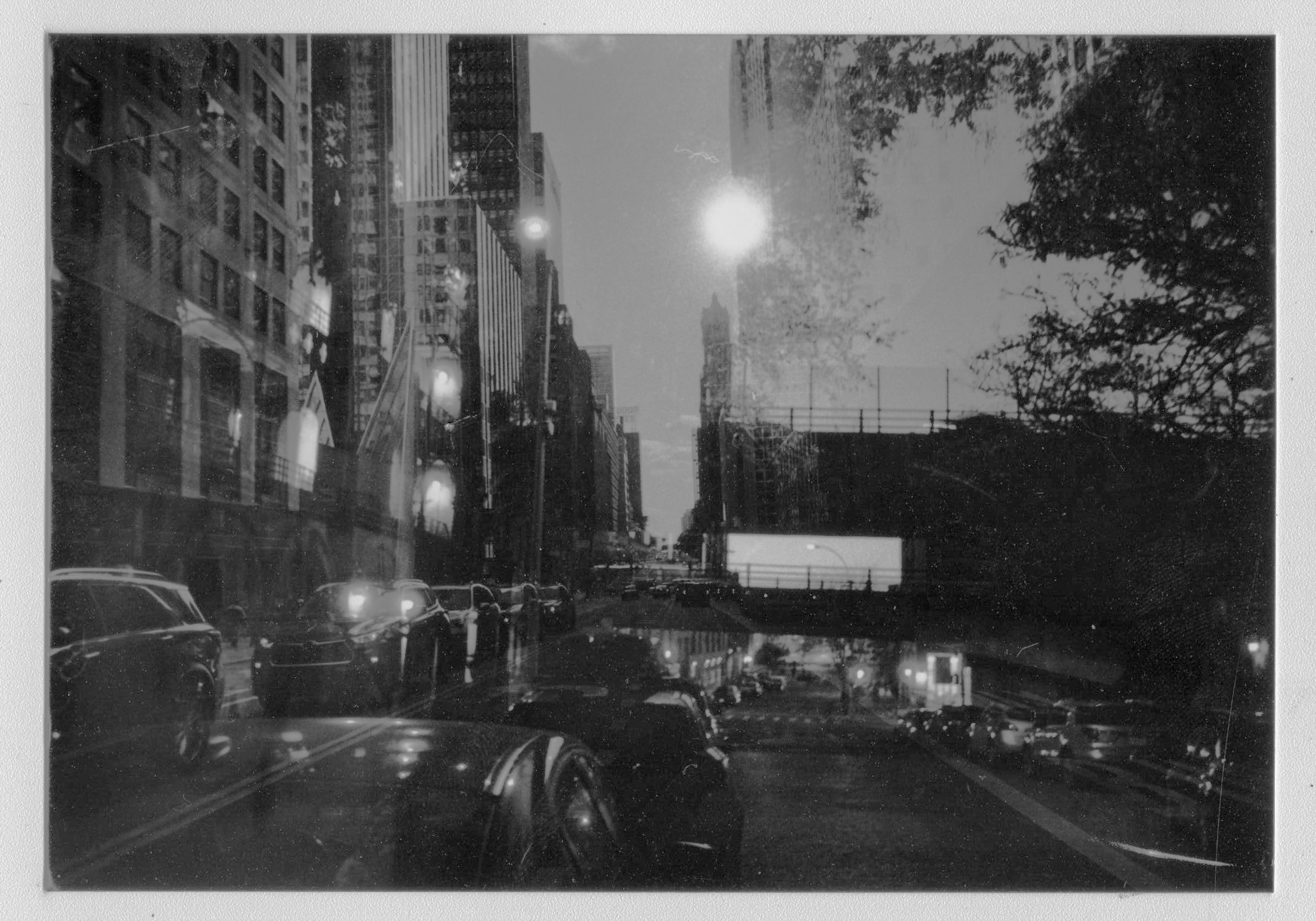
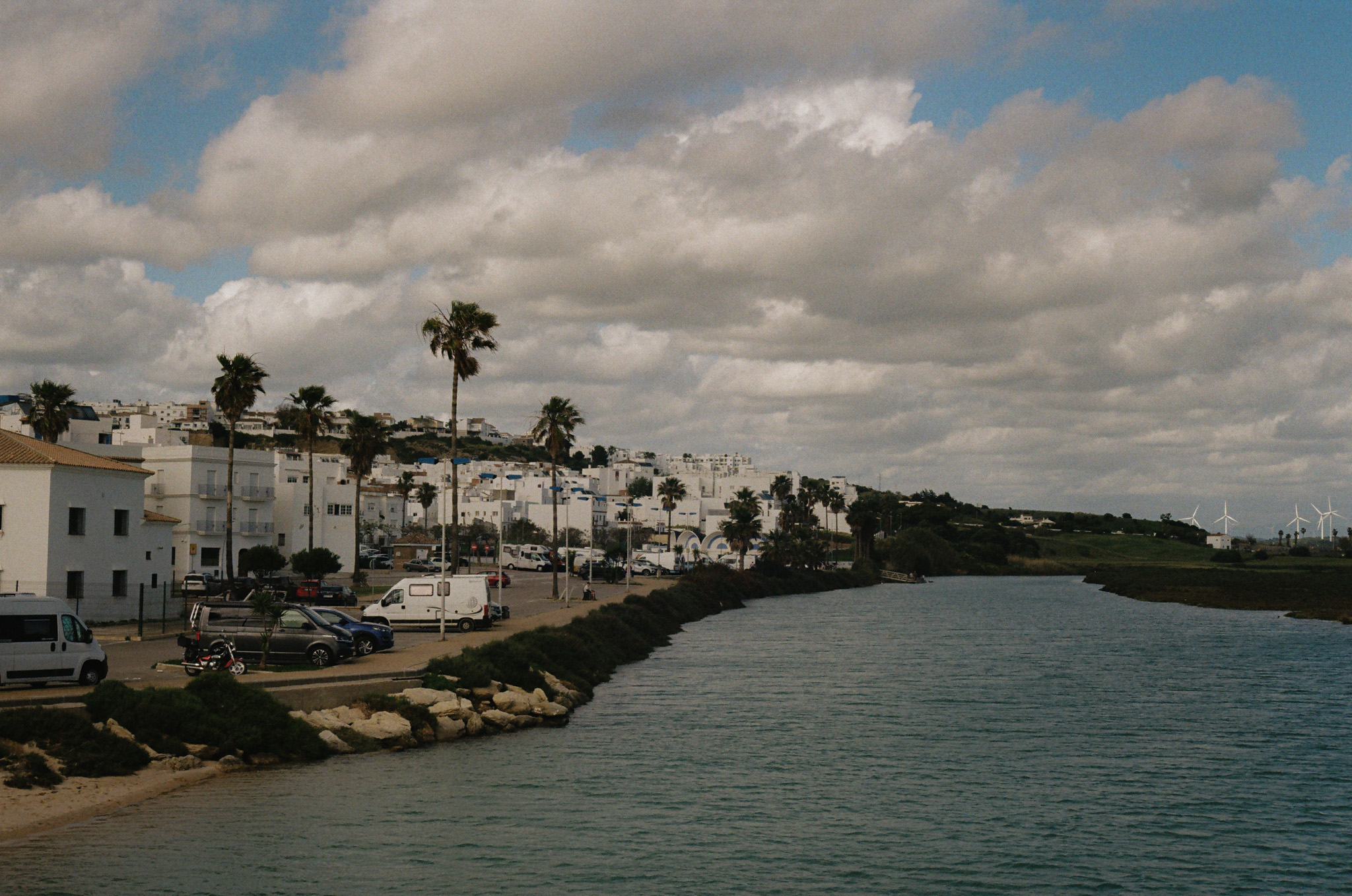
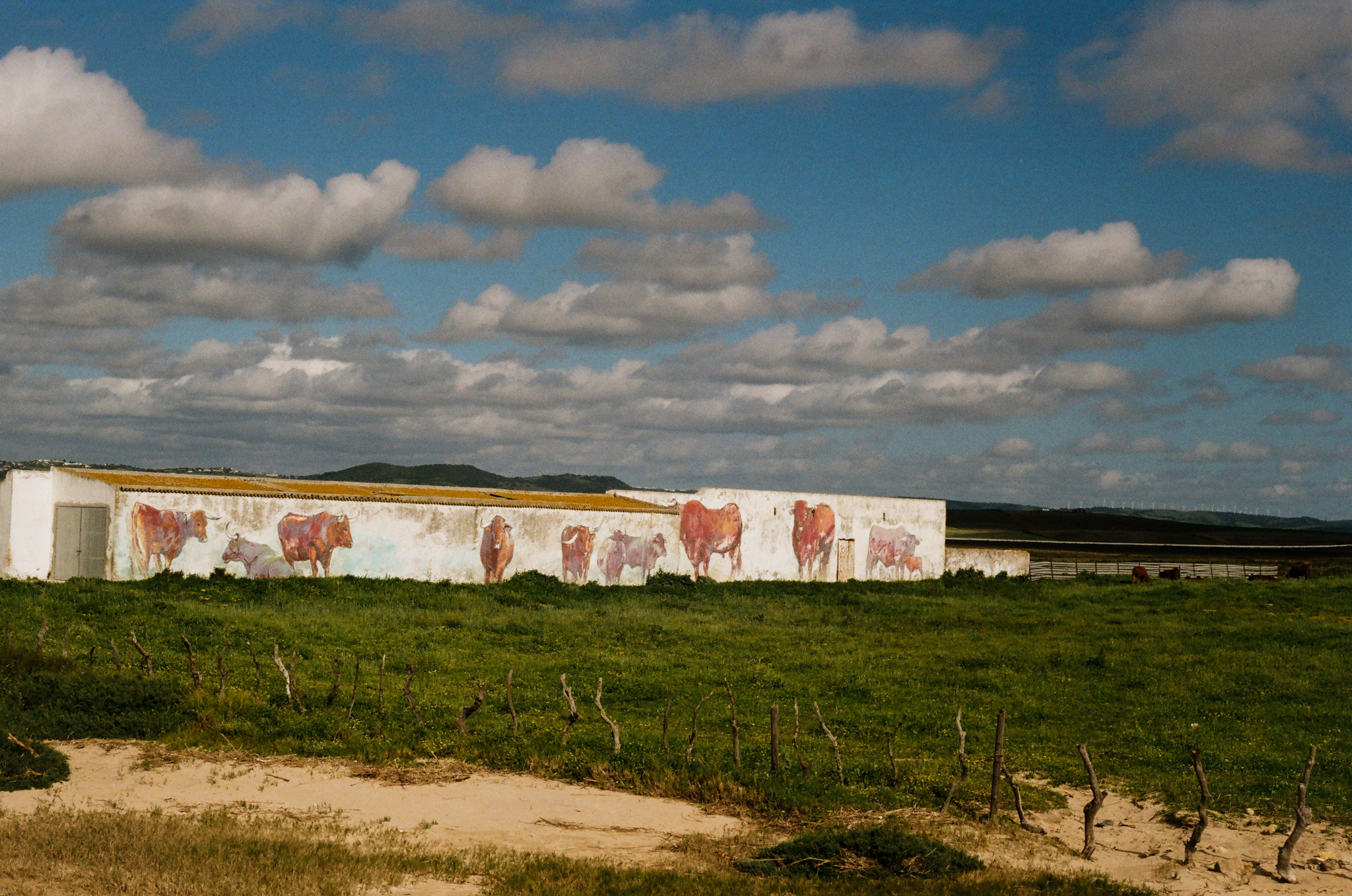
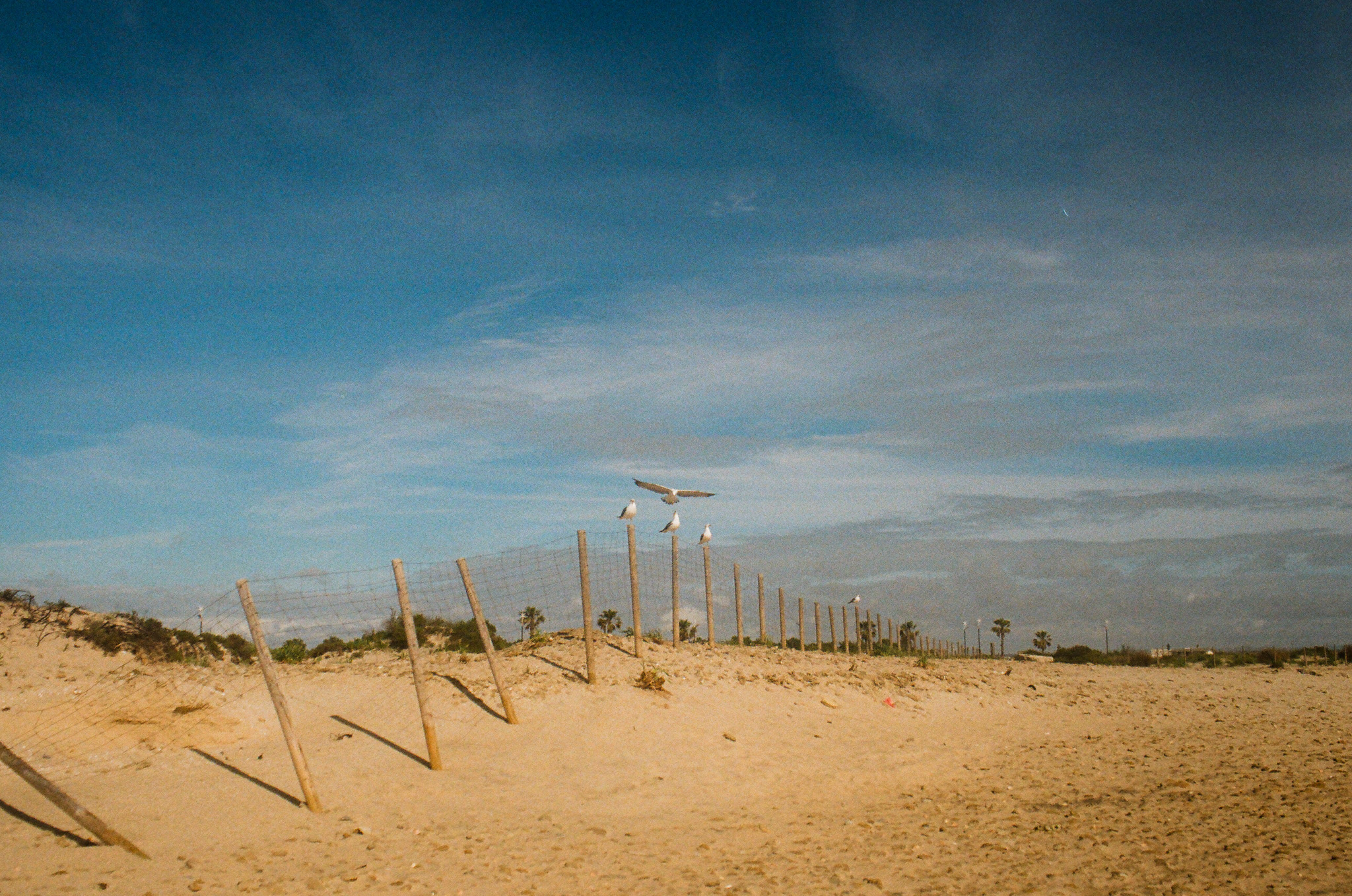
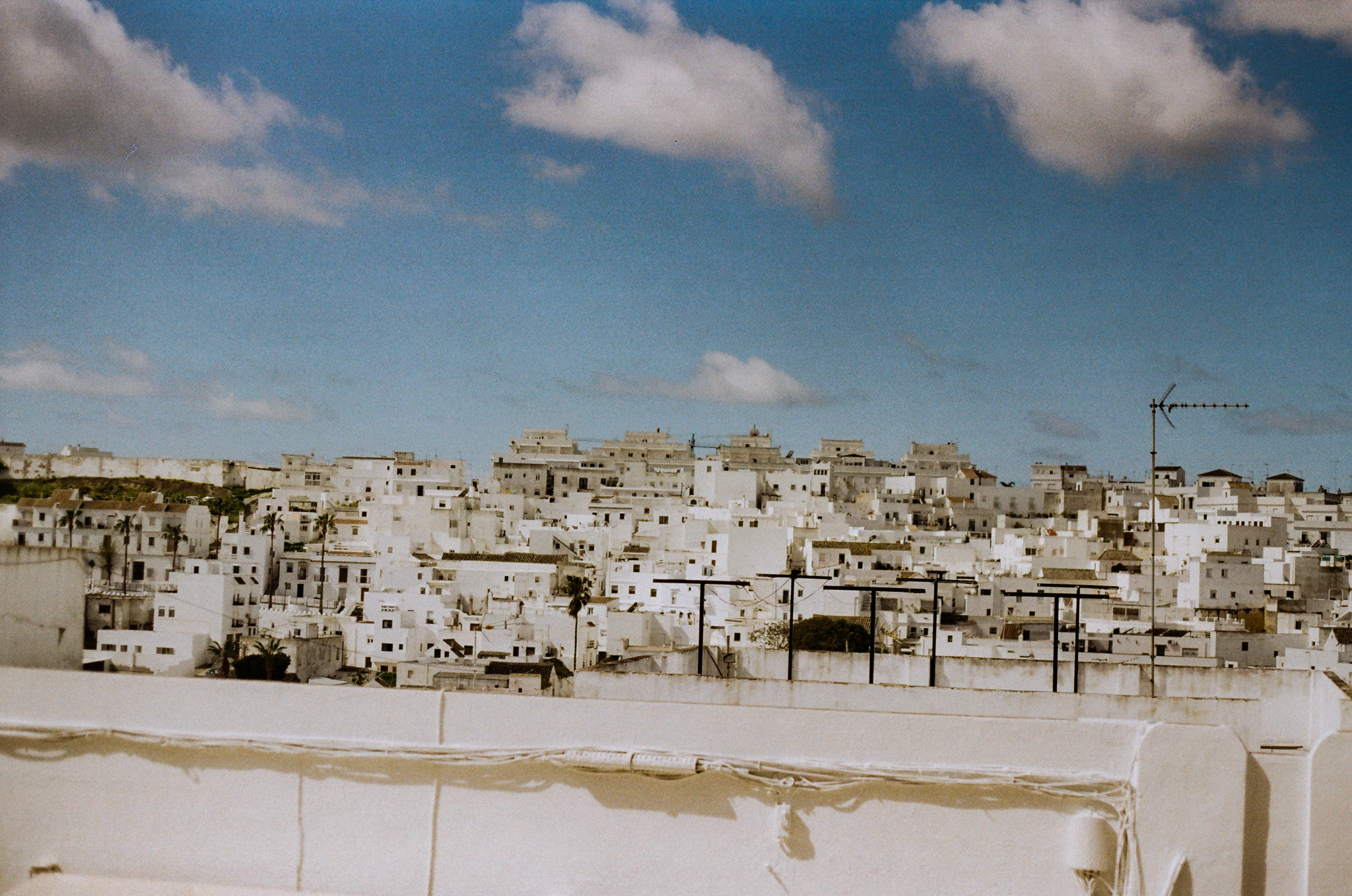
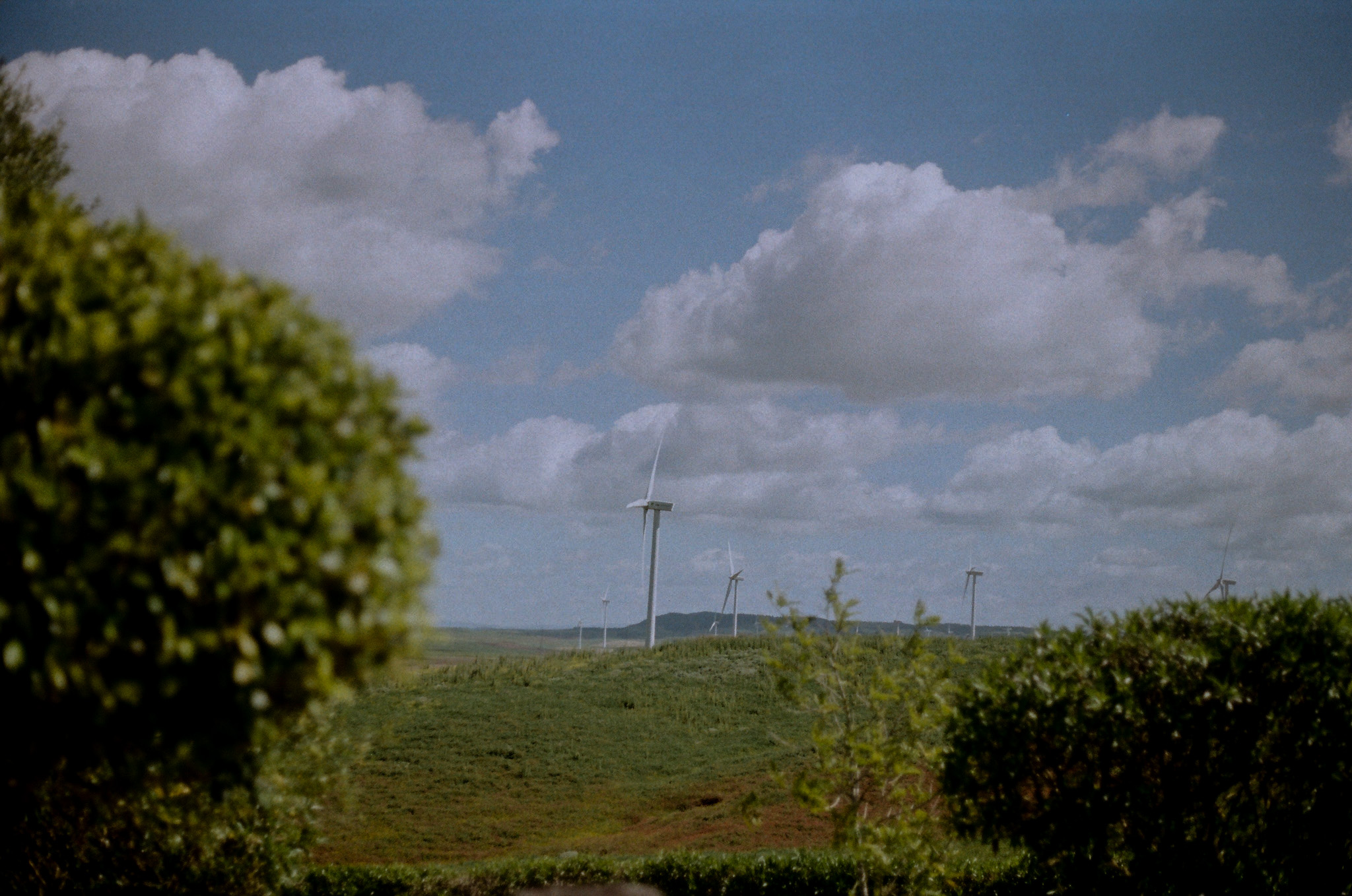
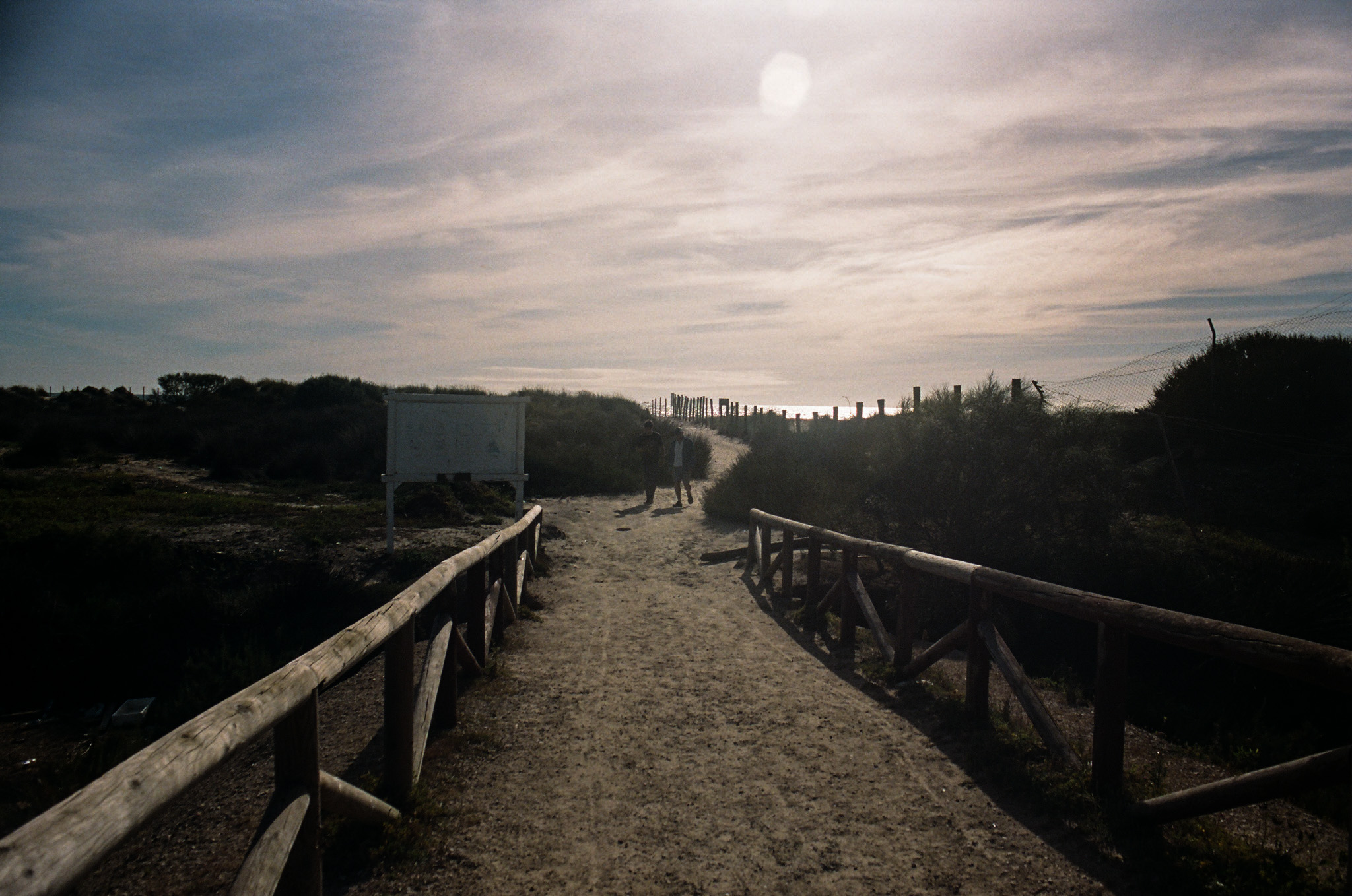
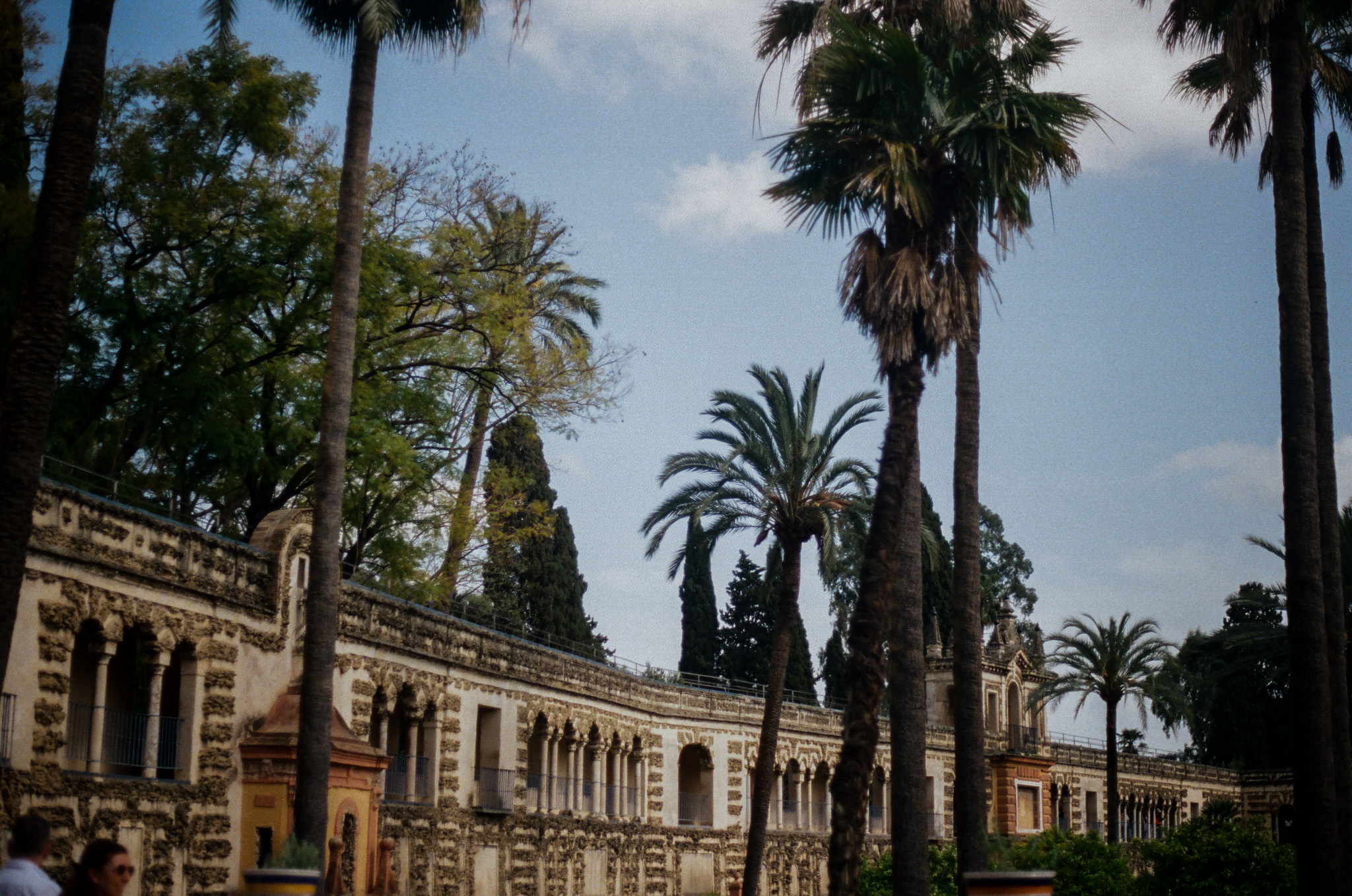
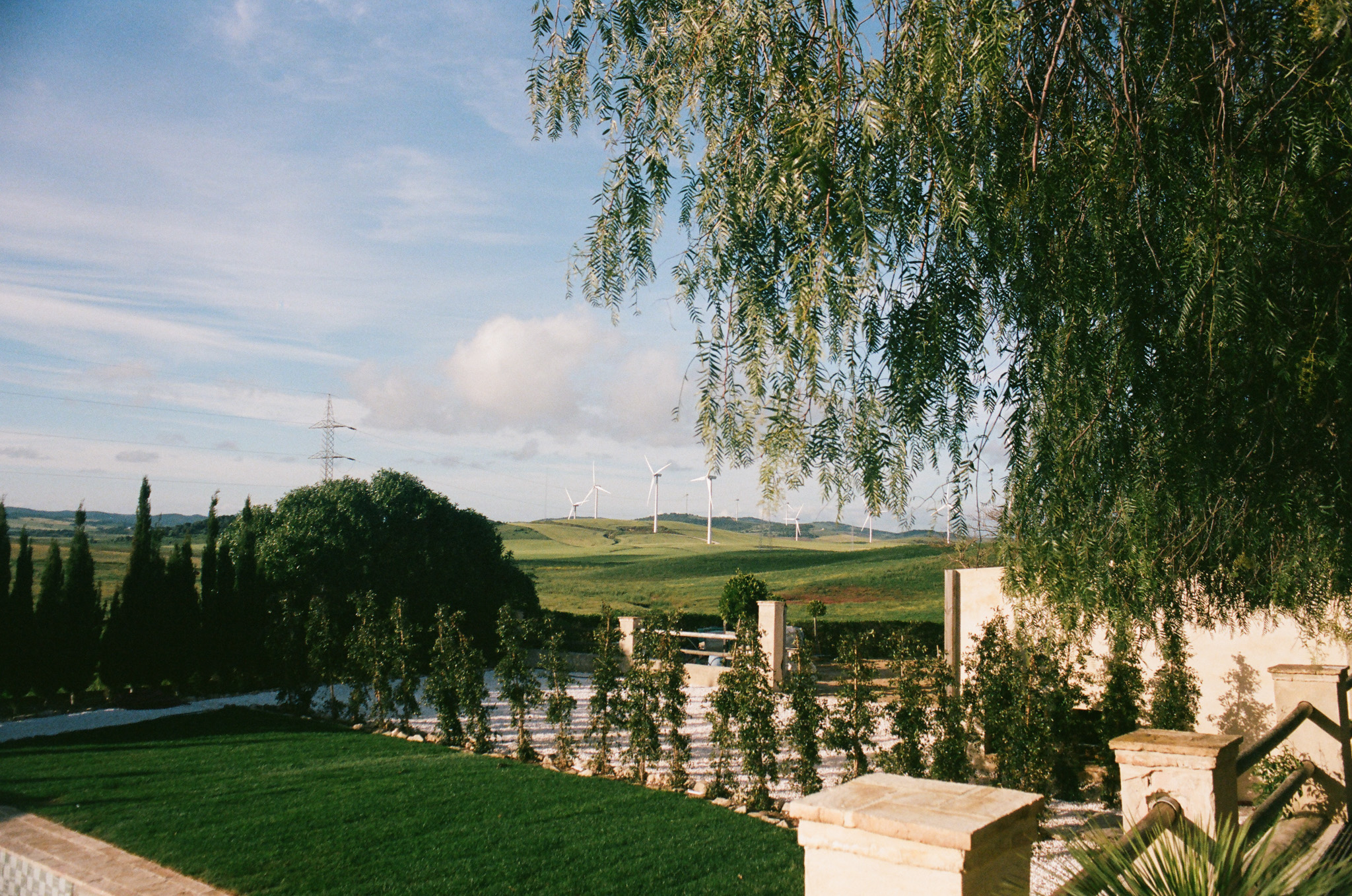
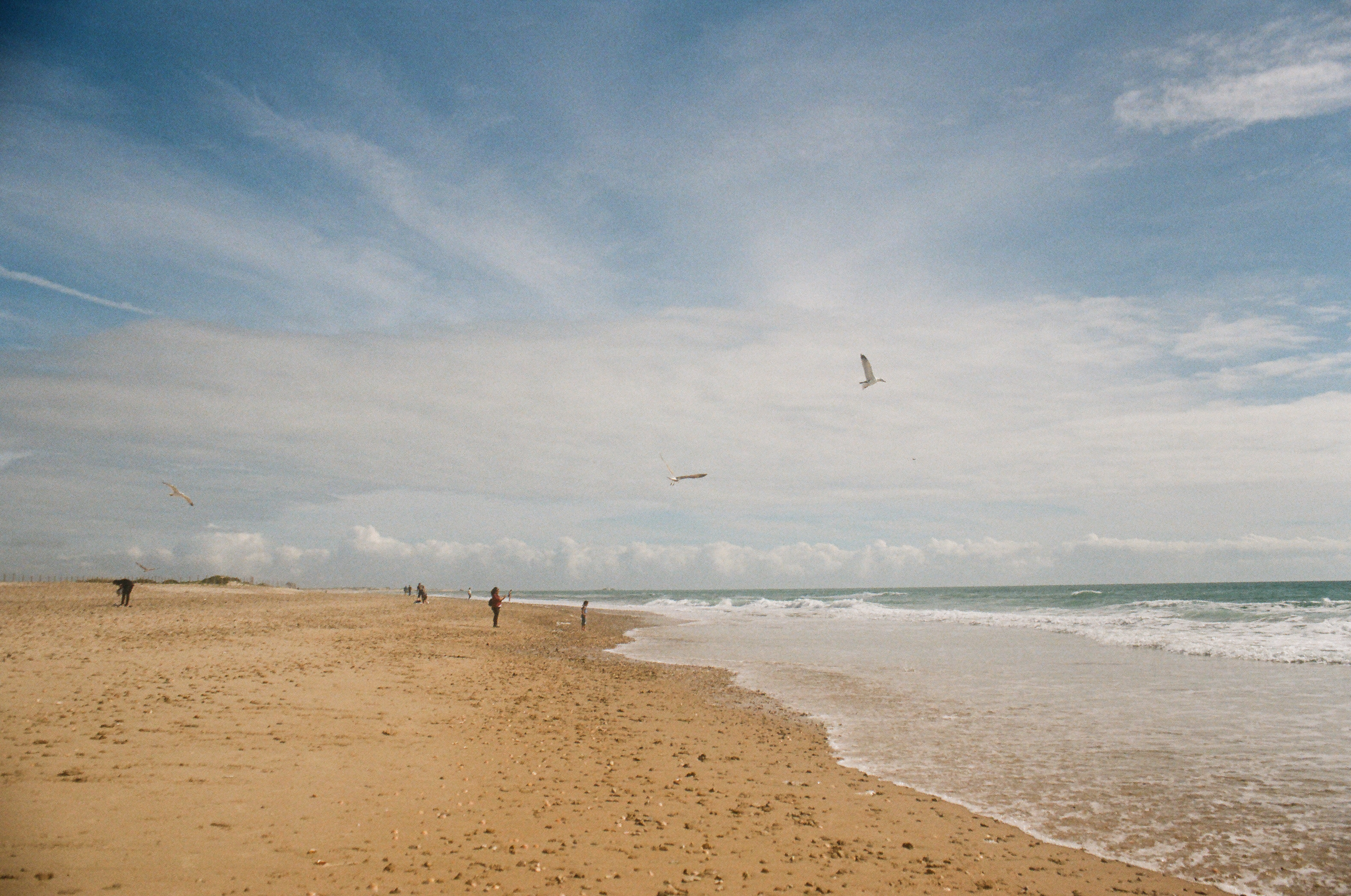
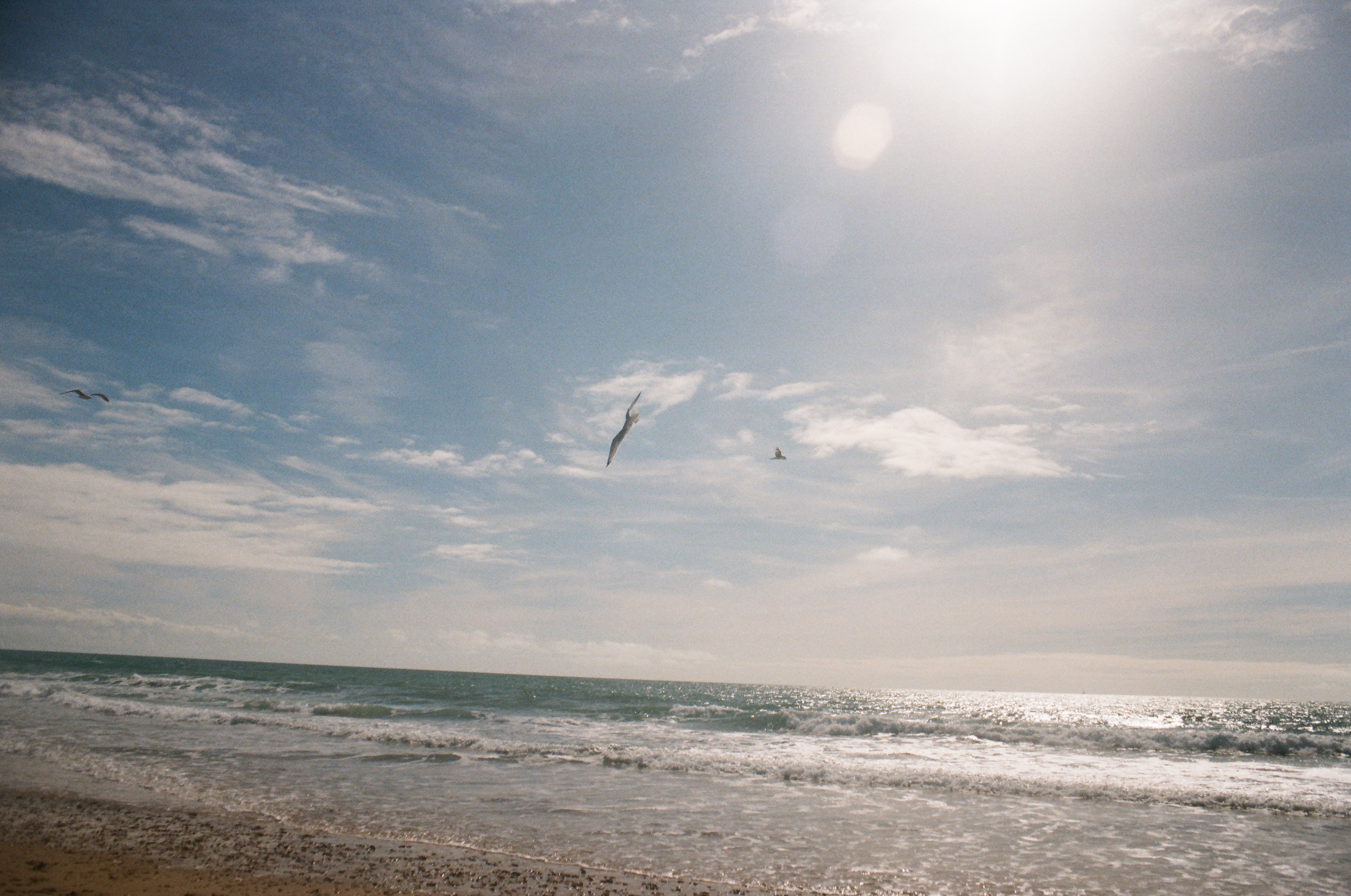
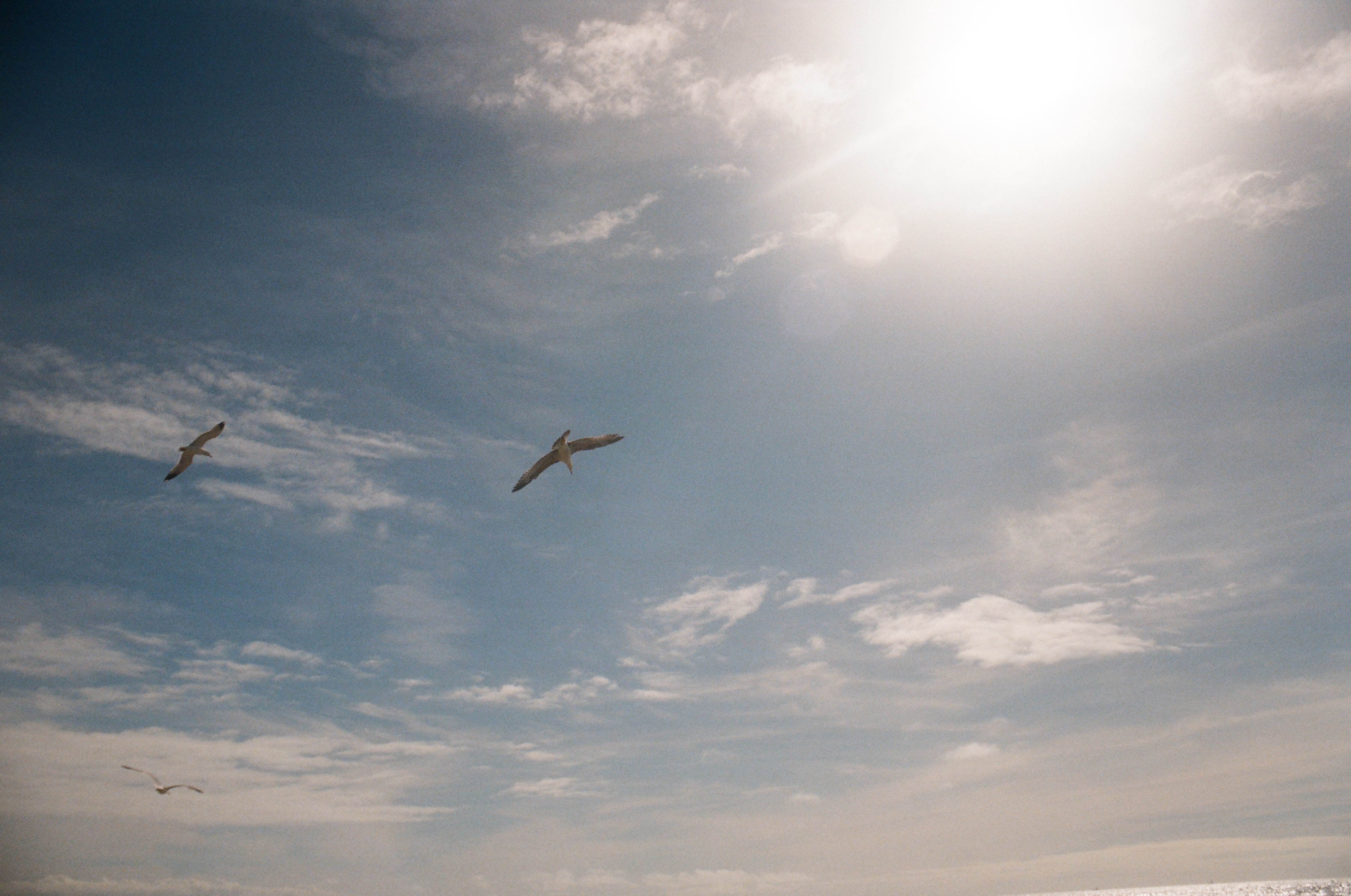
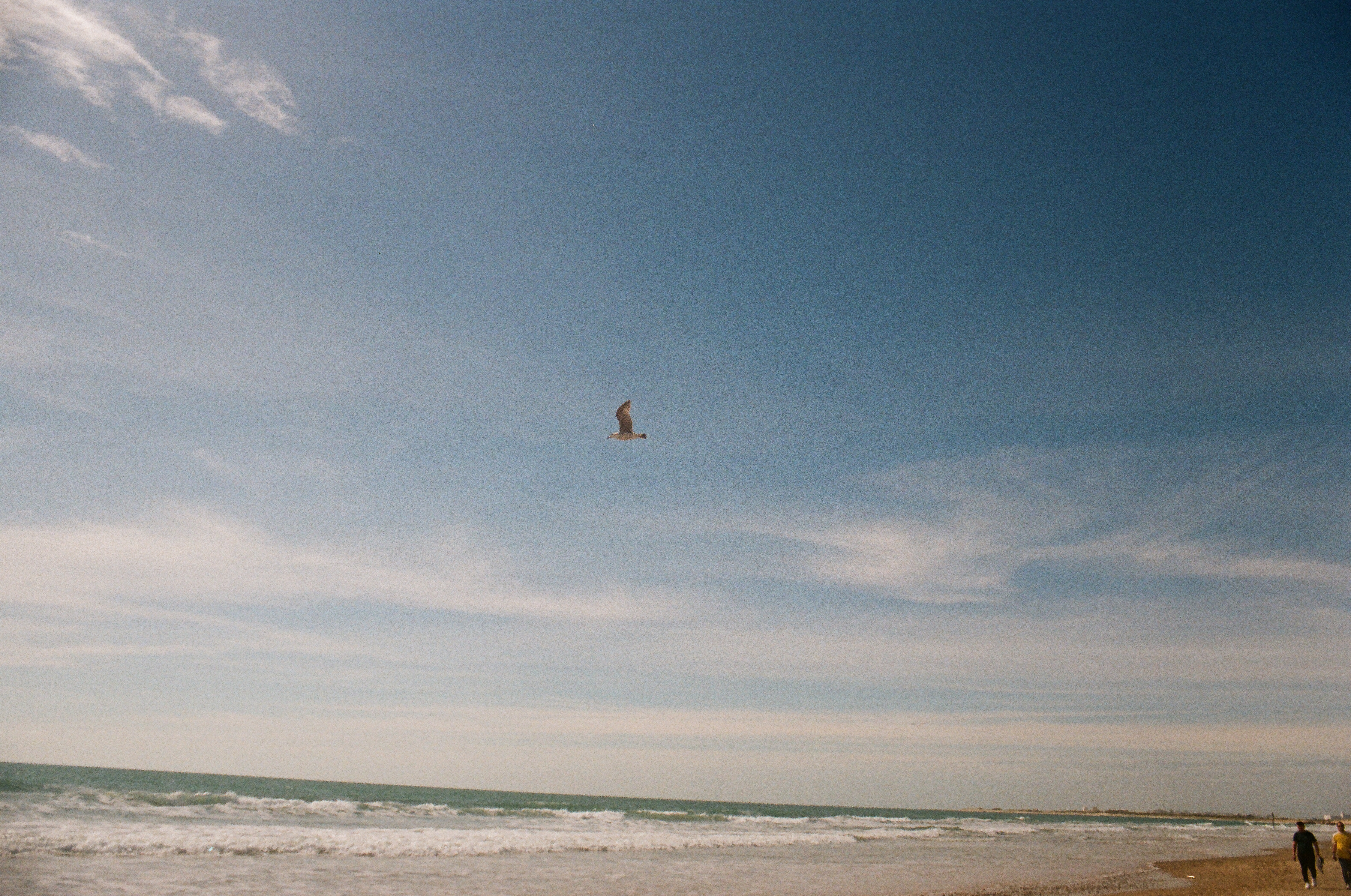
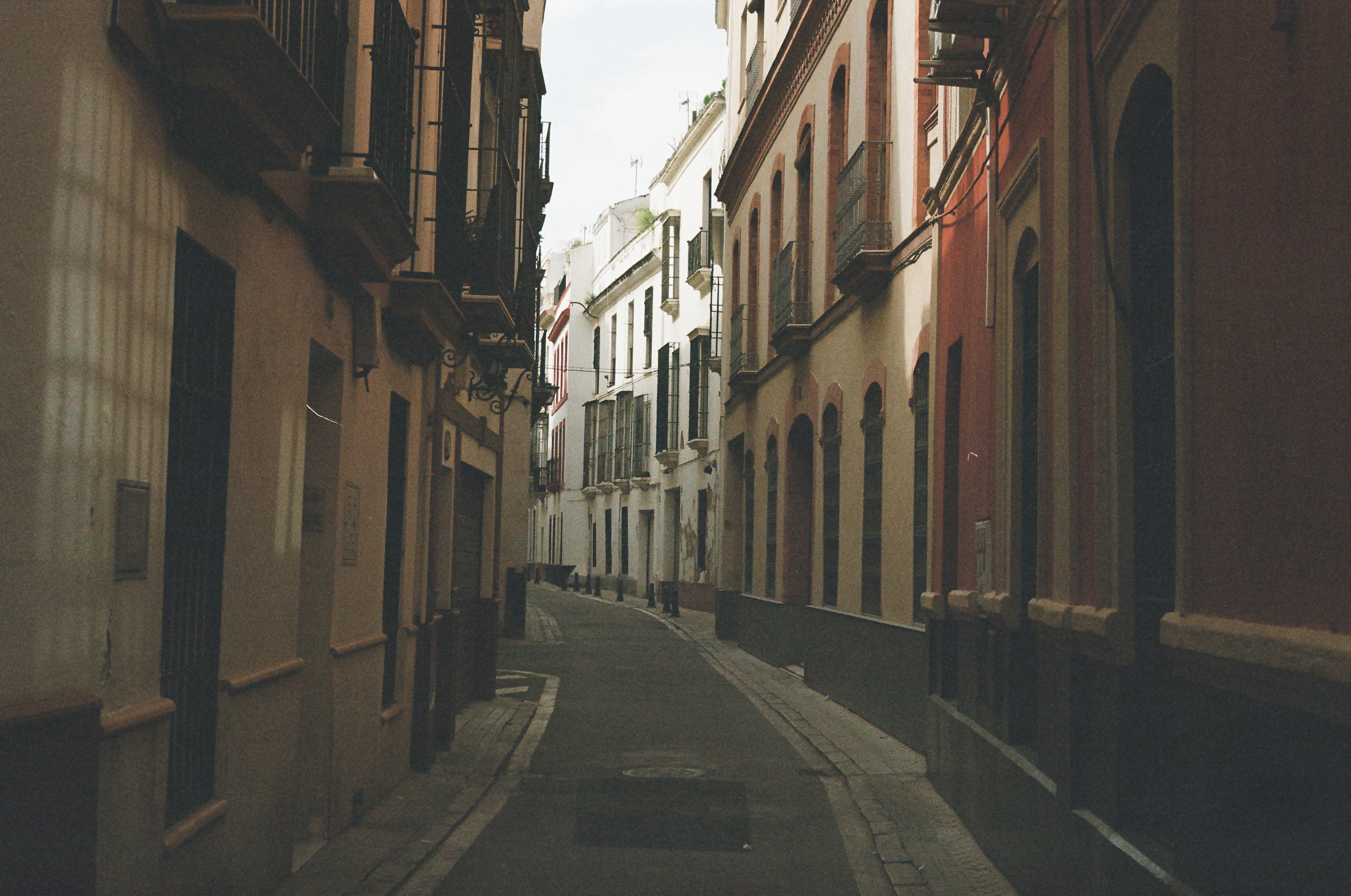
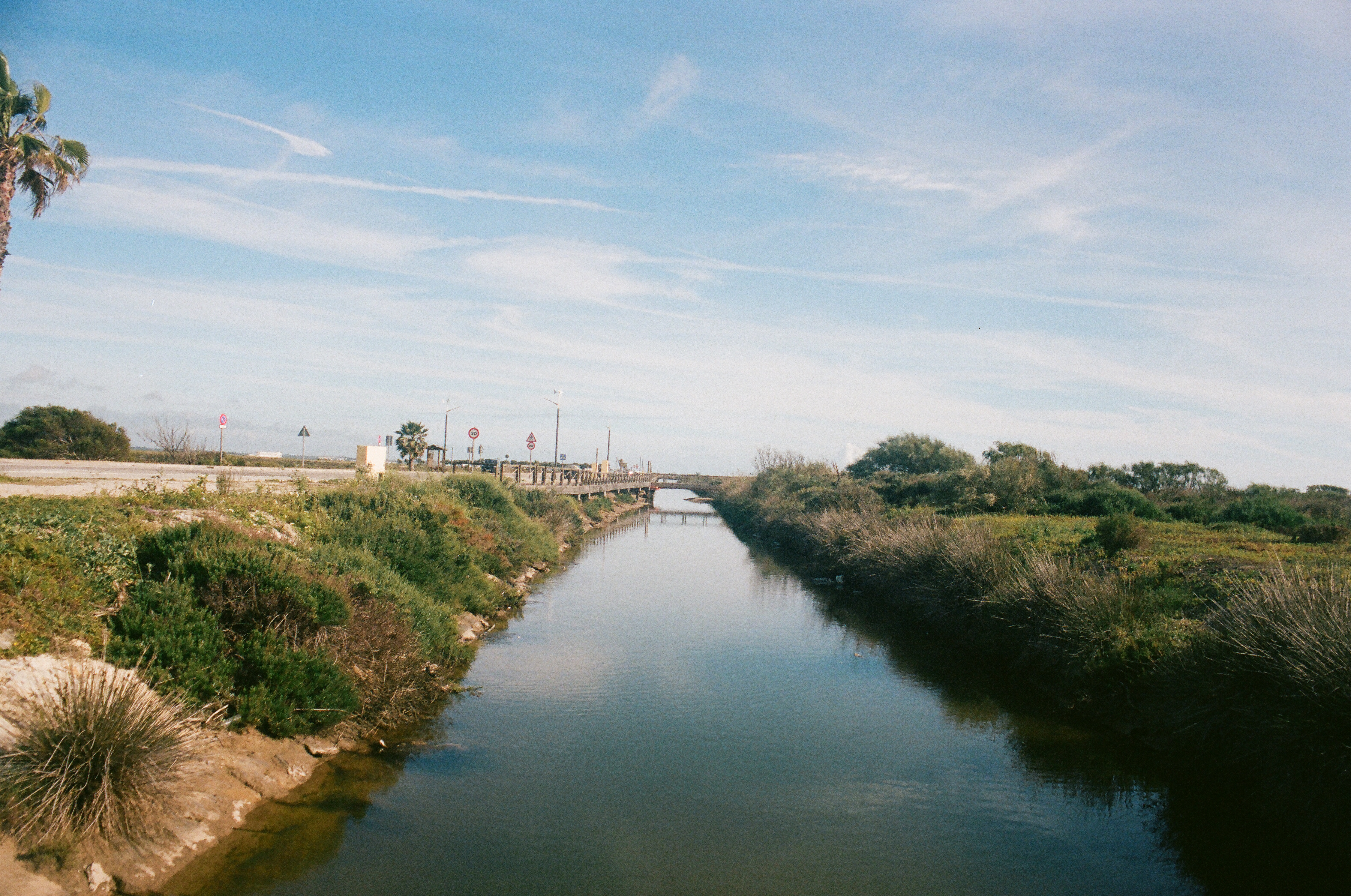
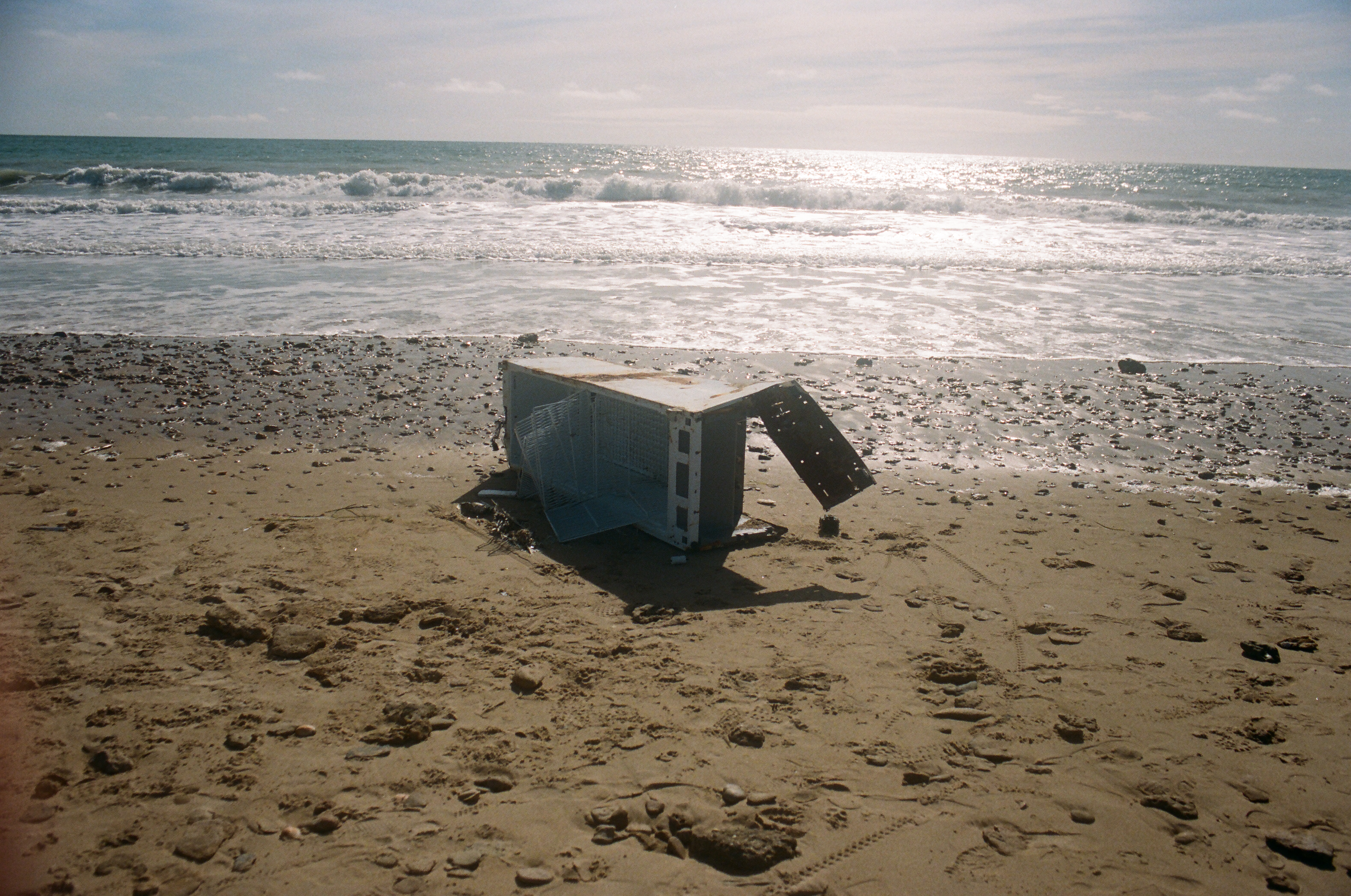
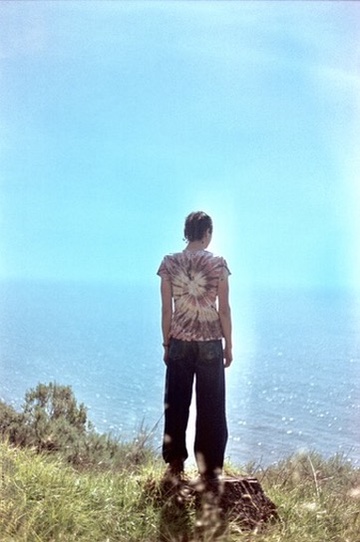
Using a 35mm camera
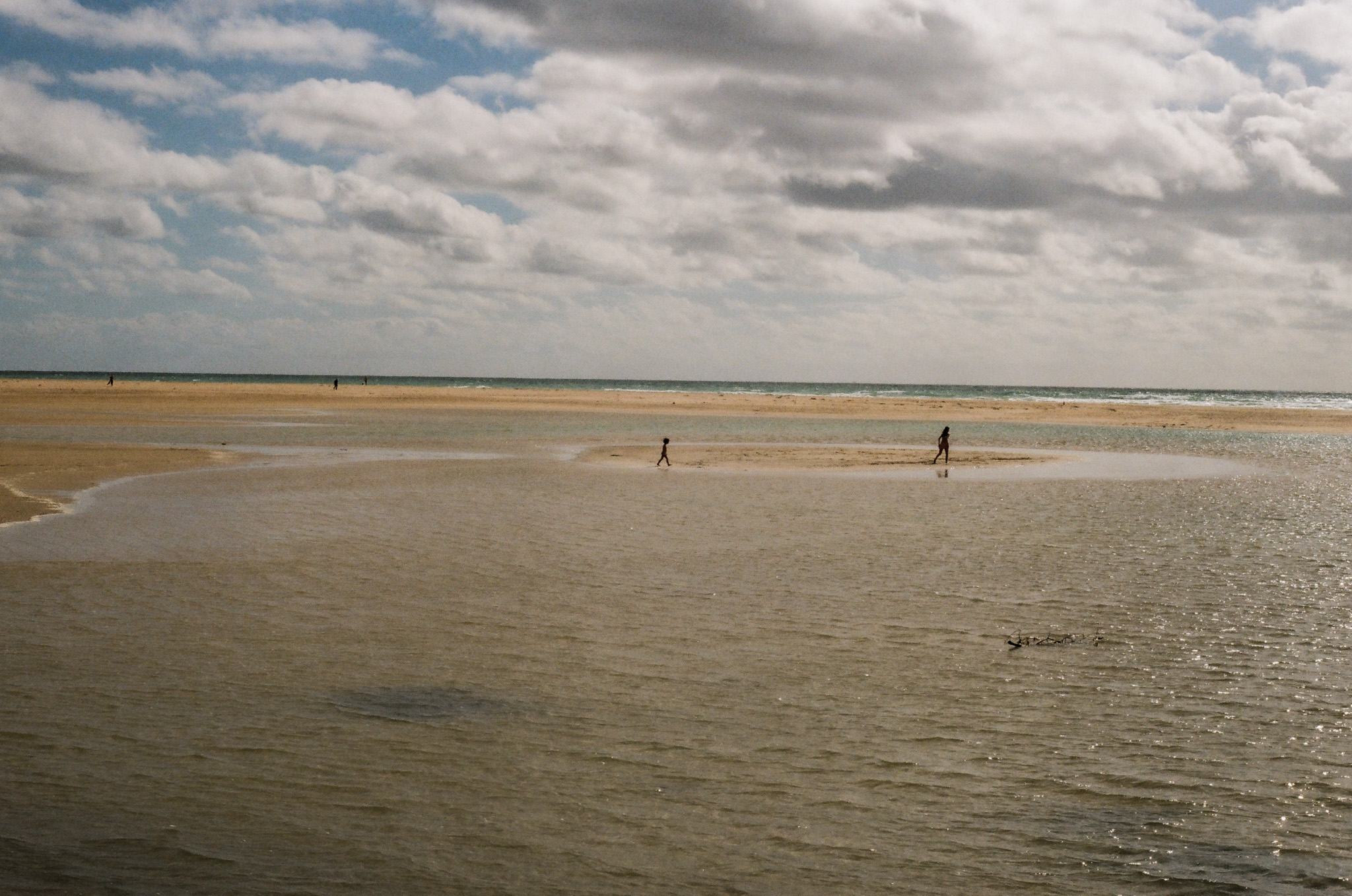



ART 141 Final Project
ART 141 Final Project
Much of my work and techniques have attempted to draw attention to the non-perceptual mediations that ineffably construct our lives. I took a trip to Kenya in January of 2026, and the typical mediation I try to represent in my work seemed more prominent than the obvious perceptual observations. Seeing with my own eyes how the food chain functions among animals is something I don't think anyone can fully understand just by looking it up. When I watched how the animals move through life, their family dynamics, relationships, life and death, how they interact and coexist, the ways they communicate, there was something so unmediated about it, and that is what I wanted to make visible. I wanted to show the simplicity of the ways these animals live, but also the depth and complexity of life that we, as people, especially in Western societies, are oblivious to.
In ninth grade, I began creating darkroom works that manipulate multiple 35mm negatives using techniques such as layering, using multiple enlargers, superimposing one image onto another, dodging and burning, and even inverting an image or video on my phone and placing it into the enlarger as both the negative and the light source. When my photography teacher introduced me to Uelsmann, I began studying his methods and realized how much they aligned with the theme in most of my work: that our entire lived experience is mediated by factors we aren't aware of. For this project, I tried to digitally mirror the hands-on processes I usually use.